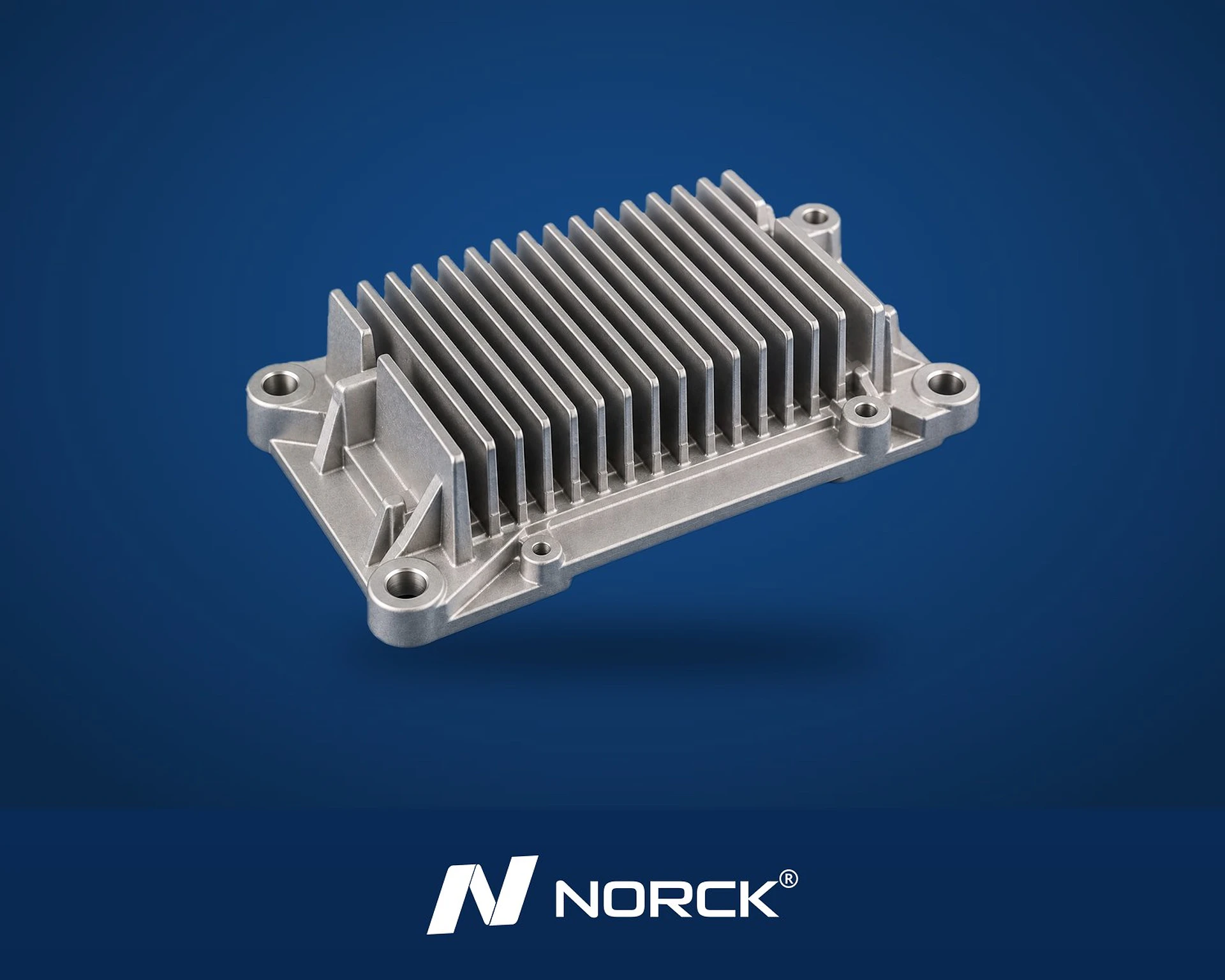
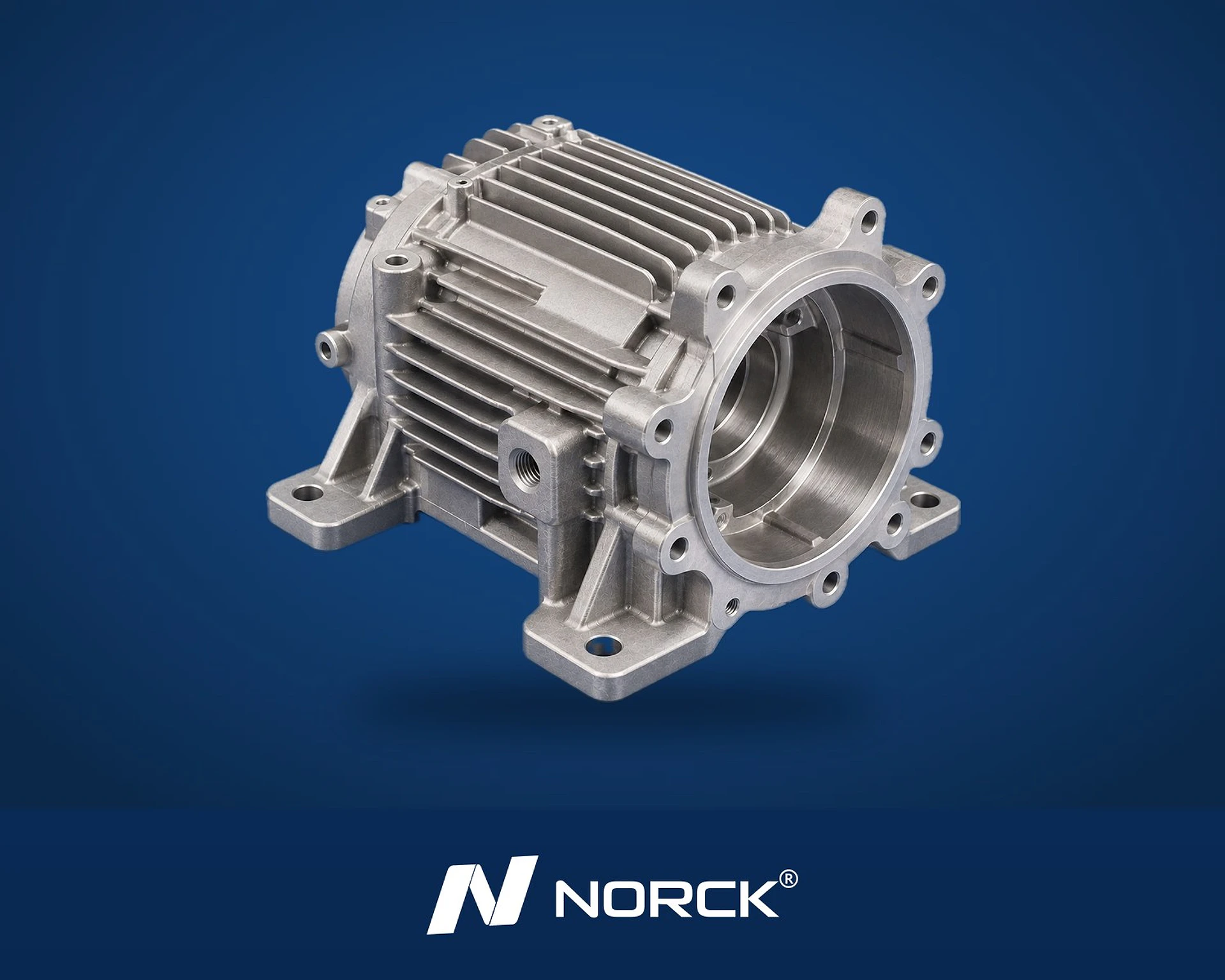
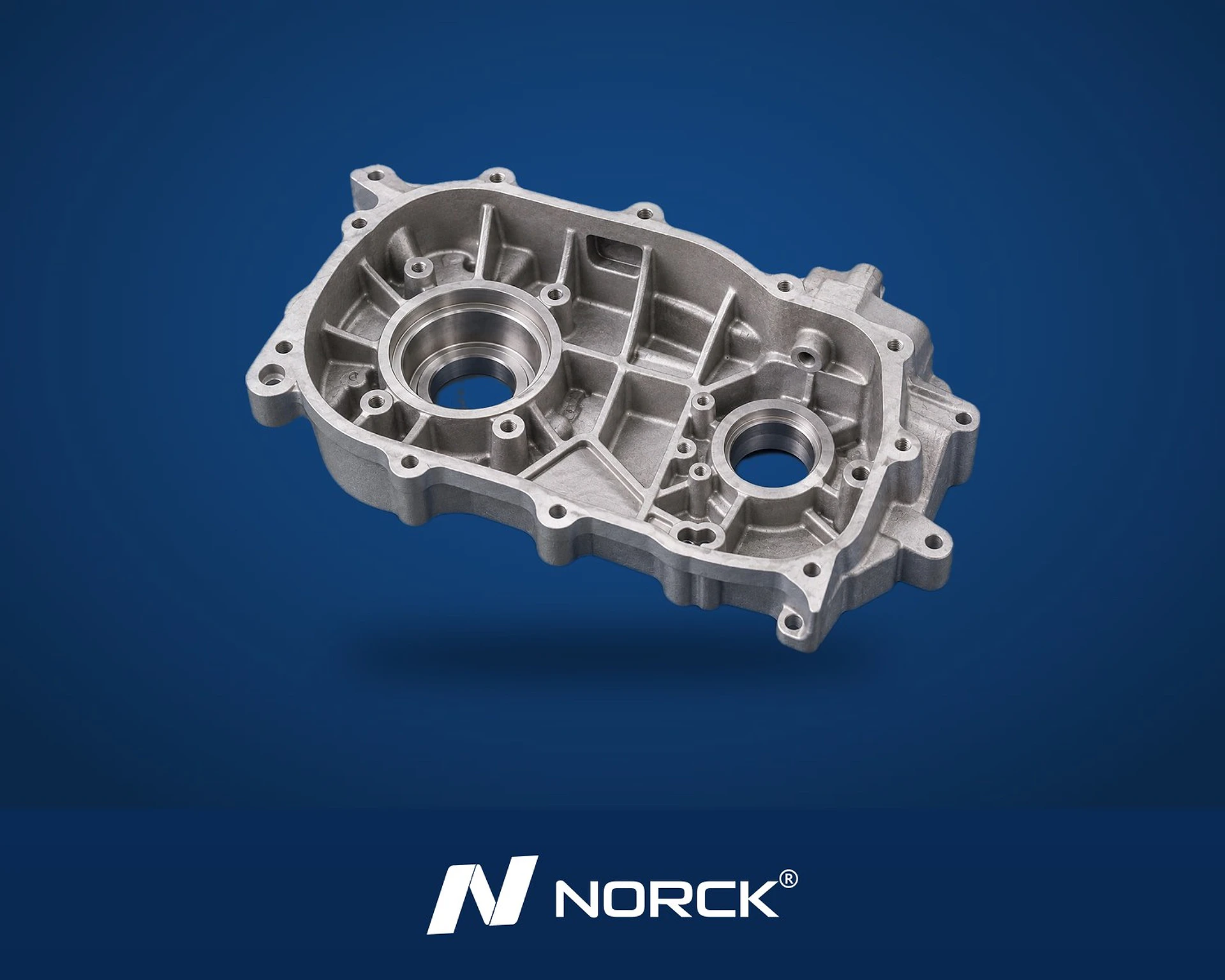
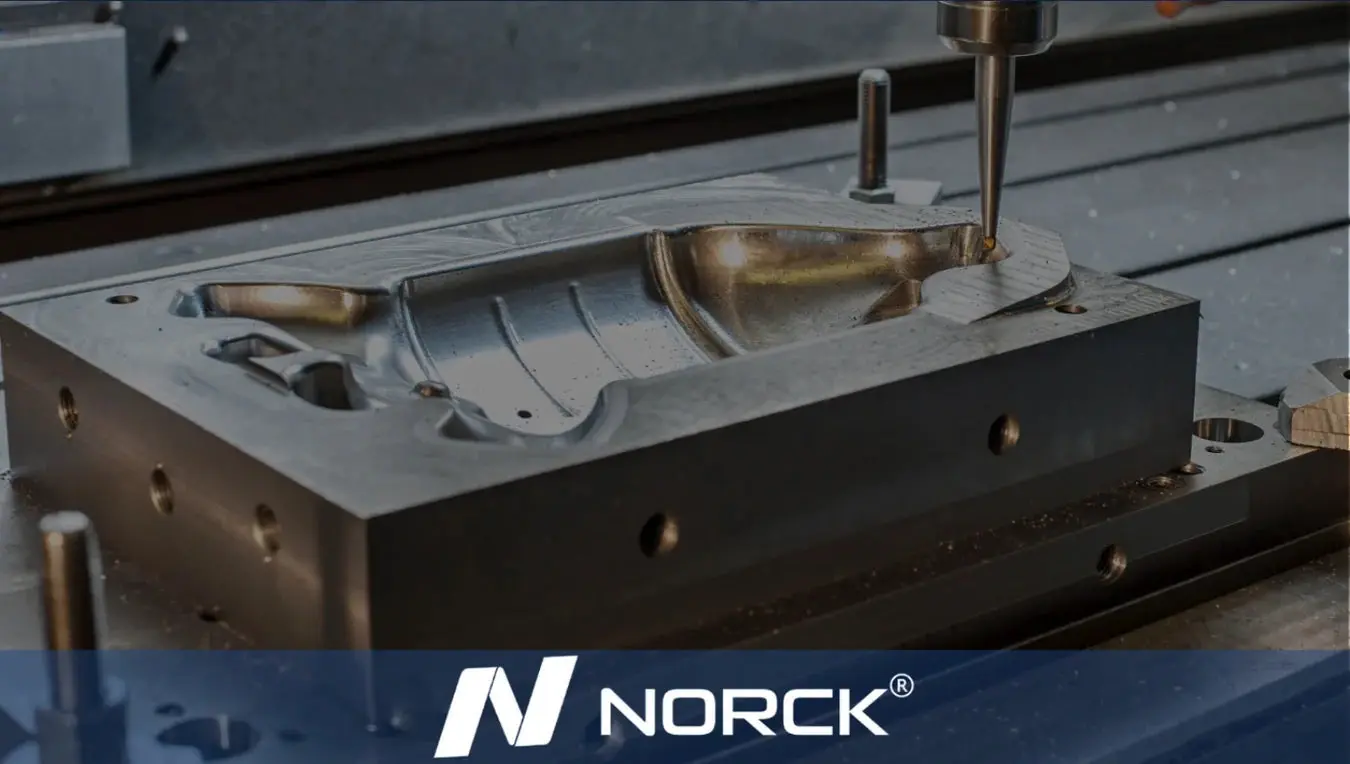
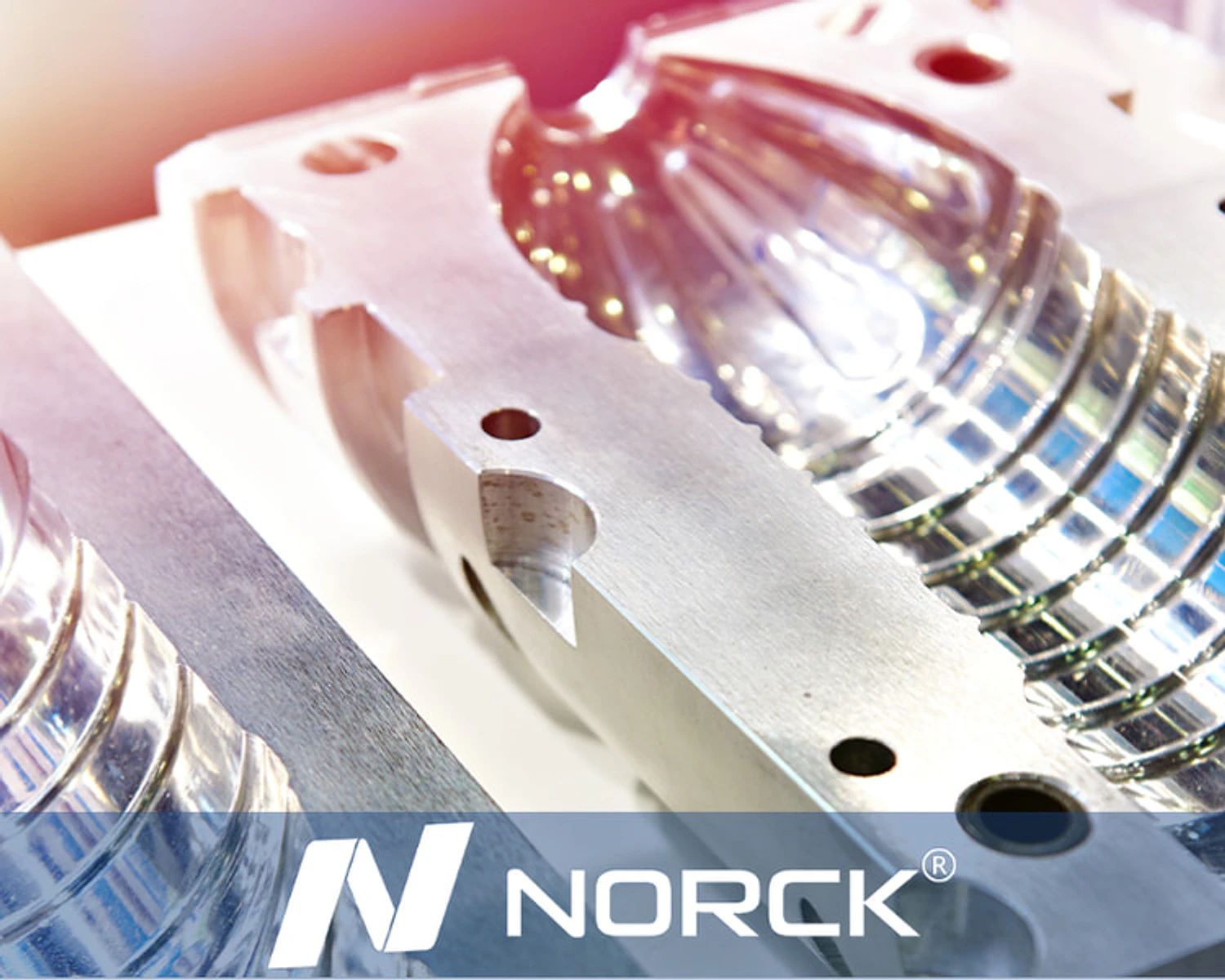
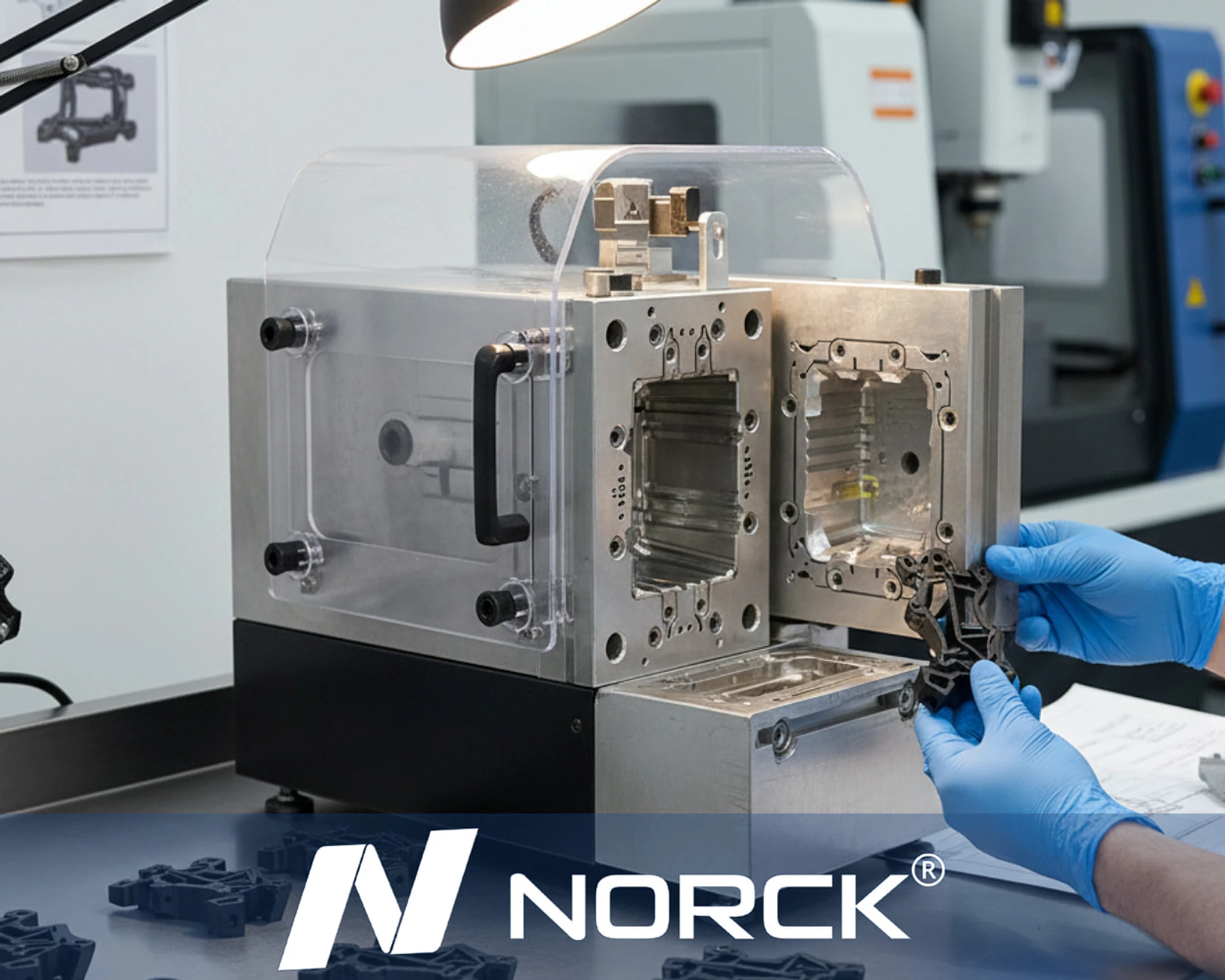
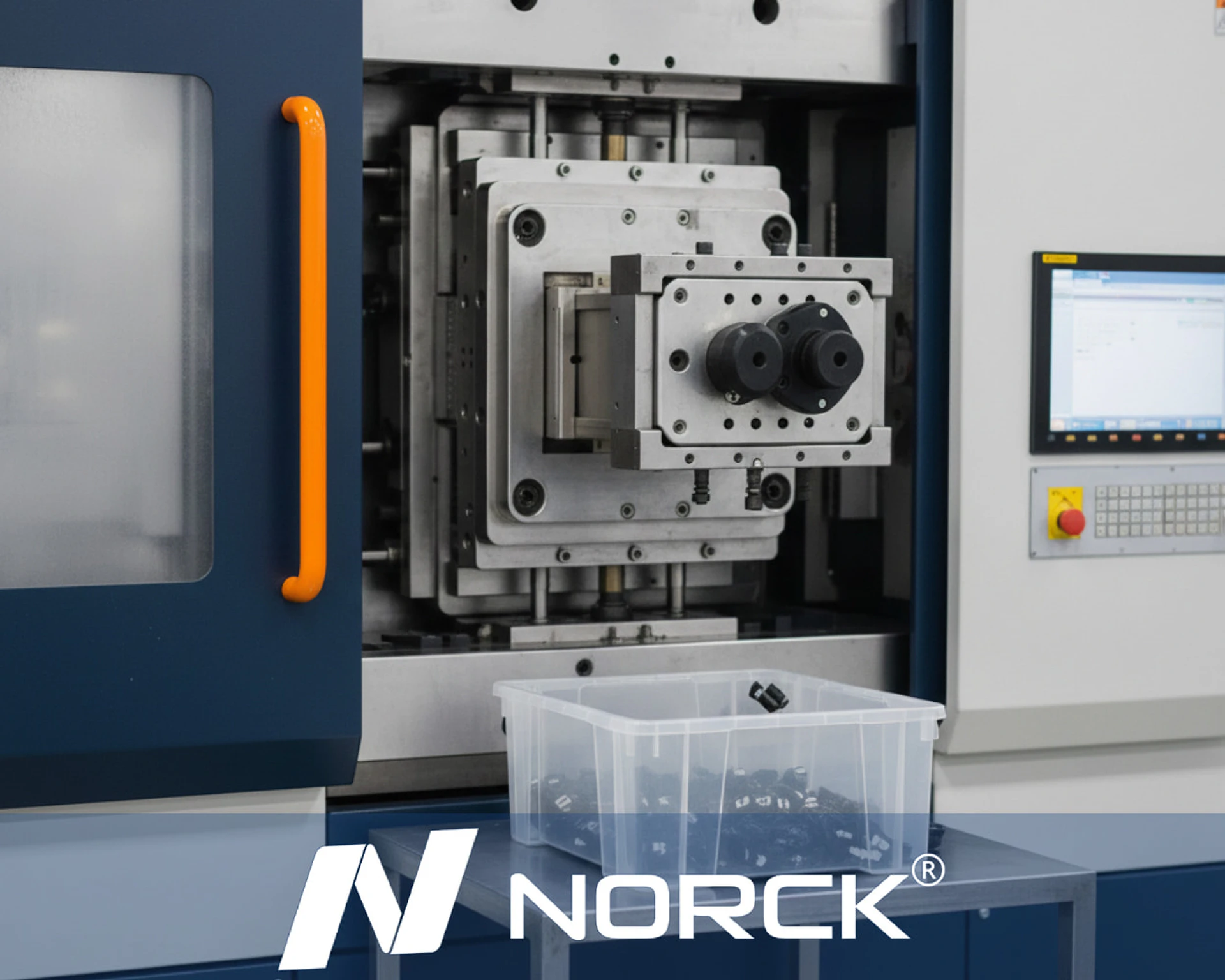
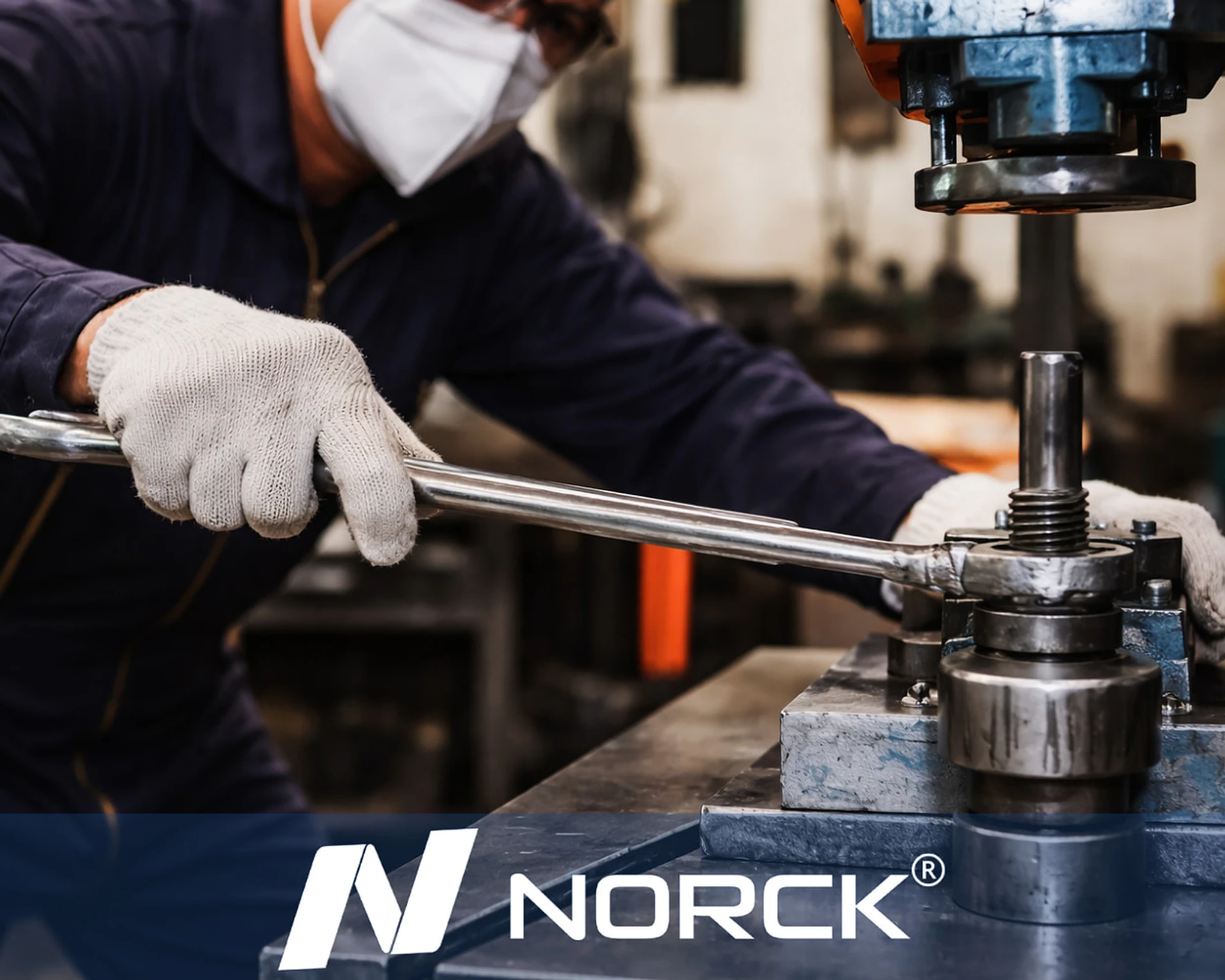
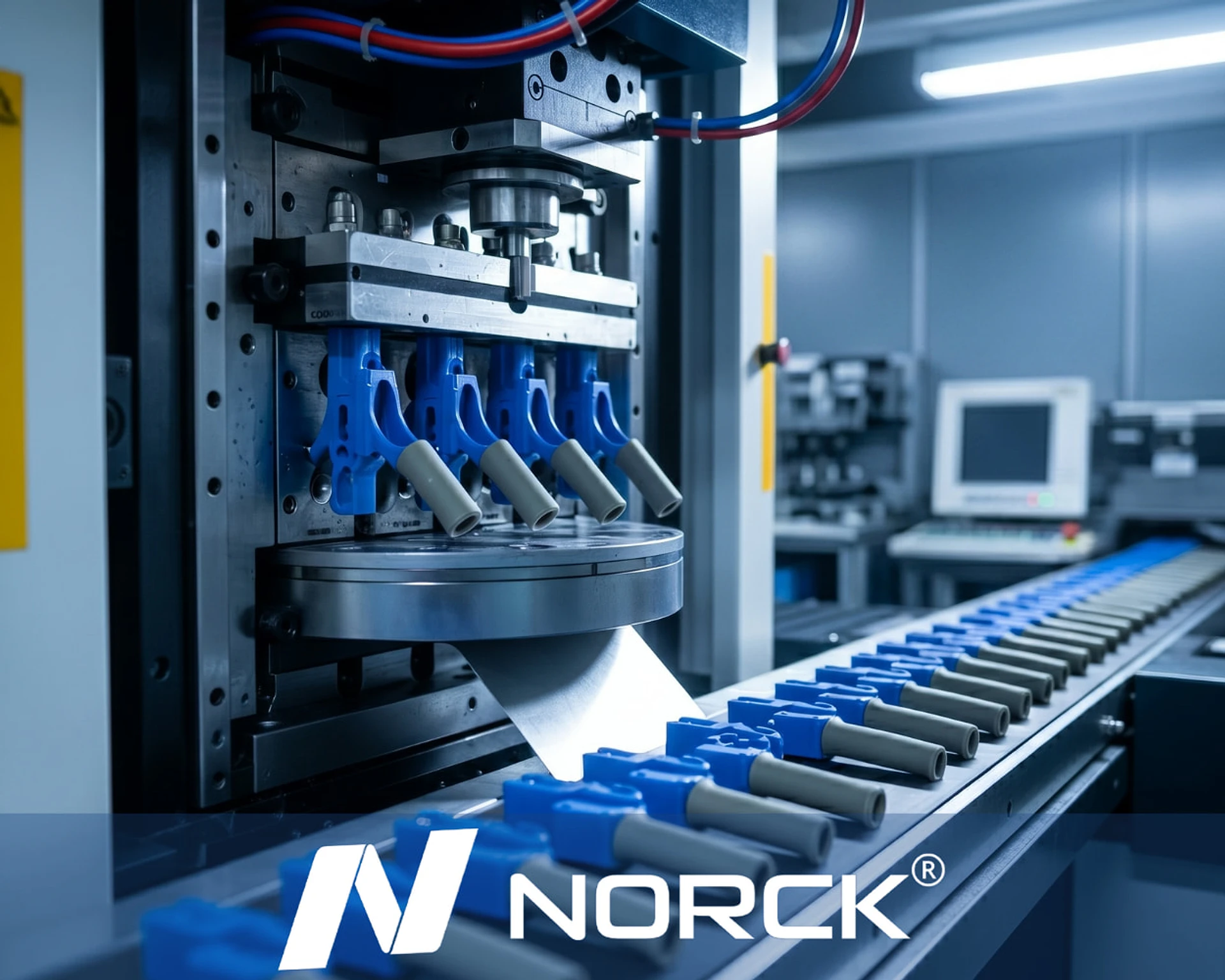
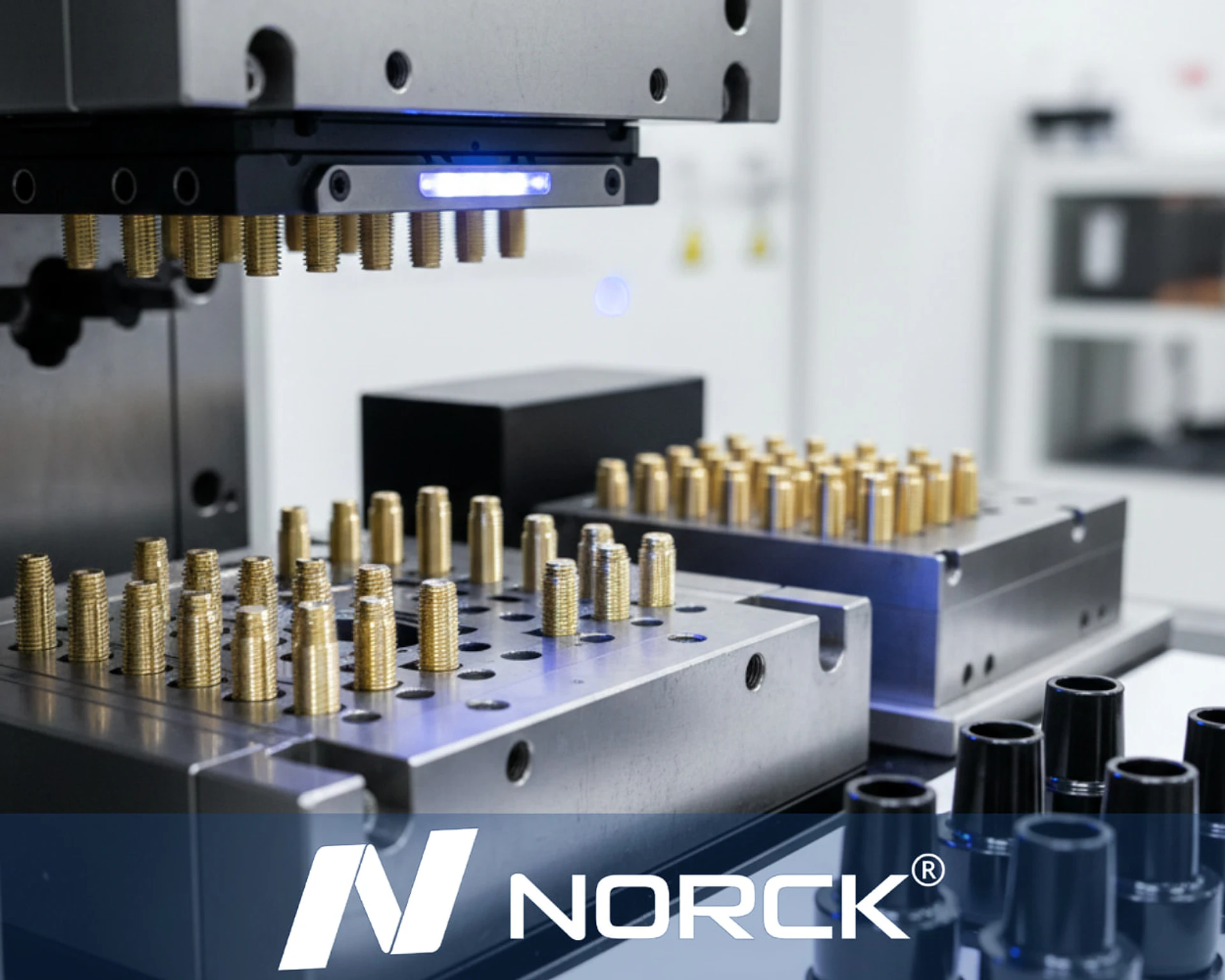
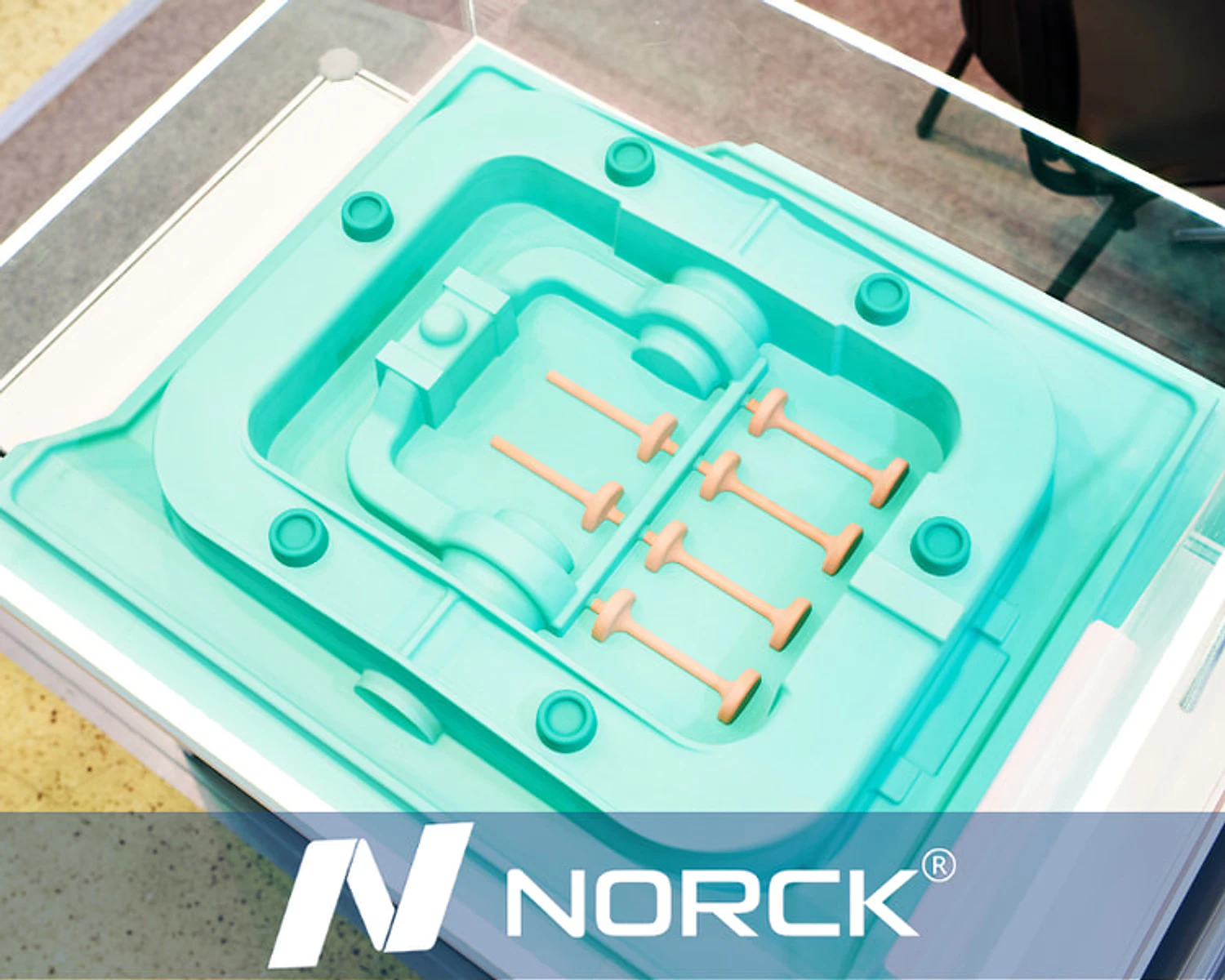
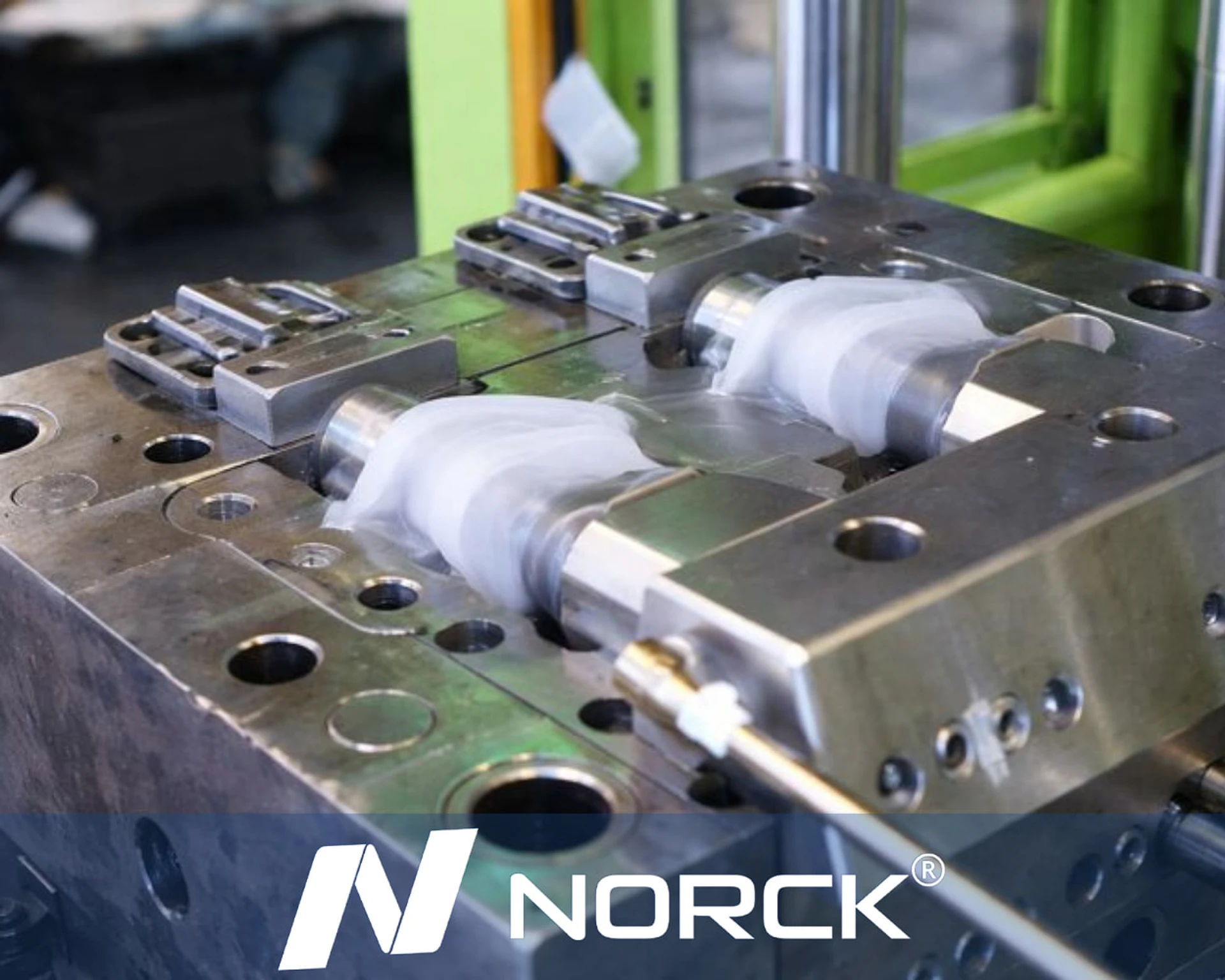
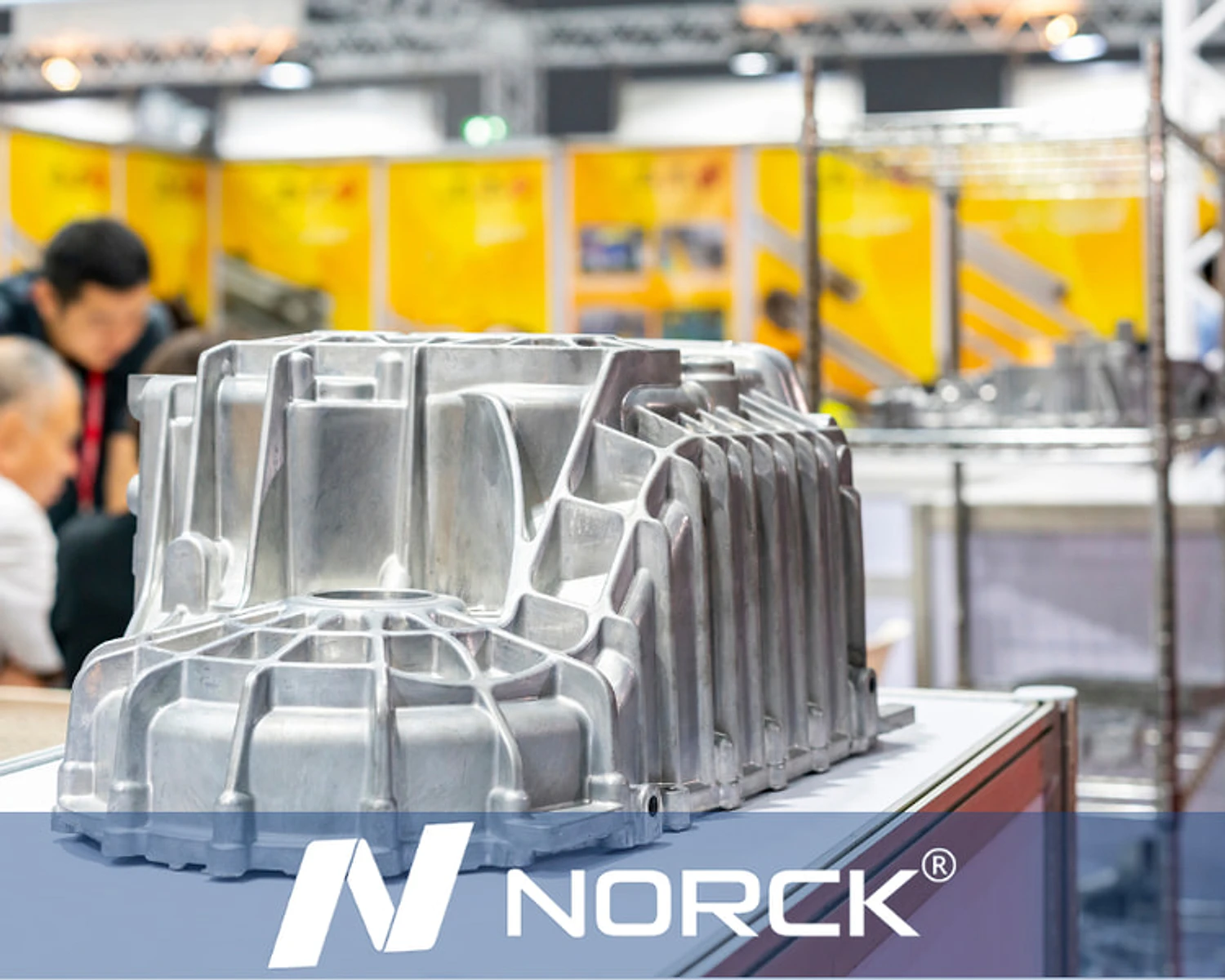
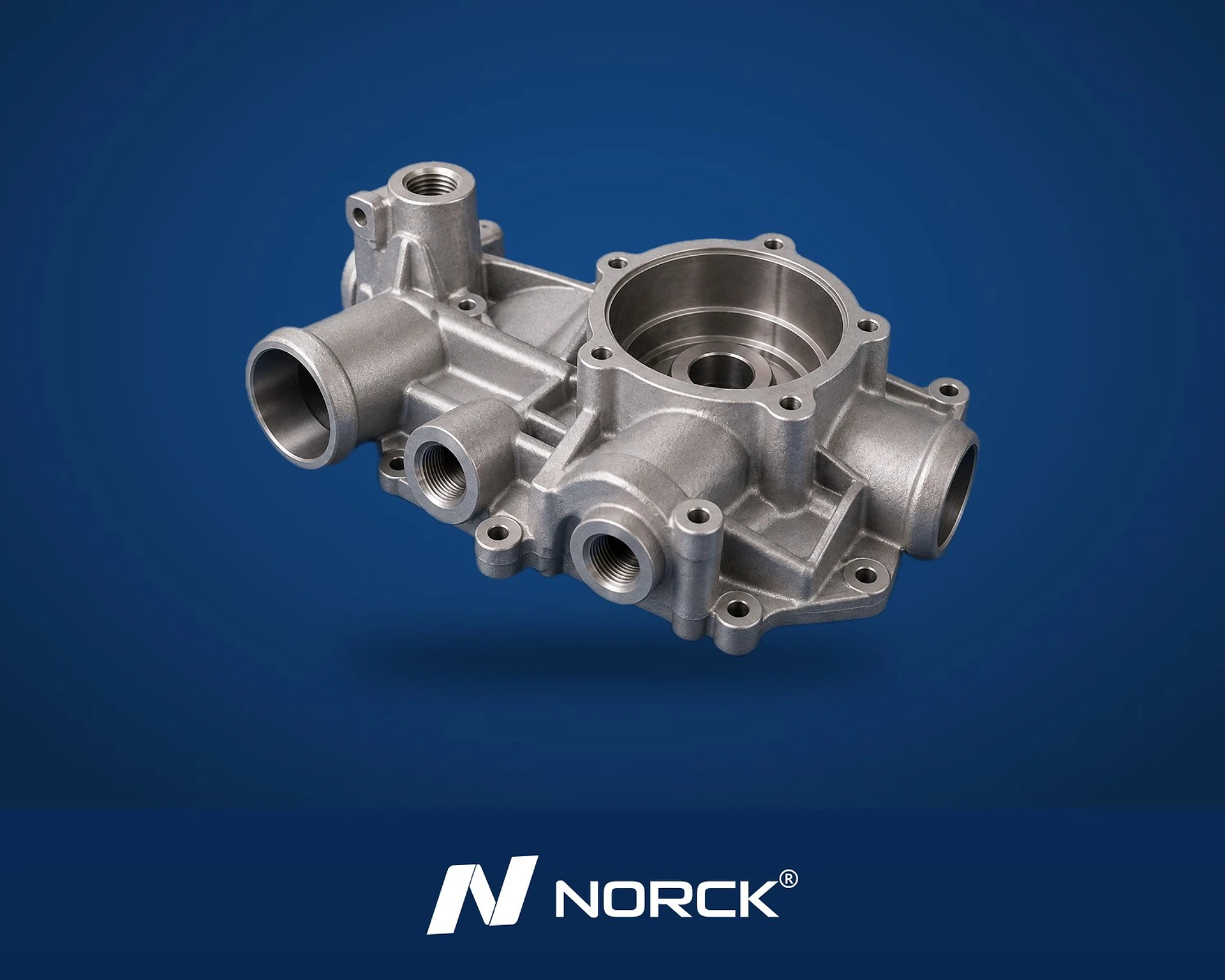
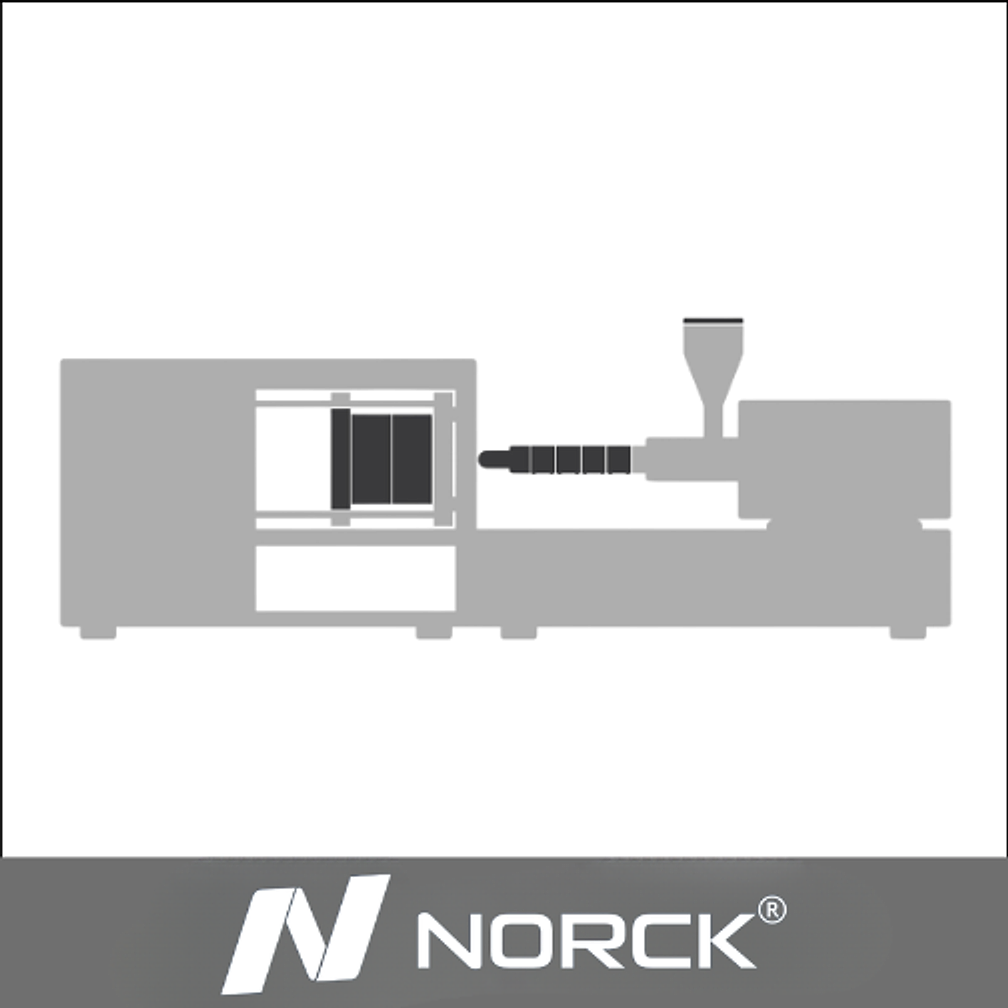
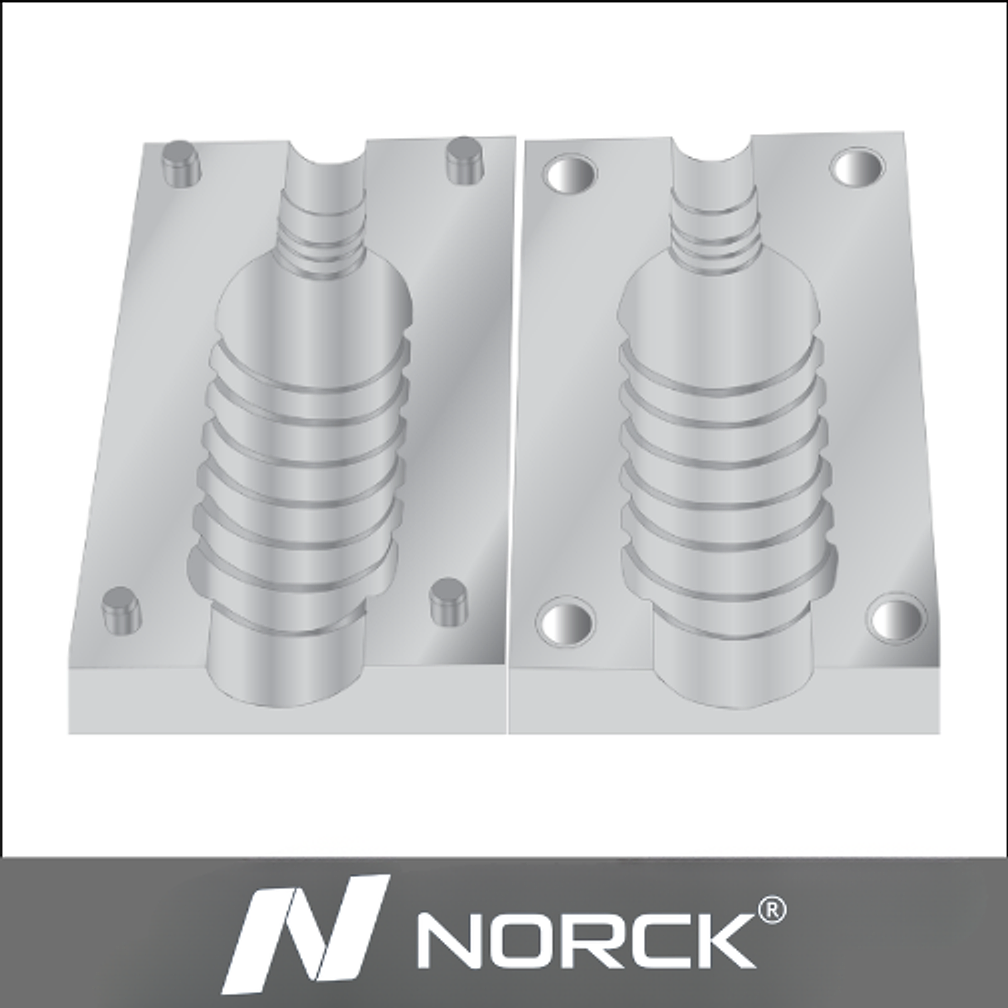
It is a metal casting process in which molten metal is fed into a mold cavity under high pressure. Mold is made from hardened steel and contains the shape of the part to be molded. The die-casting process is used for high and medium-volume production due to the high cost of mold fabrication.
Molded parts are made from non-ferrous metals such as zinc, copper, aluminum, magnesium, and tin-based alloys.
Trusted by Engineers and Researchers at Fortune 500 Companies for Precision Manufacturing
Trusted manufacturing experience with leading global companies.
Lockheed Martin
Nucor Insulated Panel Group
Sumitomo Electric Interconnect Products
Saint-Gobain Performance Plastics Pampus GmbH
3M
FritoLay
Parker Hannifin Corporation
Lear Corporation
Boston Scientific
General Dynamics – OTS Canada
Land O'Lakes
ITW Food Equipment
KLA-Tencor
Fastenal
Volvo Construction Equipment
Saft Batteries
Hemlock Semiconductor
Norck: Solving Your Die Casting Challenges
Expertly manufactured die-cast parts with high accuracy, complex geometries, and superior surface finishes.
Aerospace, defense, robotics, industrial, automotive, electronics, energy, hardware, and consumer product applications that require repeatable, high-volume production of custom metal components.
A comprehensive metal casting service for high-quality, repeatable components in demanding applications.
Custom metal casting for complex geometries with excellent dimensional accuracy and consistency.
Aluminum die casting for lightweight, high-strength parts, and prototype aluminum casting solutions for rapid development and validation before full-scale production.
Our aluminum die casting services cover everything from prototype quantities to high-volume production, and our network of experienced die casting parts manufacturers keeps quality consistent from the first part to the last.
How is it fabricated?
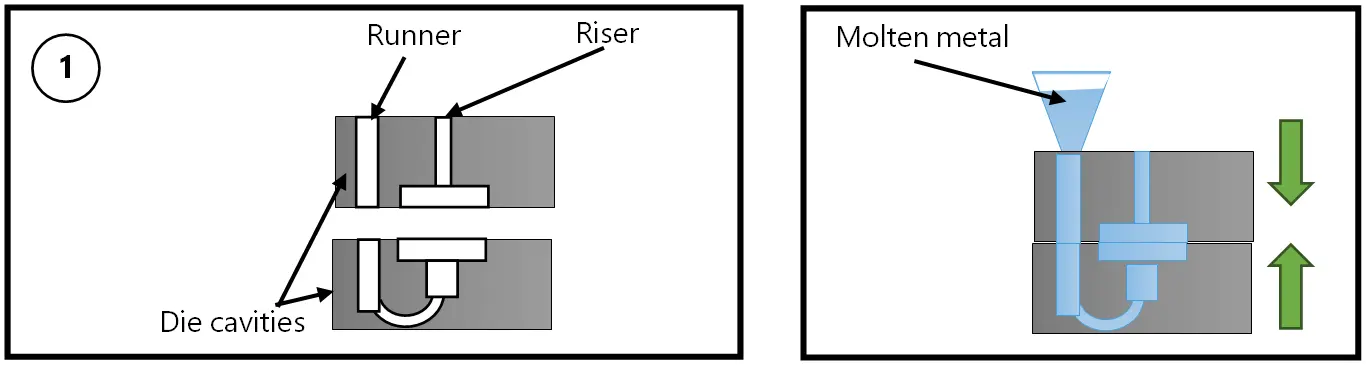
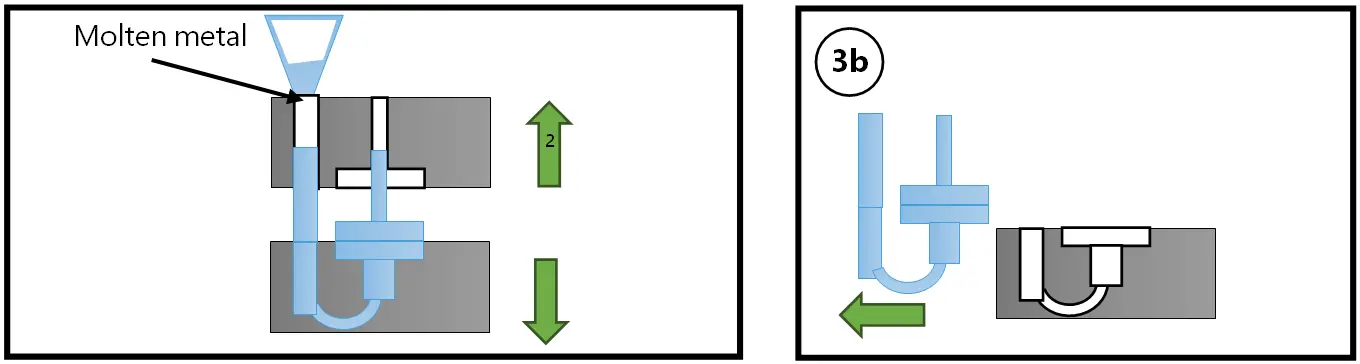
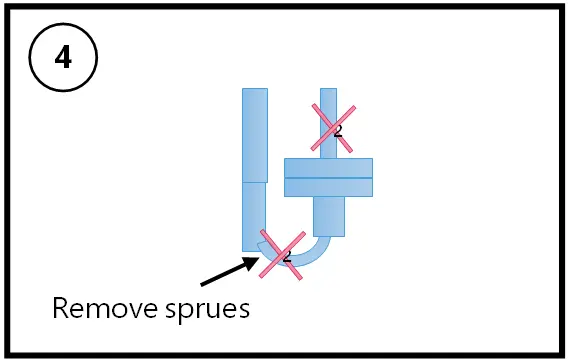
Die casting is made through four steps:1. Die preparation: Spraying the mold cavity with lubricant to ease extraction of the molded part.2. Filling: After the two cavities of the mold are closed and injected with the molten metal. The two cavities are maintained close until the metal solidifies.3. Ejection:a. The first step is to open the Dieb. Ejecting the casted part with ejector pins.4. Post-processing: The ejected part will have extra material such as gates, runners, and sprues which must be removed using a press, sawing, or grinding.
Obtaining a fully functional part might require extra processing for features that cannot be made with Die casting process, such as tapping, polishing, and plating. The designed part should follow Die casting design guidelines.
What are the advantages of Die casting?
Die casting offers many advantages:• Accuracy:Die casting offers tight tolerances, around ±0.05mm. Post-machining might be required for functional surfaces.• Complex shapes:Die casting provides complex shapes within closer tolerances than many other mass production processes.• Rapid fabrication process: The fabrication process time is cut short due to the simplicity of the process.• Lower production costs:The production cost is reduced since post-machining operations are reduced or eliminated.
Precision Die Casting Solutions by Norck
Capabilities
Flexible solutions for different metals and volumes
Guidance on selecting alloys for strength, weight, and performance
Long-life tooling optimized for quality and efficiency
Machining, plating, painting, and assembly
Why Norck?
Complex geometries and tight tolerances made simple
Fast, cost-effective production for high-volume parts
Proven performance in critical, high-demand industries
Full-service partner from tooling to finished components
Norck: Your Data-Driven Partner for On-Demand Manufacturing Excellence
Norck is a technology-powered manufacturing leader specializing in CNC machining, 3D printing, sheet metal fabrication, and injection molding. Our intelligent, data-driven approach ensures exceptional quality, optimized costs, and seamless supply chain management for companies worldwide.
AI-Powered Manufacturing: Data and AI optimize our processes for superior quality, minimized costs, and supply chain visibility
Vast Production Capacity: Our extensive partner network in Europe and the US guarantees both low and high-volume production.
End-to-End Expertise: Our team of engineers, data scientists, and product developers ensure design for manufacturability and unparalleled service
Single-Source Solution: Norck streamlines your supply chain, reduces overhead, enhances purchasing power, and delivers just-in-time results.
Online Die Casting Services: Norck's online die casting services provide a fast, easy, and reliable way to bring your ideas to life with high quality, custom made parts.
Die Casting Services Near You: Your search for die casting services ends here. Norck offers tailored engineering and manufacturing support that begin with your unique project needs. Whether you're a local business or searching online, our expert team delivers top-quality, customized die casting solutions to bring your designs to life.
Experience the Norck difference. Get a quote fast for your manufacturing needs today!
Frequently Asked Questions
1. What is a metal casting service and how does die casting work?
A metal casting service uses a casting process to manufacture metal components based on customer-provided CAD files or technical drawings. Die casting services create parts by forming metal into the required shape according to project specifications. If your design is ready, you can request a quote by submitting your project details.
2. Why choose custom metal casting for manufacturing parts?
Custom metal casting allows manufacturers to produce metal components based on specific design requirements and project needs. Using customer-supplied CAD files or technical drawings, the process supports the production of custom die casting parts according to required specifications.
3. What is aluminum die casting used for?
Aluminum die casting is used to manufacture custom aluminum components based on customer designs and technical requirements. The process supports the production of metal parts using approved CAD files or technical drawings for projects requiring specific shapes and dimensions.
4. What is prototype aluminum casting and how does it support product development?
Prototype aluminum casting is used to produce aluminum prototype parts for design evaluation and product development. It allows customers to review and verify part designs using CAD files or technical drawings before moving toward production requirements.
5. How do I choose a die casting parts manufacturer for my project?
Choosing the right die casting parts manufacturer requires evaluating their ability to review CAD files, technical drawings, material requirements, and project specifications. A manufacturing partner that understands your requirements can help determine the appropriate approach for your die casting services project and provide an accurate quotation. If your design is ready, you can request a quote by submitting your project details.
Norck uses strictly necessary cookies to run this site. With your permission, we would also use Google Analytics to see how the site is used, and Google Ads to measure our advertising. We do not sell your data.
You can change your choices at any time under Privacy choices at the foot of every page, or by writing to info@norck.com. See the privacy statement for details.


 English
 Deutsch
 Español
 Français
 Italiano
 Nederlands
 Dansk
 Svenska
 Norsk
 Czech
 Polski
 Português