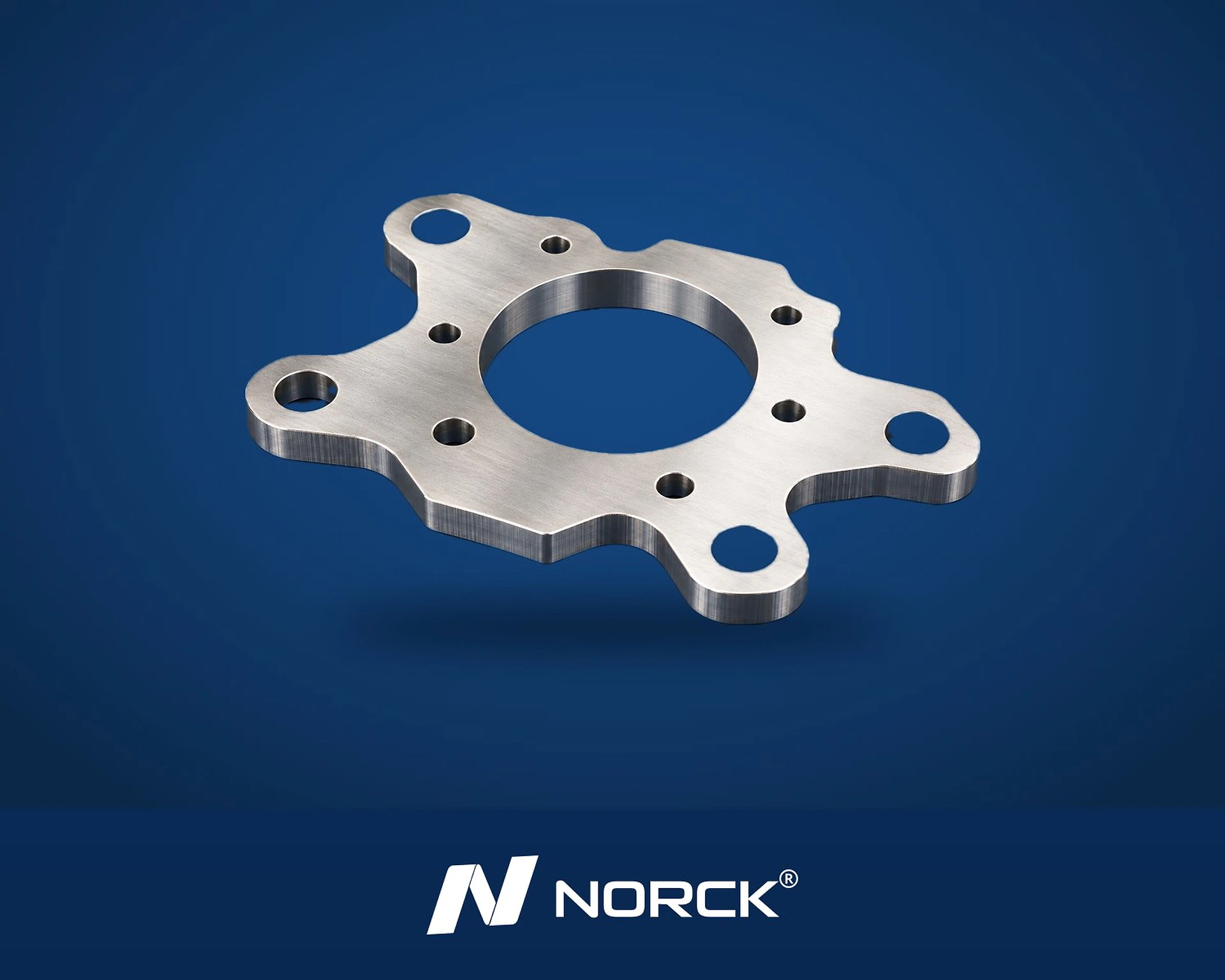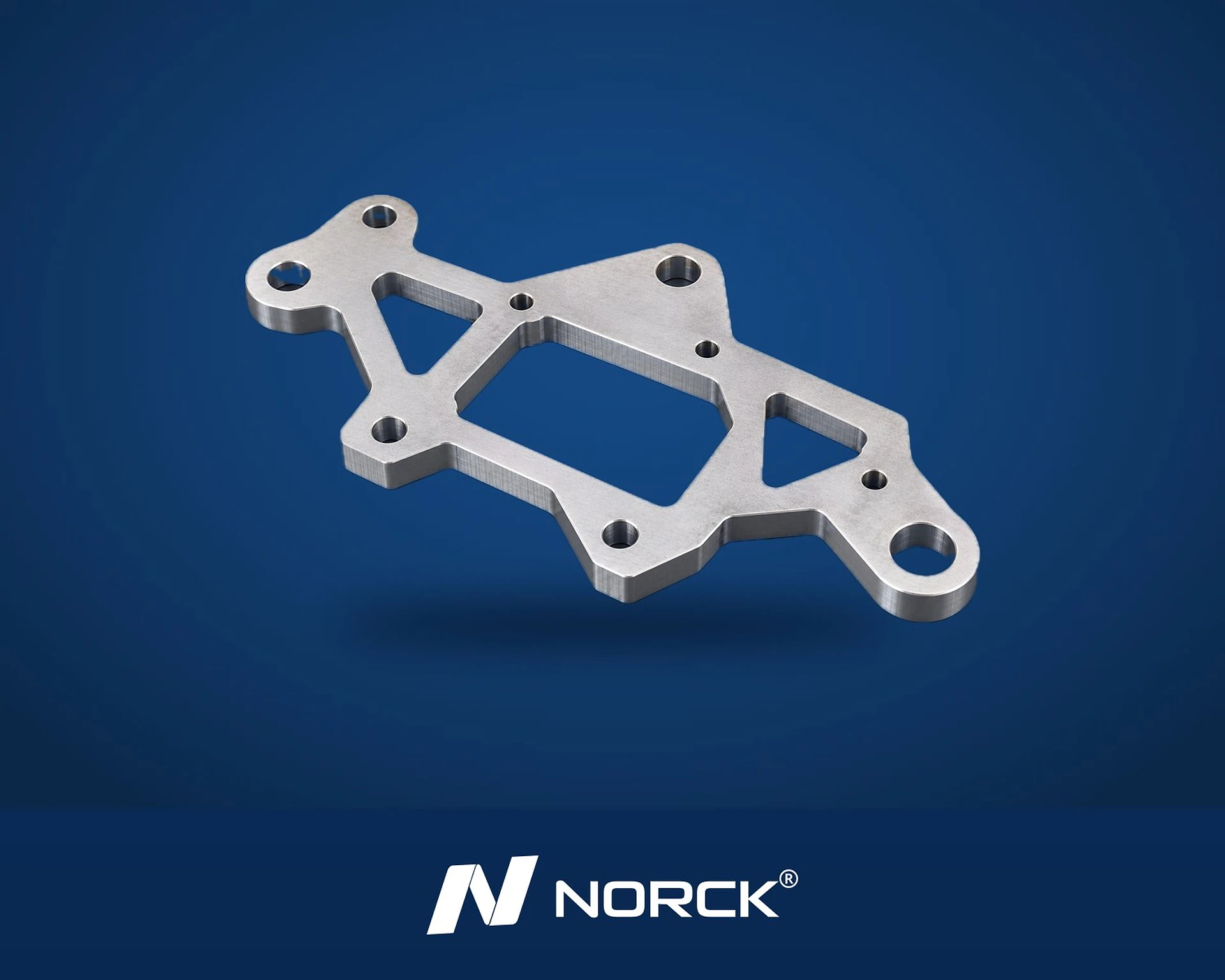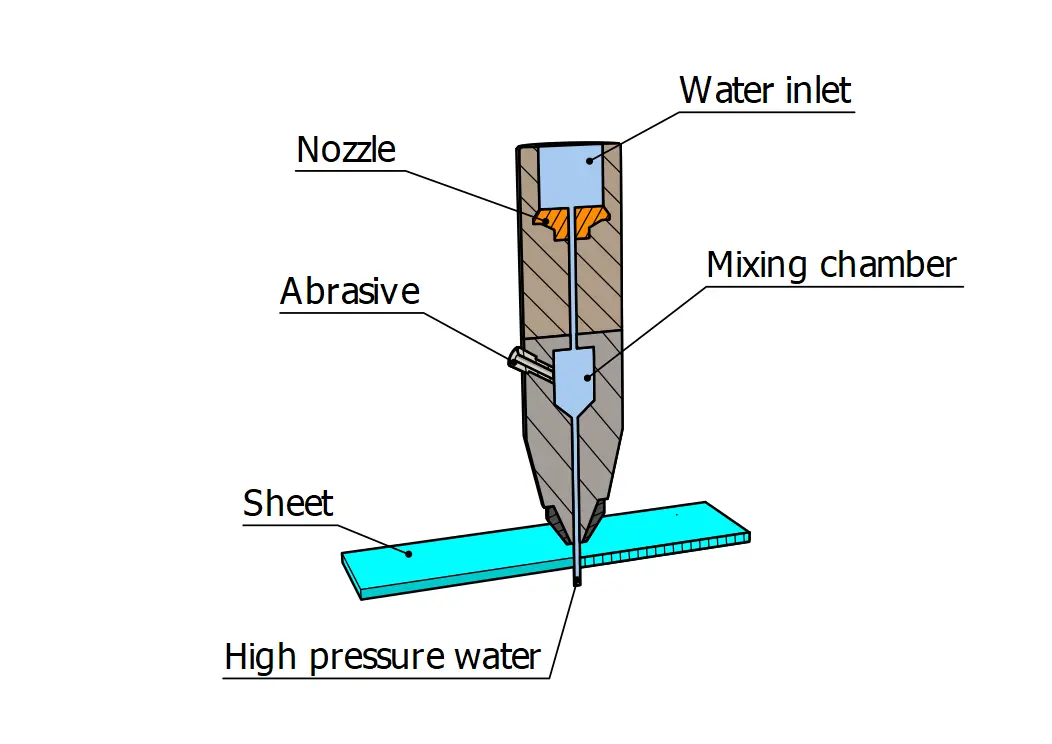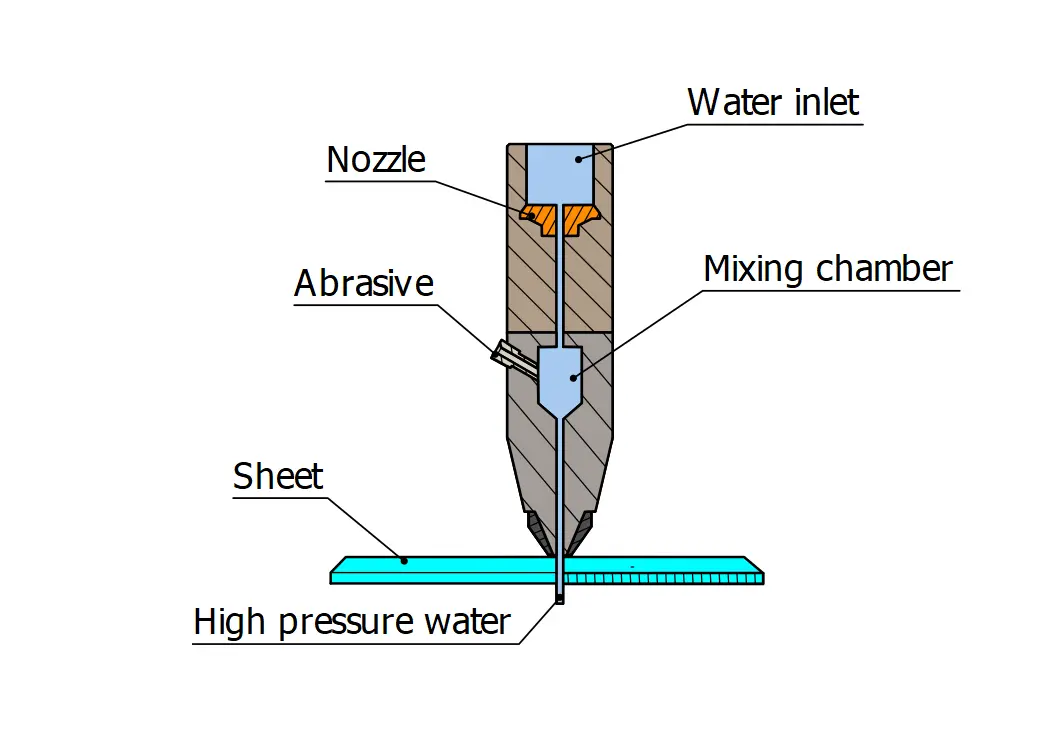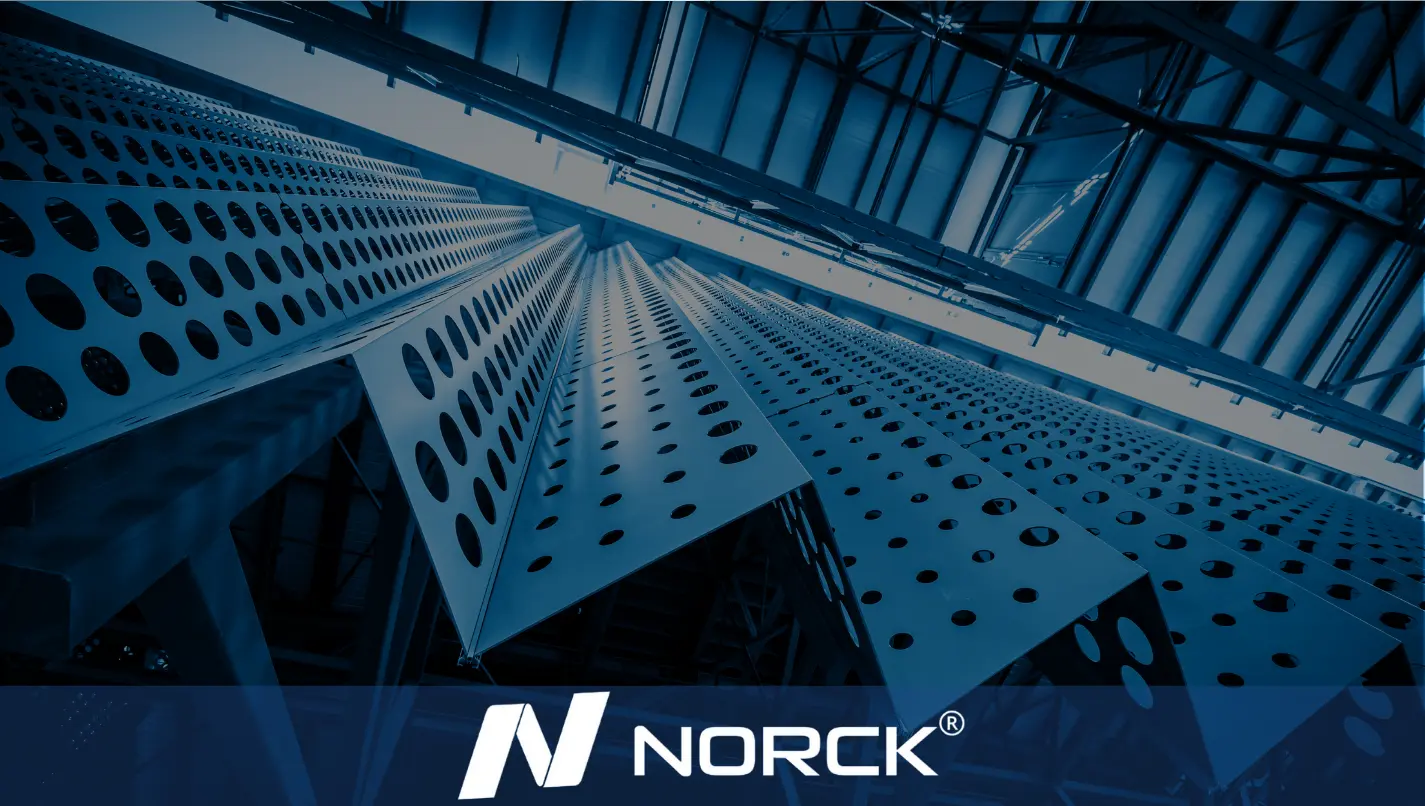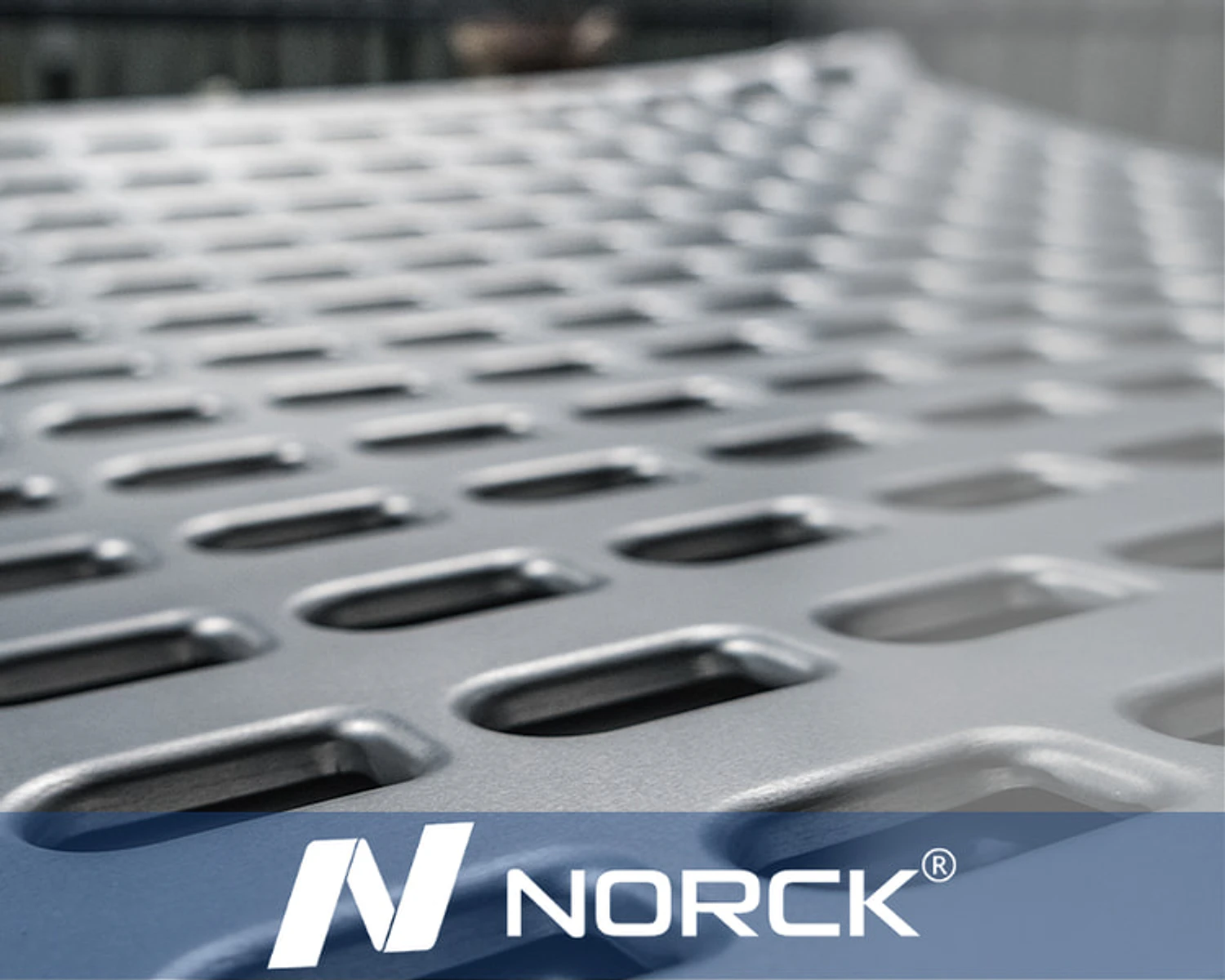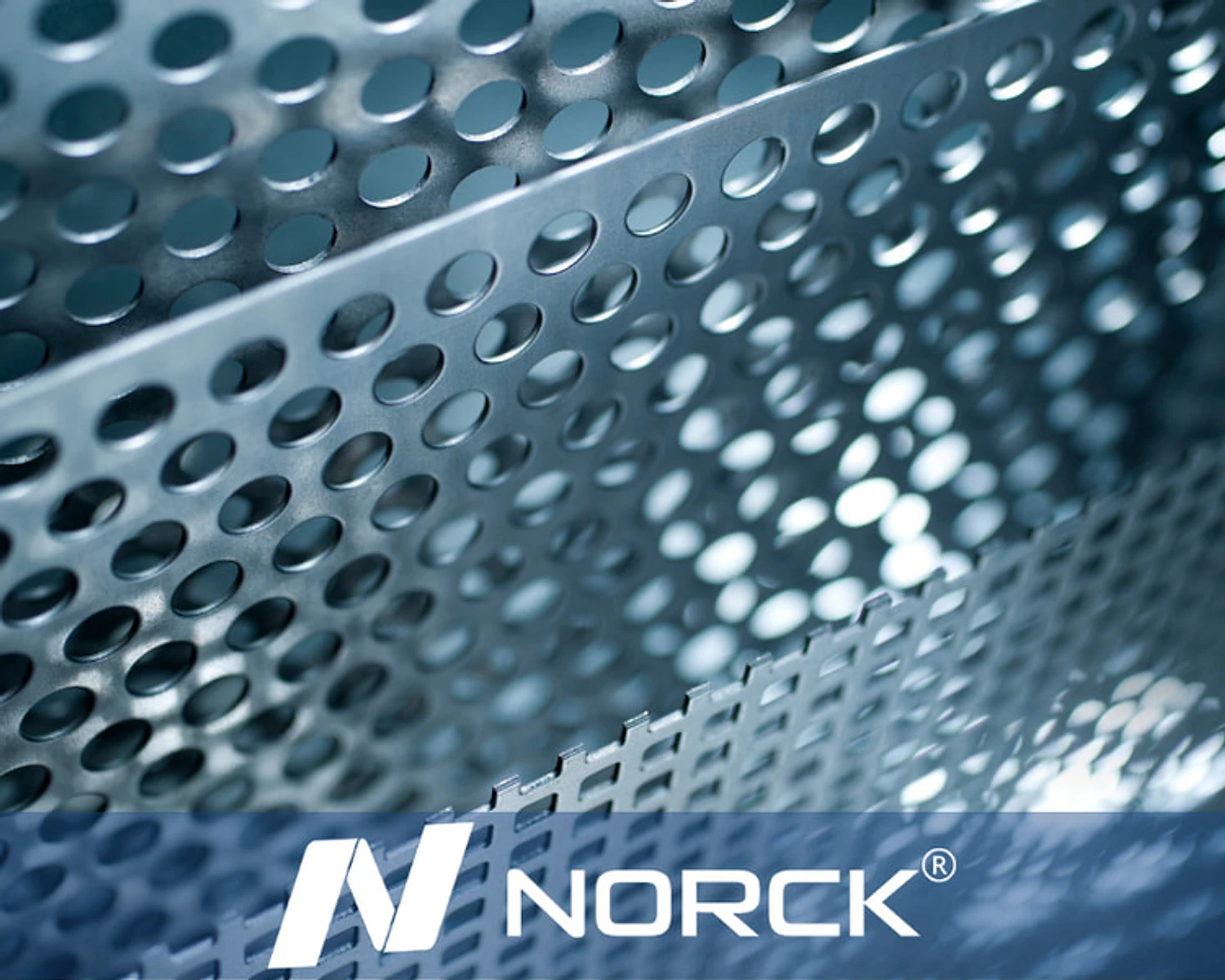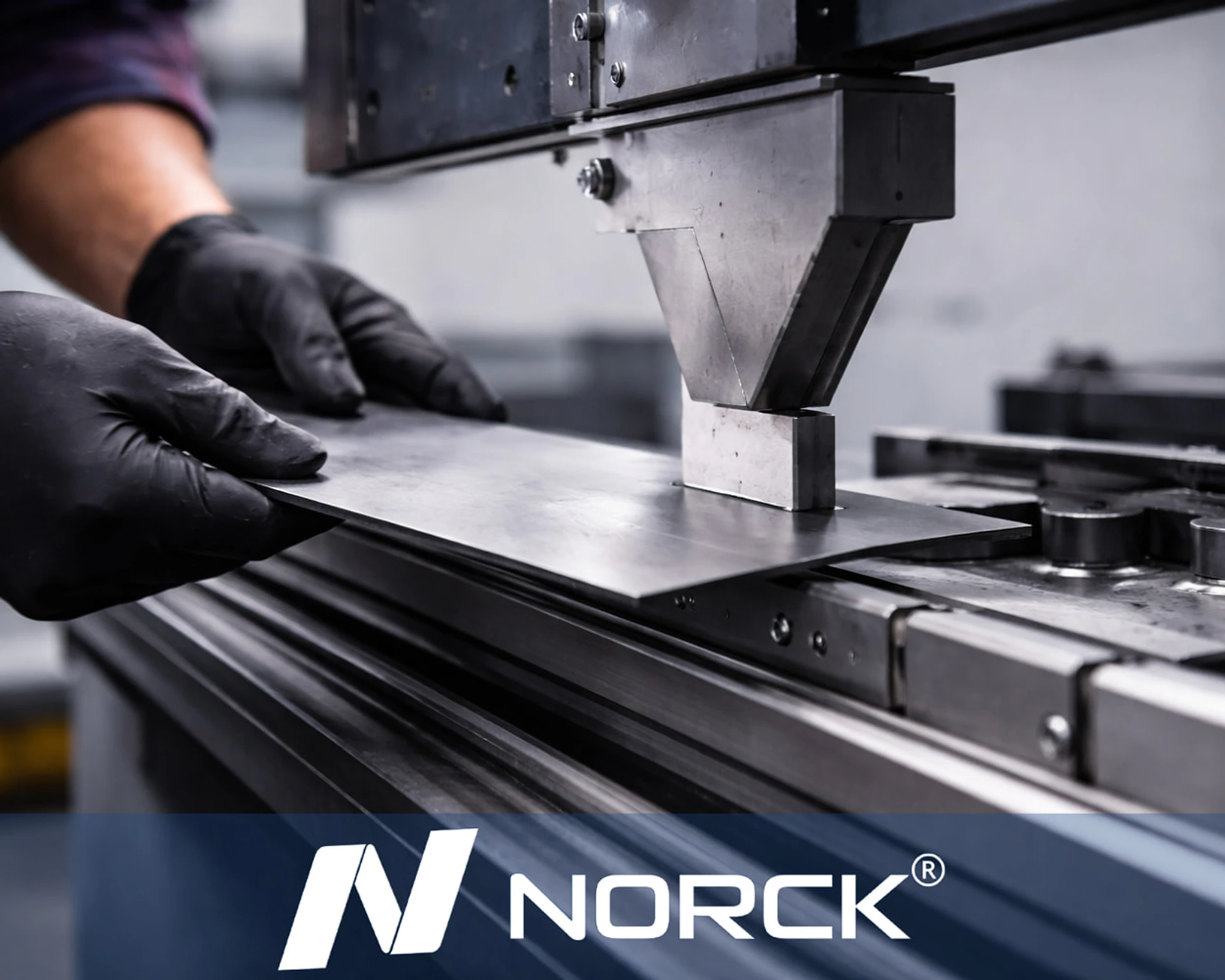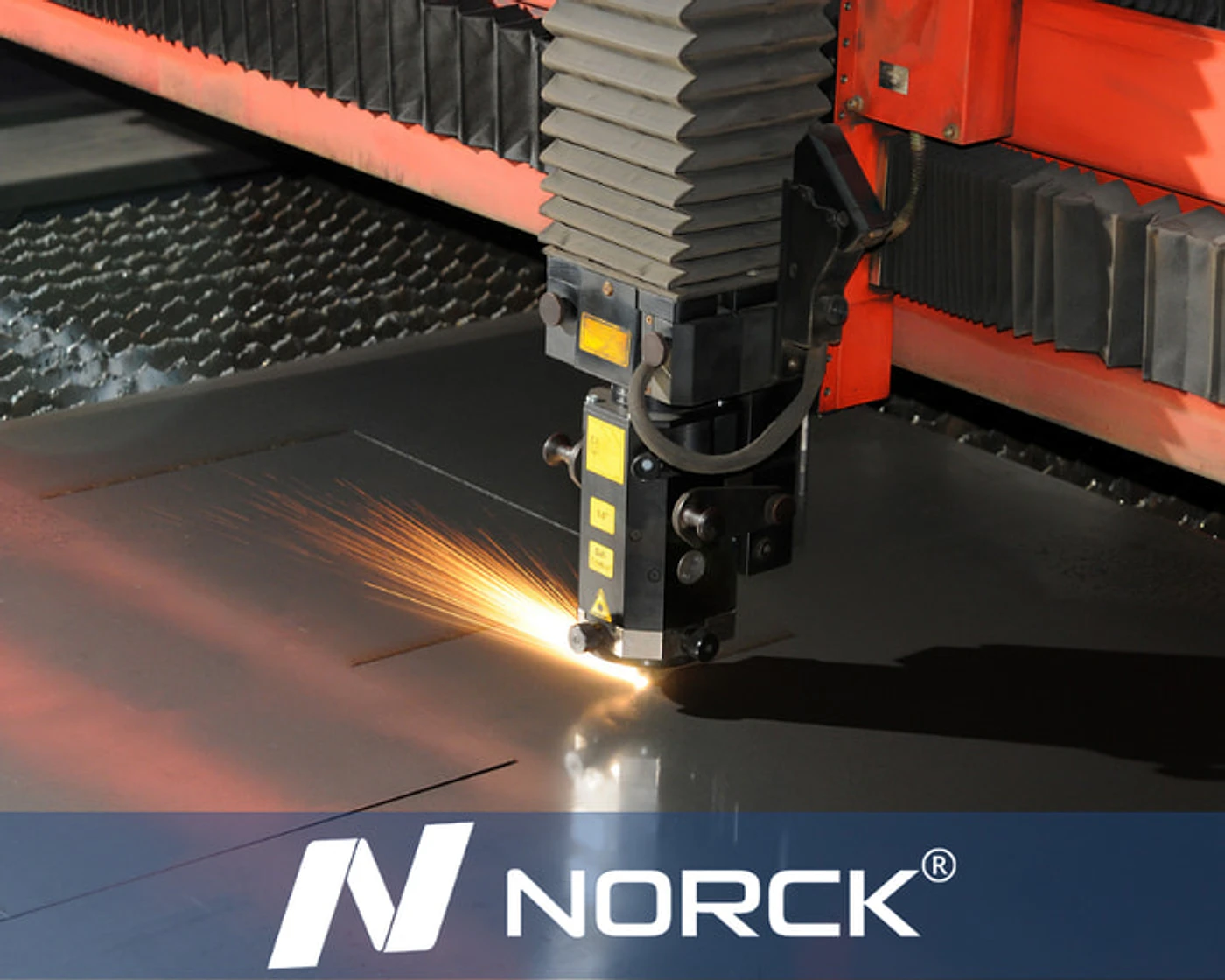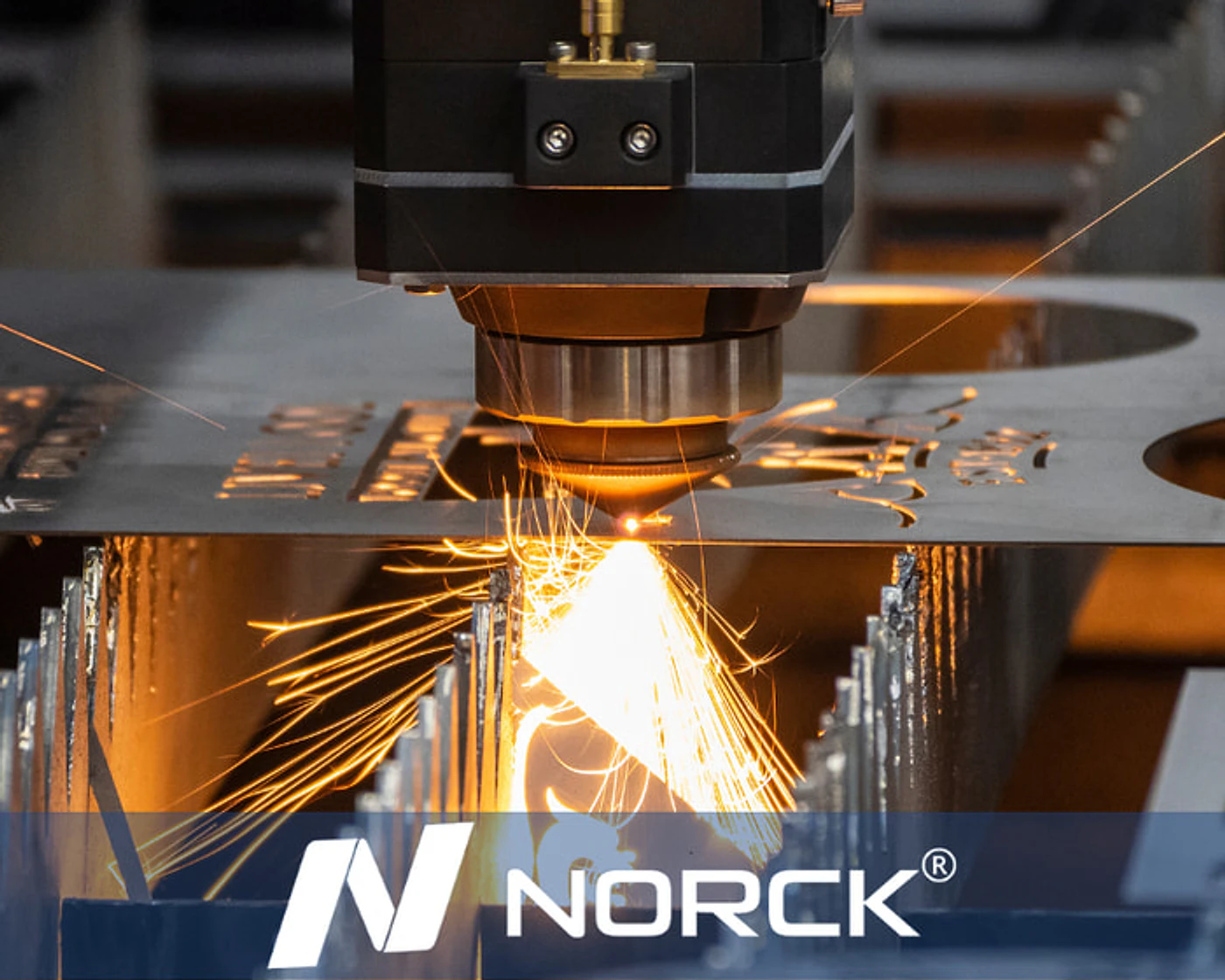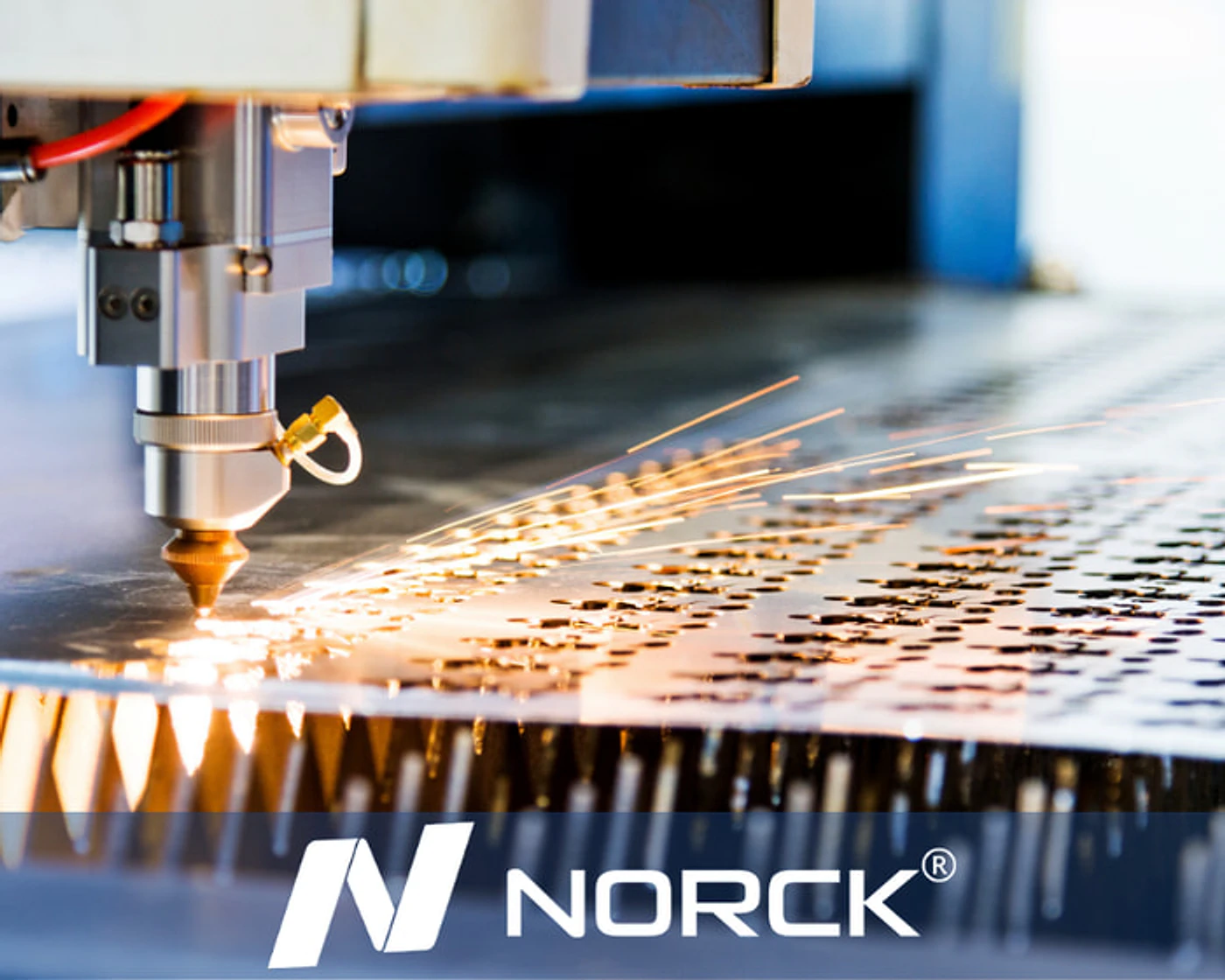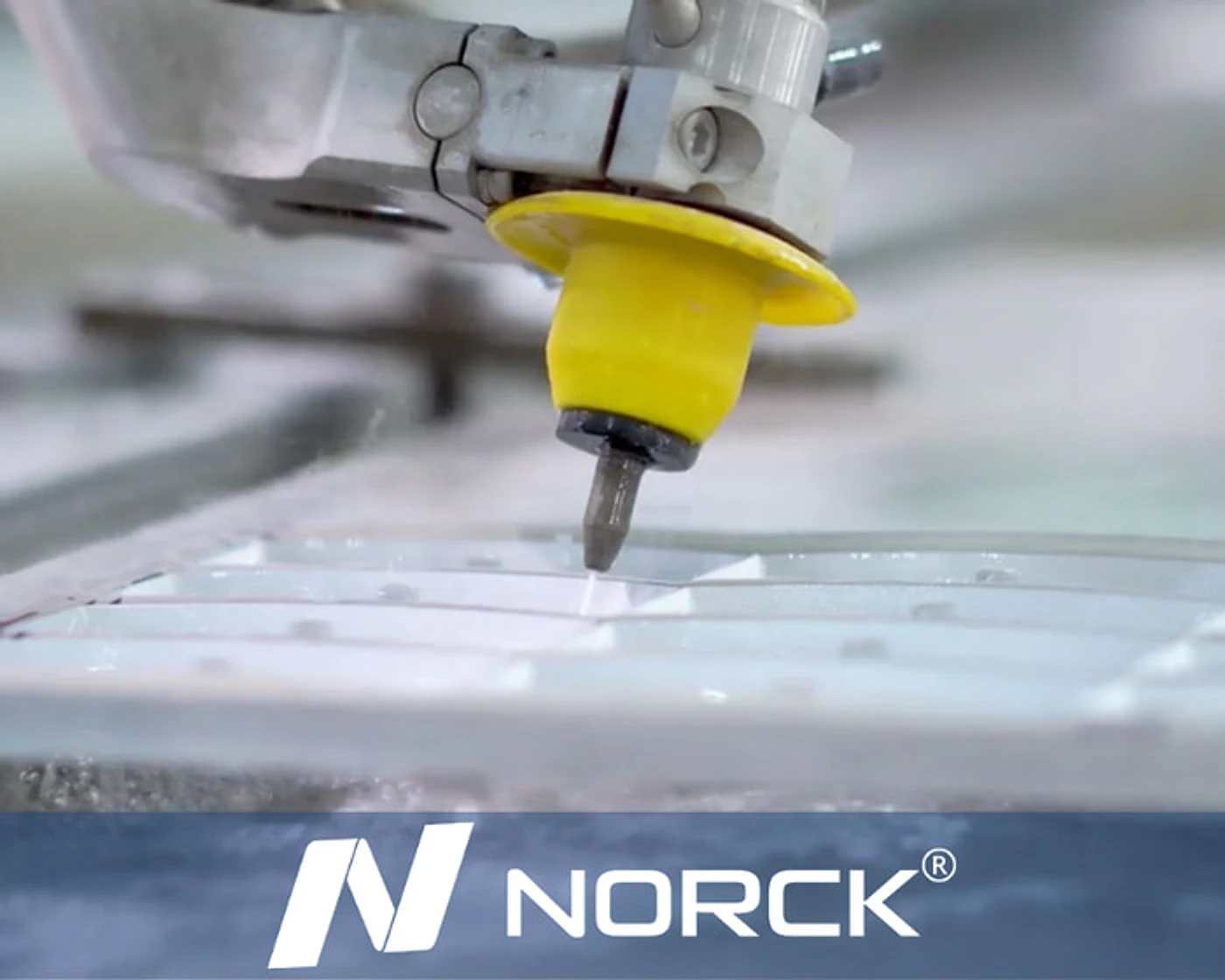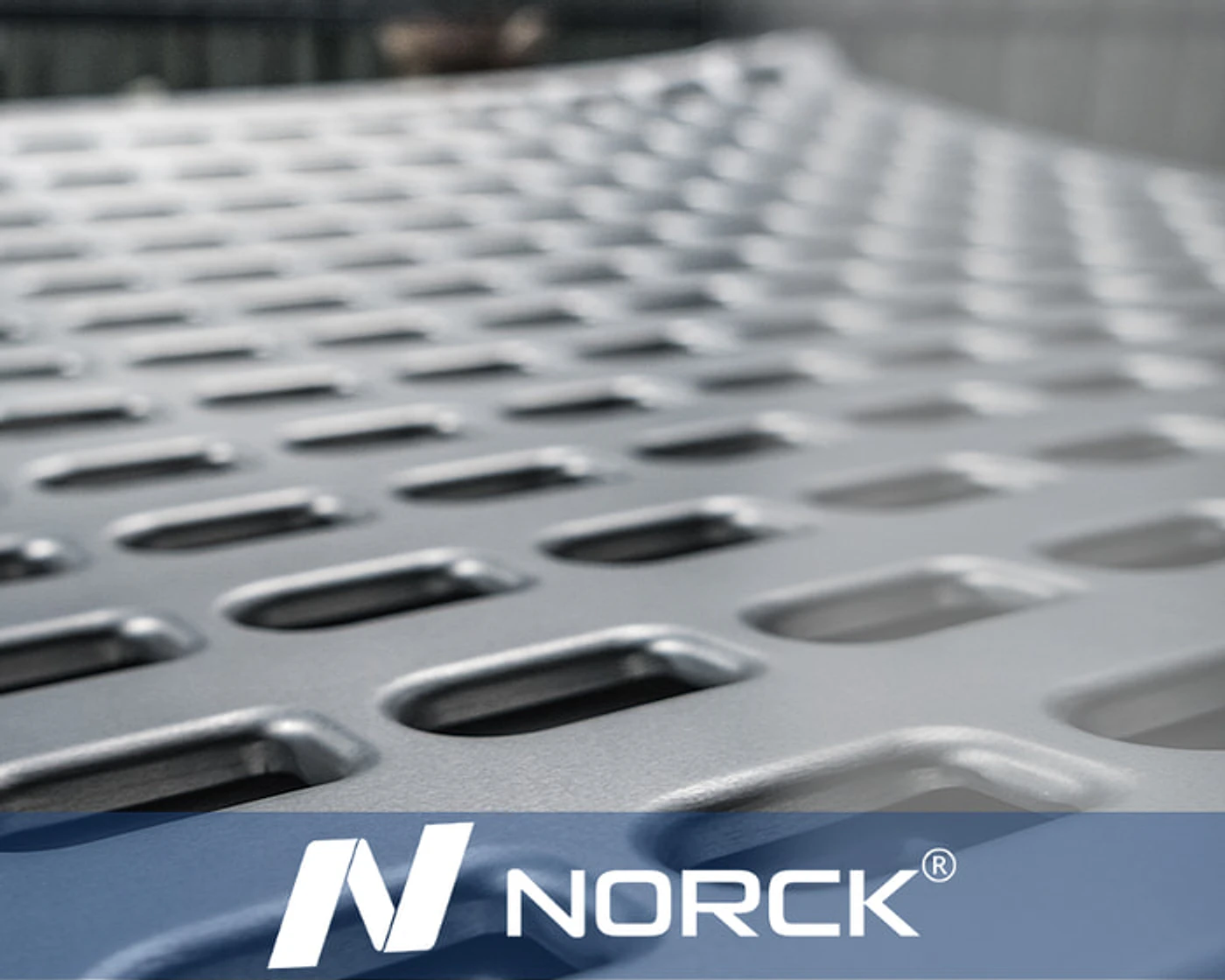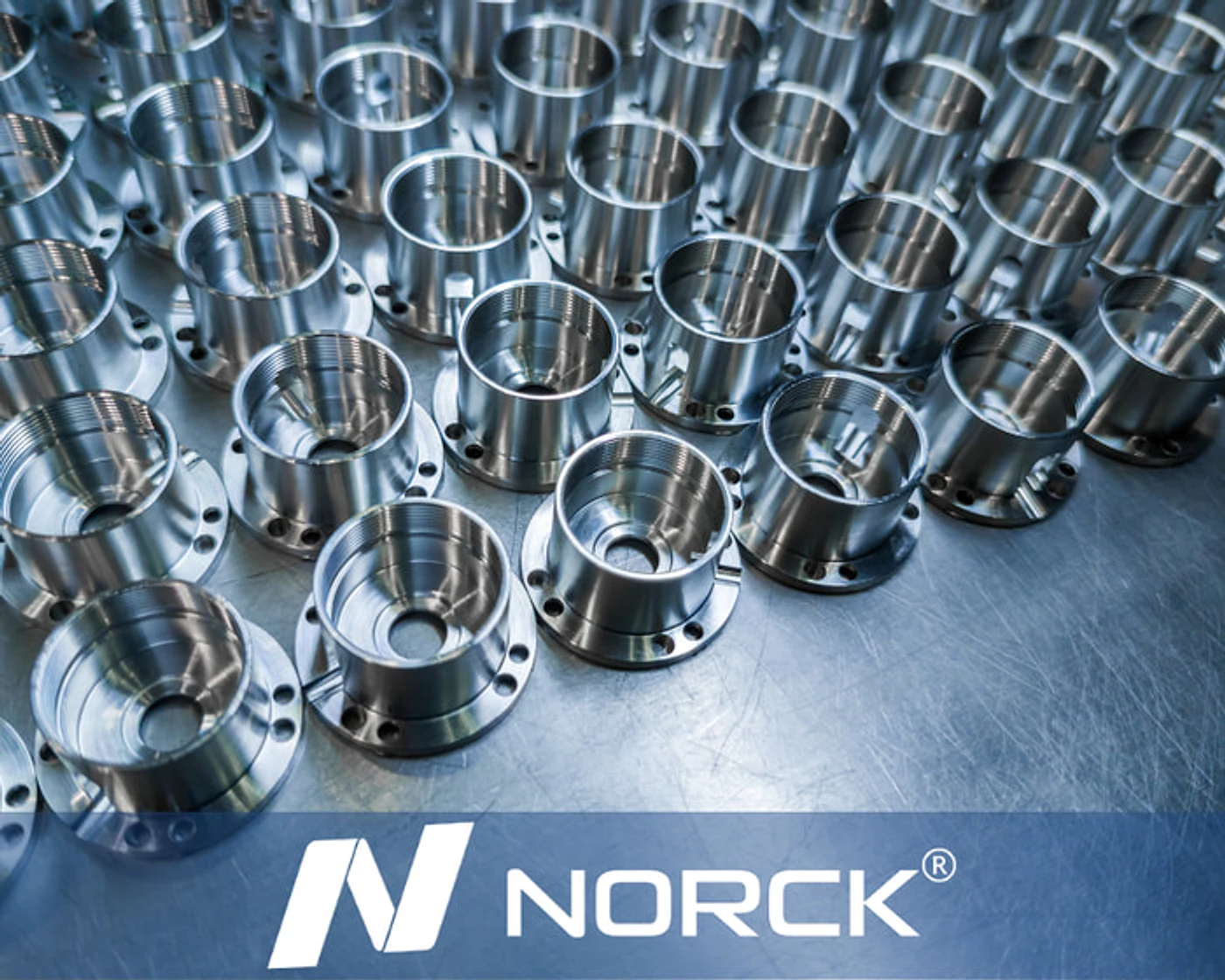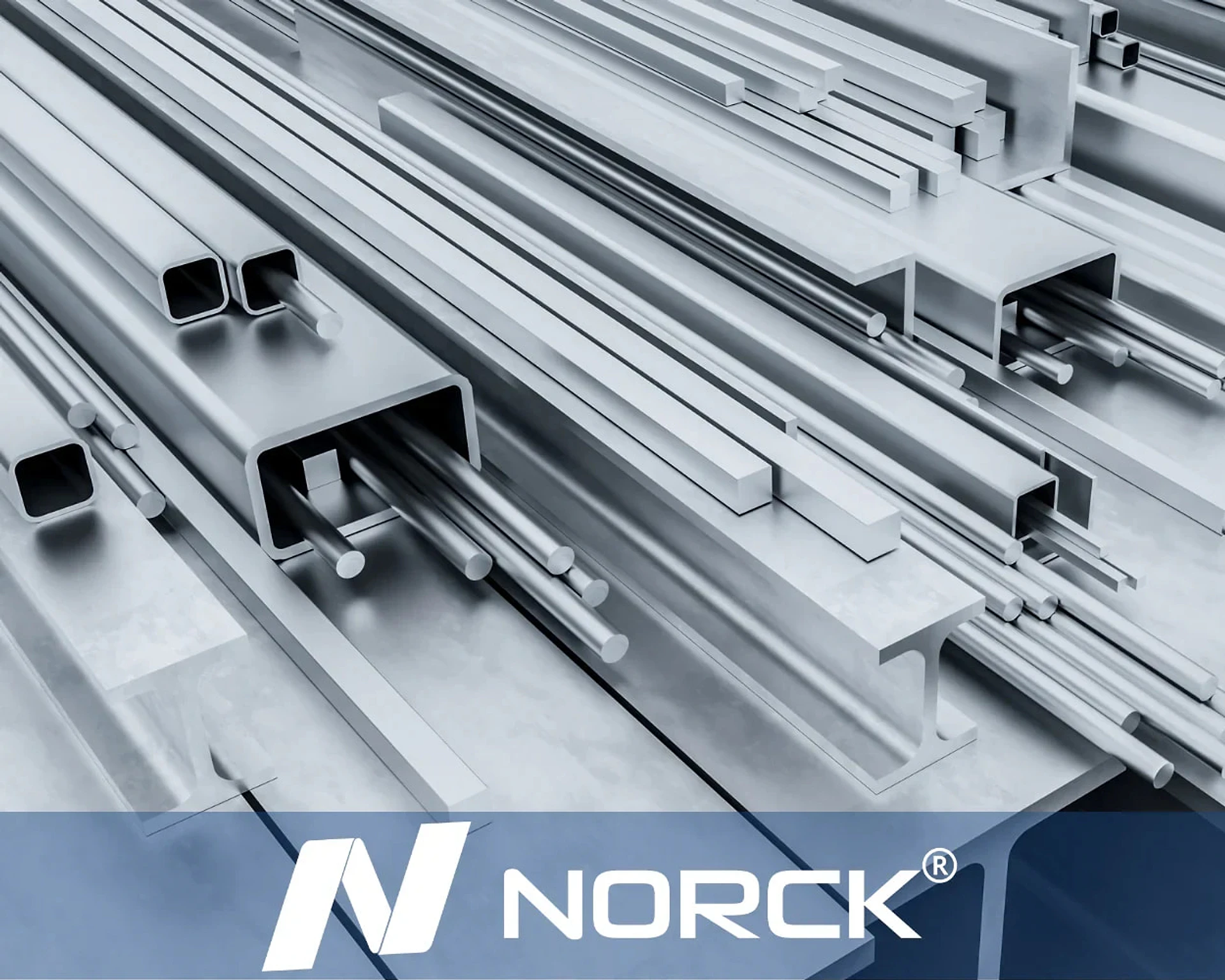
Waterjet cutting is a process that uses high-pressure water, generally with abrasive particles, to cut through various materials such as metals, plastics, and stones. Abrasive particles are added to the water stream to increase its cutting force for hard materials. It is used in aerospace, naval, automotive, ceramics, and textile.
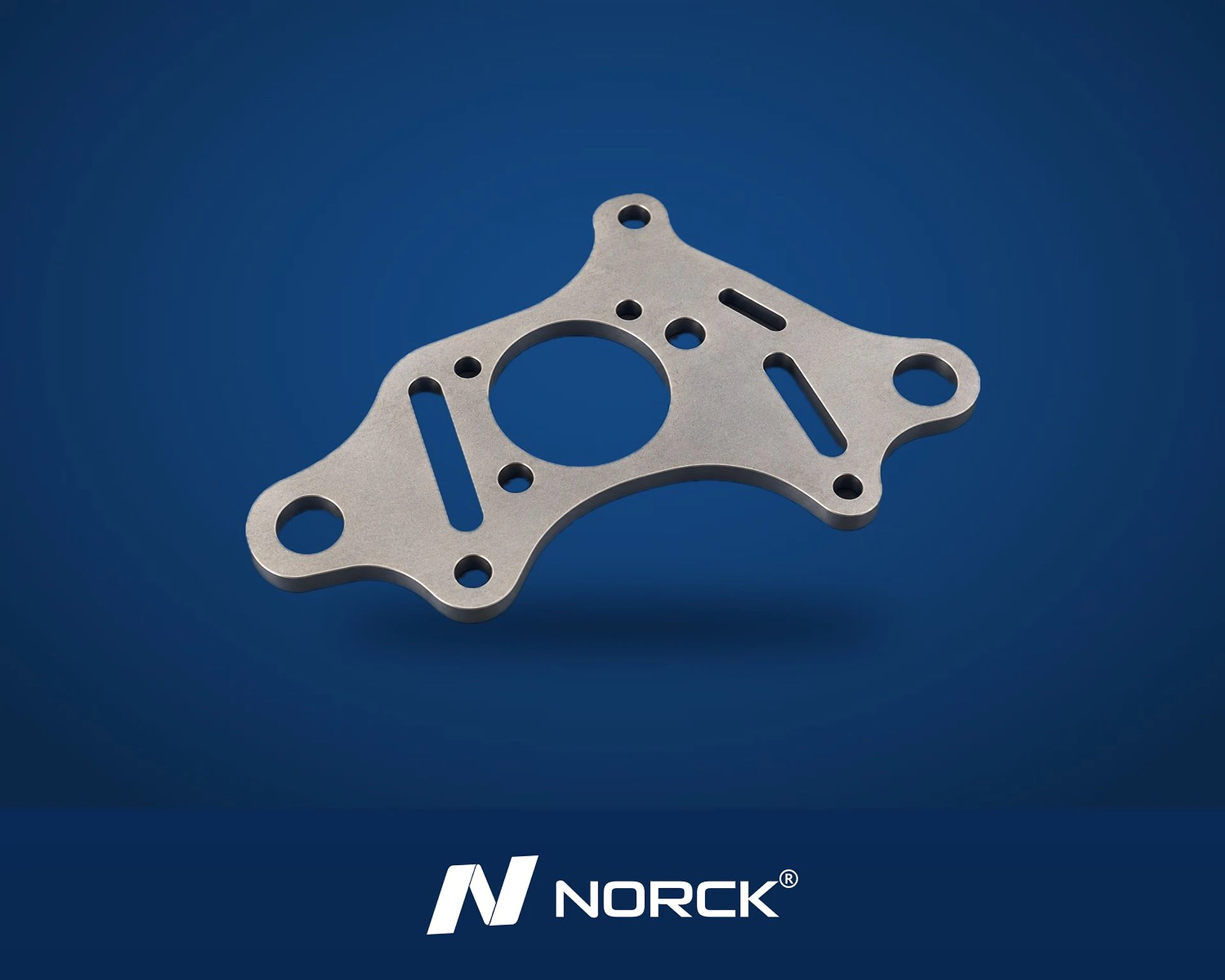
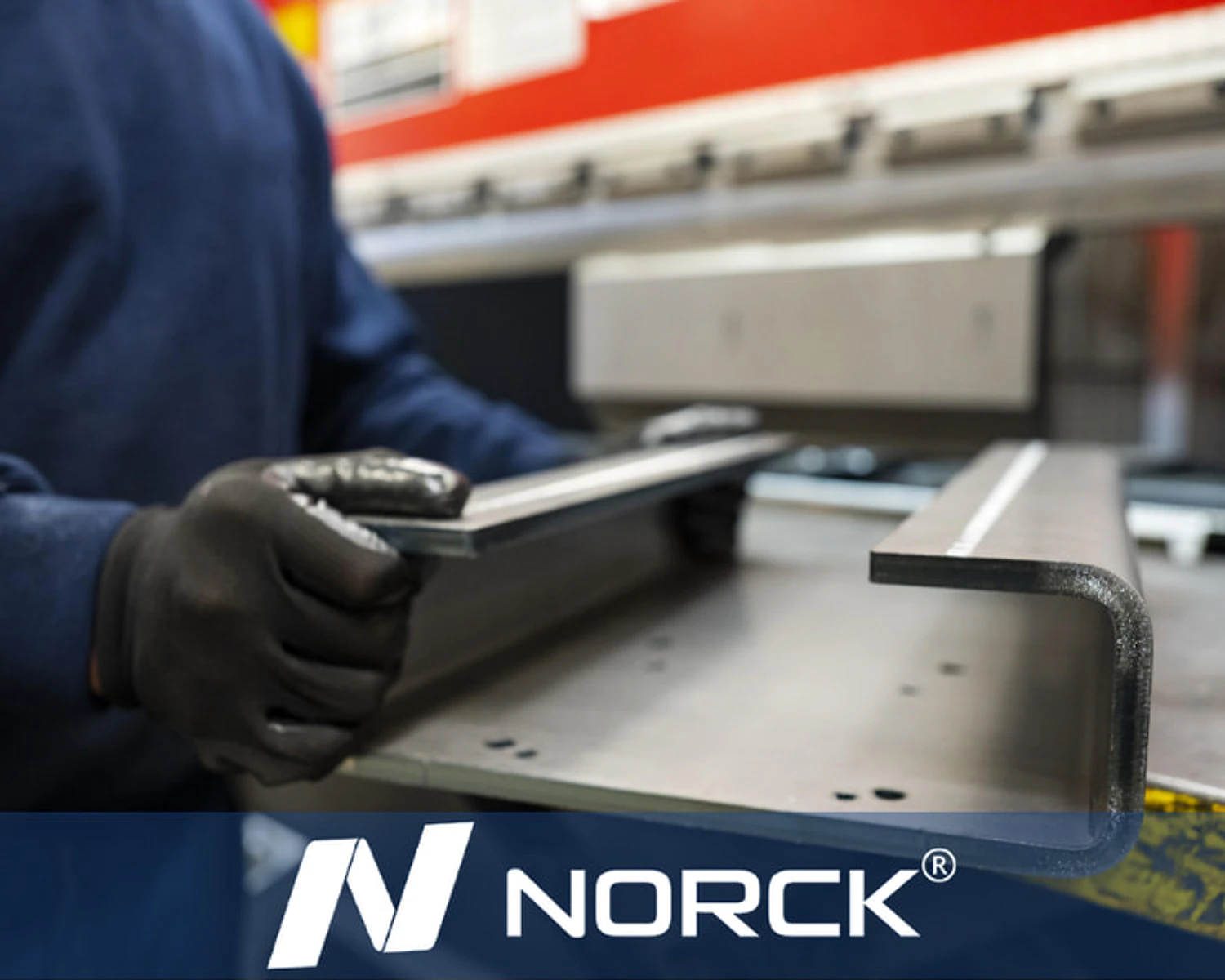
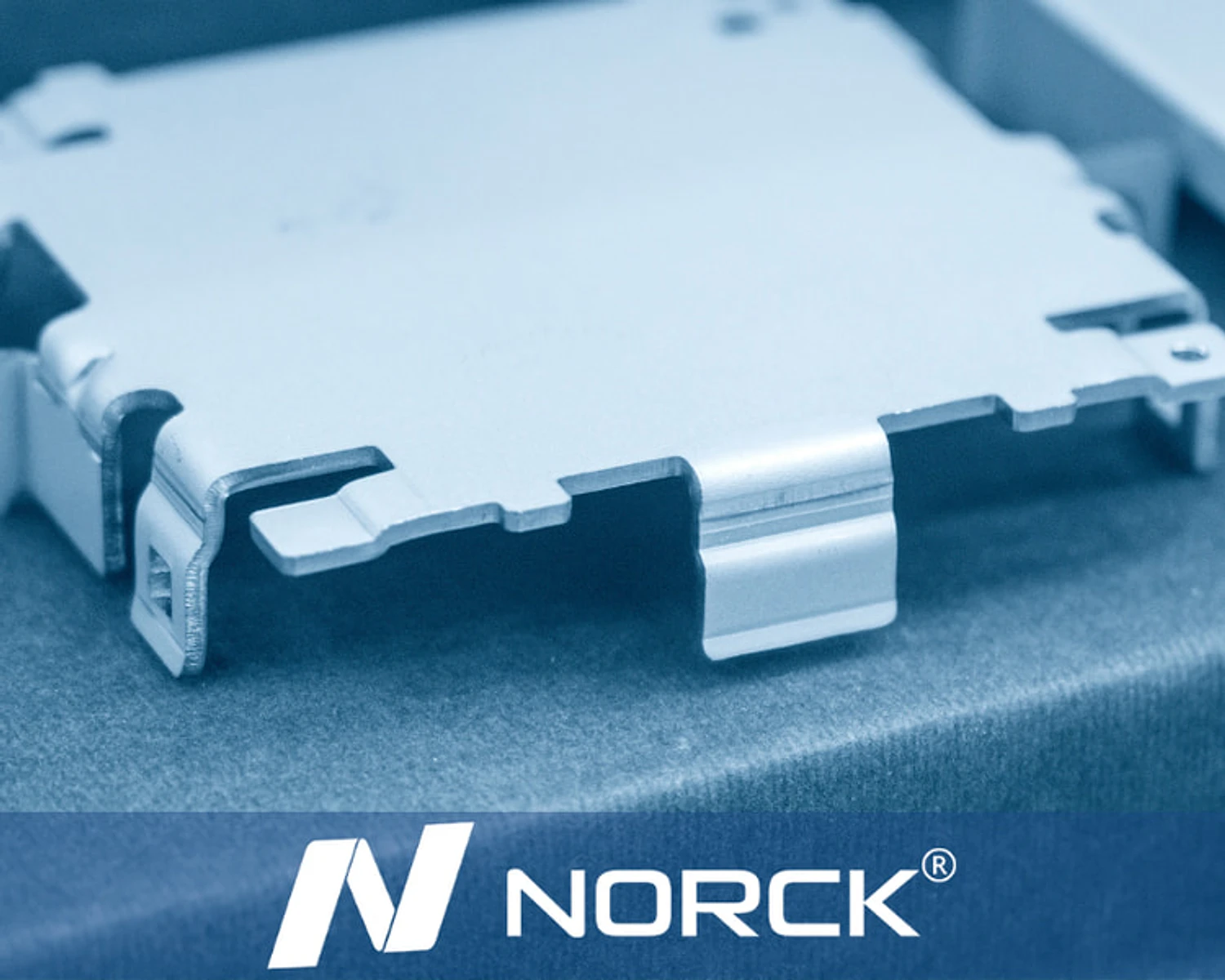
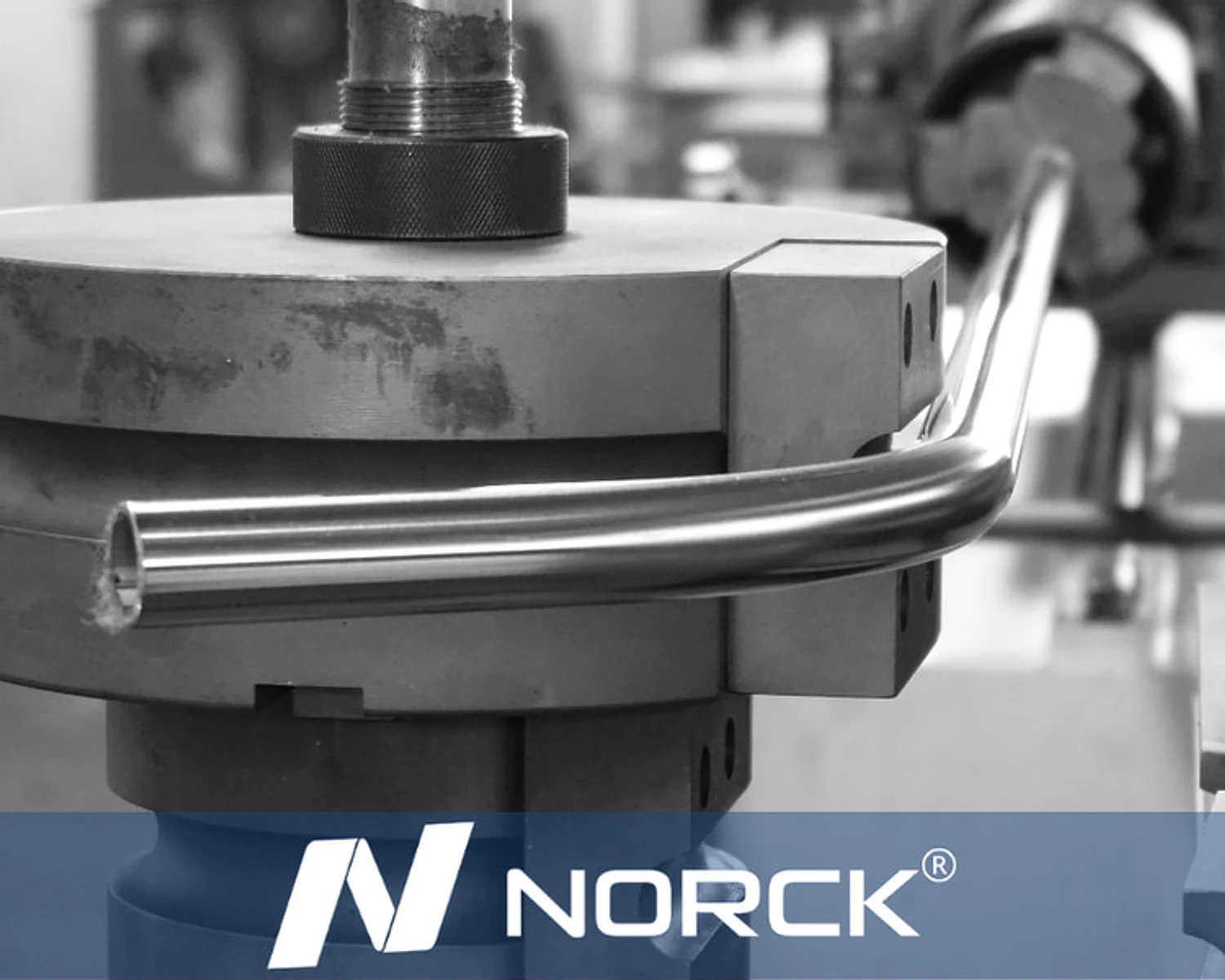
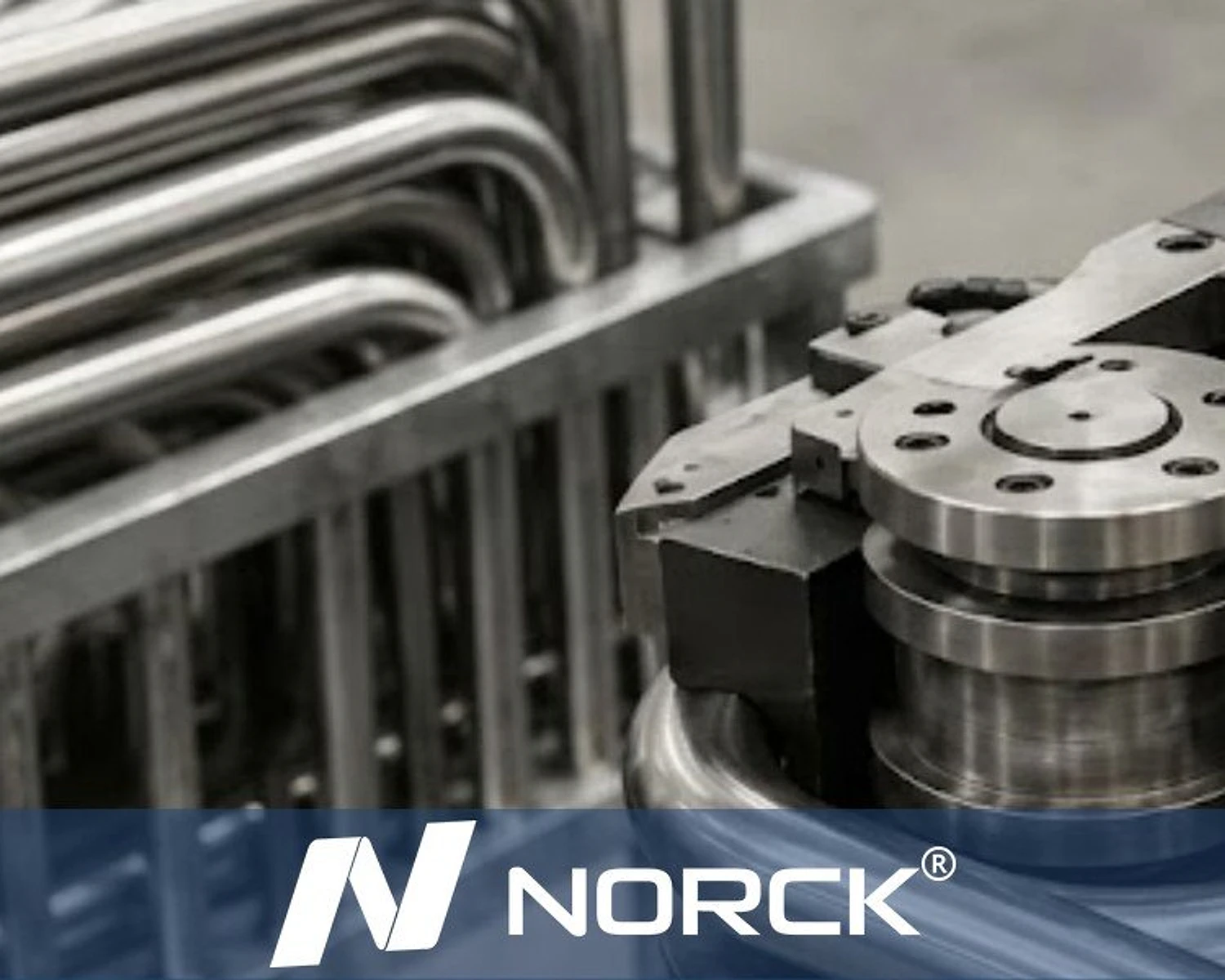
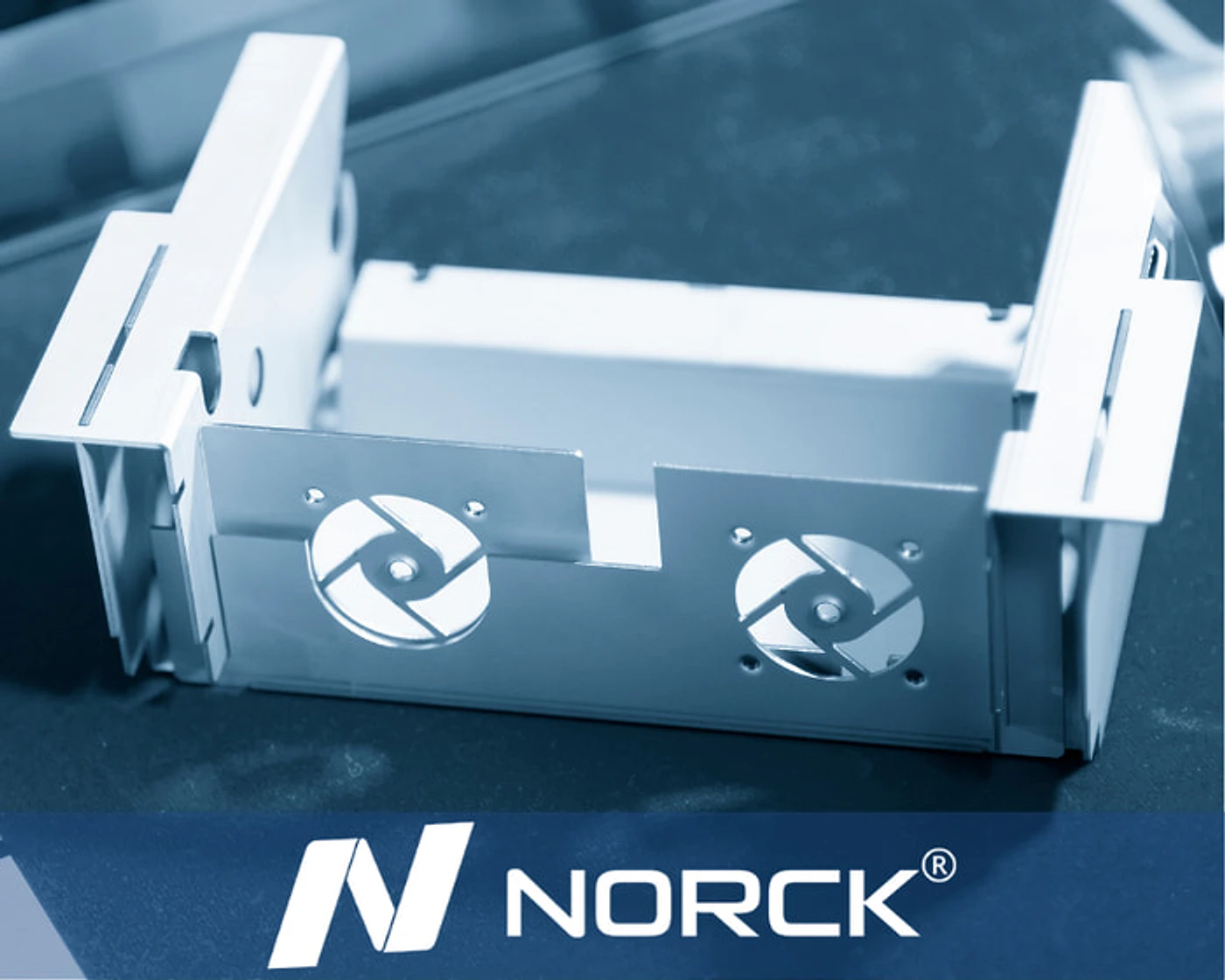
Waterjet cutting can cut tubes and bent sheet metal components to clean edges and add holes.
Waterjet cuts are perpendicular to the sheet surface and can't add draft or threads.
Trusted by Engineers and Researchers at Fortune 500 Companies for Precision Manufacturing
Trusted manufacturing experience with leading global companies.
Lockheed Martin
Nucor Insulated Panel Group
Sumitomo Electric Interconnect Products
Saint-Gobain Performance Plastics Pampus GmbH
3M
FritoLay
Parker Hannifin Corporation
Lear Corporation
Boston Scientific
General Dynamics – OTS Canada
Land O'Lakes
ITW Food Equipment
KLA-Tencor
Fastenal
Volvo Construction Equipment
Saft Batteries
Hemlock Semiconductor
Norck: Precision Waterjet Cutting for Diverse Materials & Applications
Norck delivers expert waterjet cutting services, empowering manufacturers across industrial, aerospace, architectural, artistic, and other sectors to process a wide range of materials with accuracy and complex profiles.
How is it fabricated?
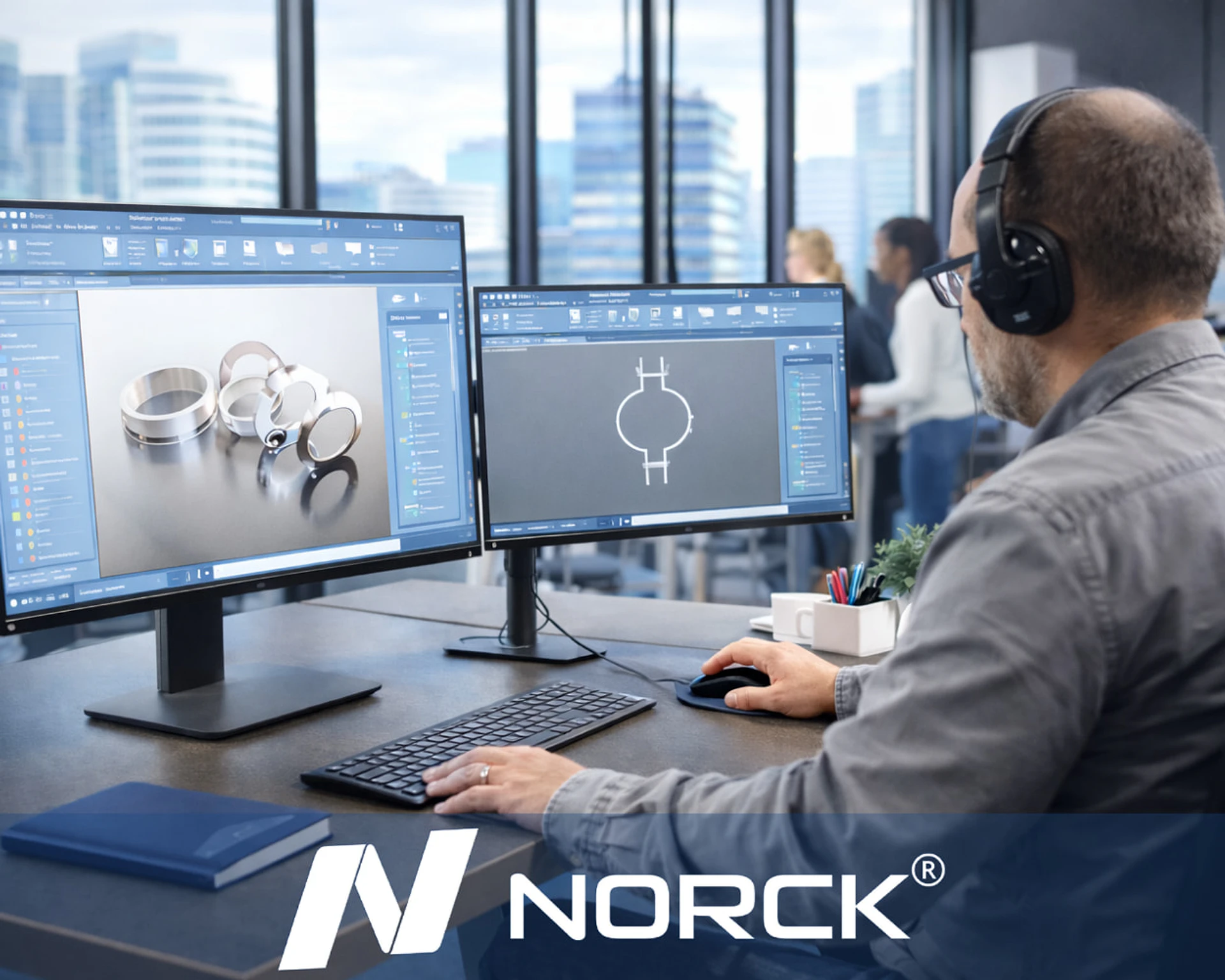
The first step is to generate a vector file using graphic design software such as Illustrator or 3D modeling software such as Solidworks. Norck offers engineering services that will help you create this type of file. Next, we will generate a code for the Waterjet cutting machine using the vector file.
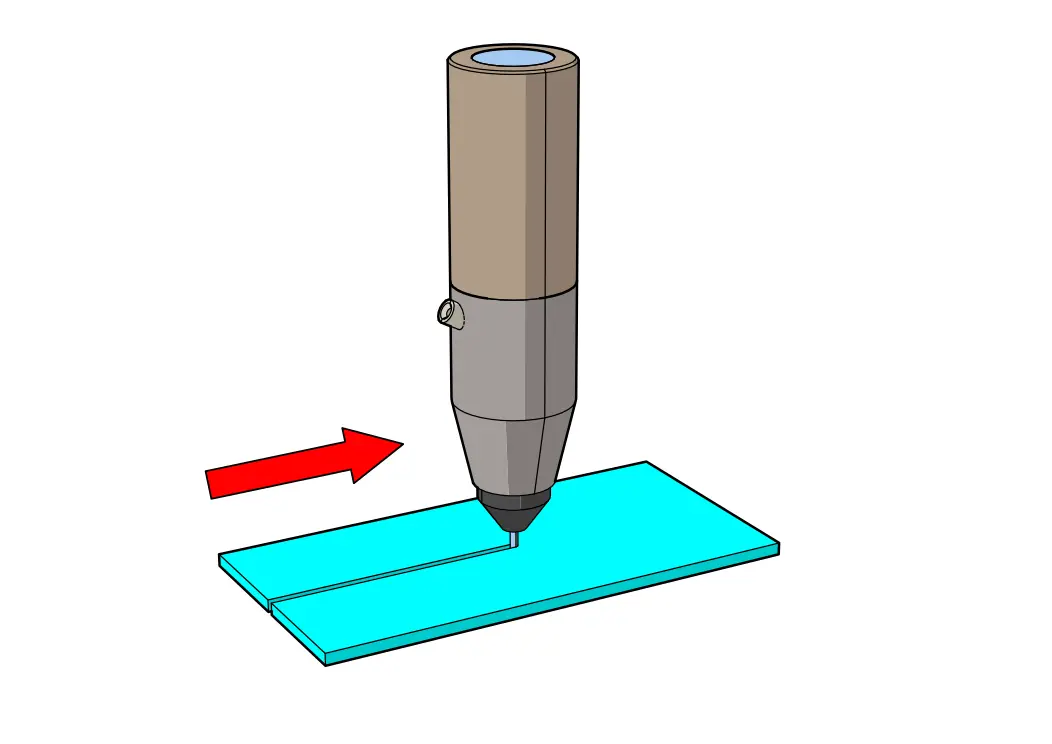
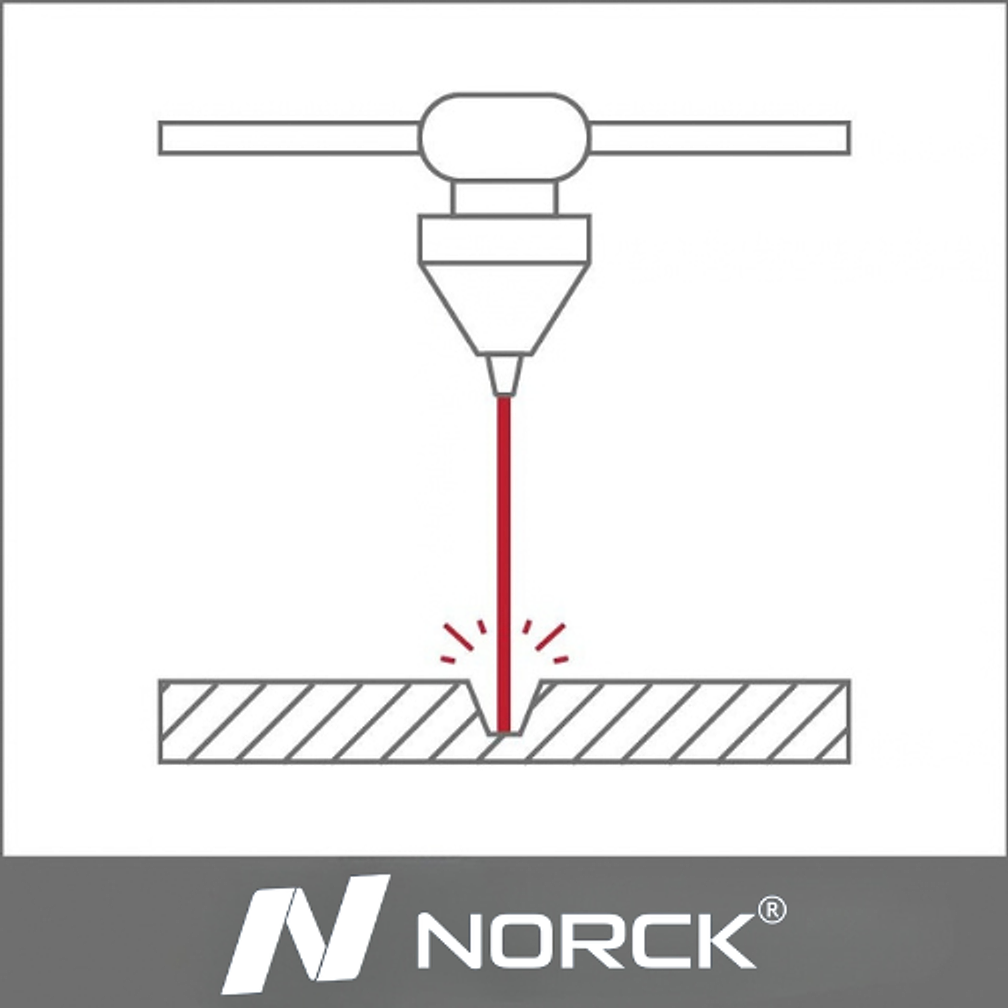
The water is pumped to the cutting head through an intensifier that increases the water pressure from 50 to 55,000 psi. Then the water is focused using a ruby or diamond into a mixing tube to add abrasive particles if needed. The mixture of water and abrasive is fired from the mixing tube with a high velocity of around 686m/s (1534mil/h).
The cutting head cuts material locally and is guided along the shape to be cut using the code generated from the vector file.
Waterjet Cutting
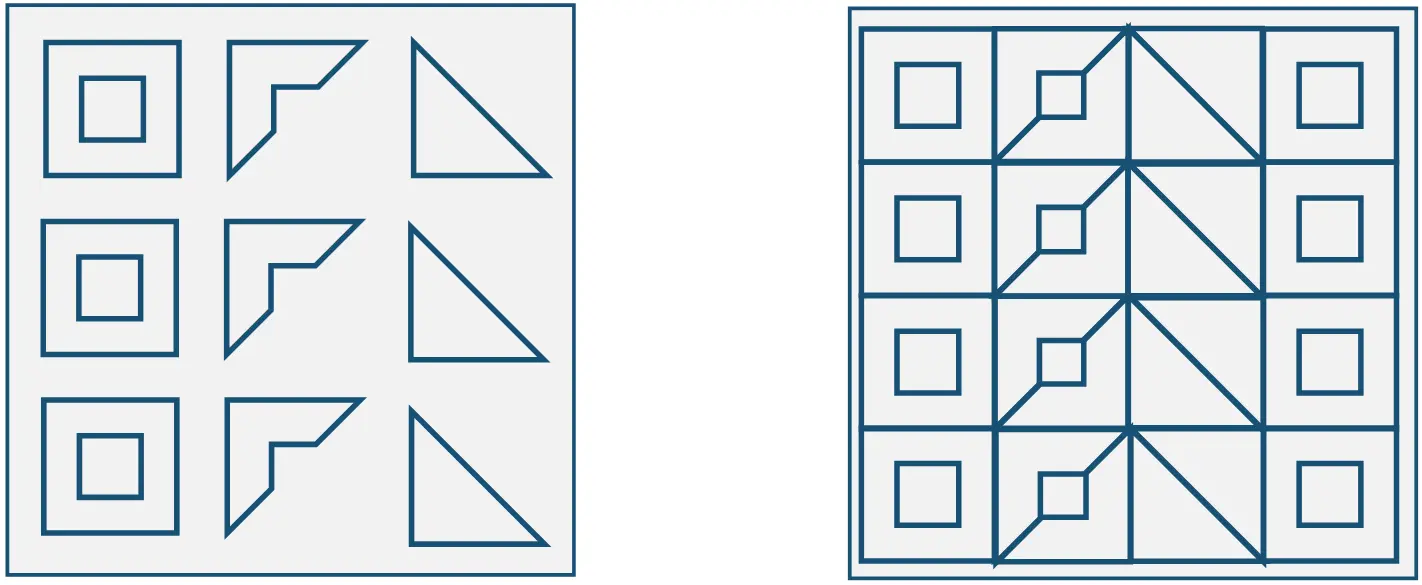
Sheet metal parts should follow specific design rules to be cut properly. And the vector file can have multiple shapes; in that case, arrange shapes to minimize scrap.
This method is called Nesting.
What is Nesting?
Nesting is placing the shapes inside a rectangle that stands for the sheet metal from which the nested shapes will be cut.
Shapes should be placed in a way that minimizes scrap and cutting time.
What are the benefits of using waterjet cutting?
Waterjet cutting offers more advantages over the traditional cutting process:• More precision:Accuracy is around ±0.004in (±0.1mm), while in conventional methods, it is about 0.04in(±1mm)• Clean:Cuts with no burrs or double edges• Faster manufacturing:Since it is controlled via a computer
Even over laser cutting waterjet offers:•Cold cutting,the material will not be affected by heat•No pollutionsince it doesn't use cutting gases•Greater thickness can be cut using waterjet cutting than laser cuttingUsing abrasive, waterjet cutting machines can cut through ferrous and non-ferrous rigid materials such as metals, ceramics, marbles, and tempered glass. And without any abrasive for materials such as plastics, fiberglass, and cardboard. Waterjet can cut through different thicknesses. It is used to cut simple or complex shapes with ease and an accuracy of 0.1mm, while traditional cutting processes' accuracy is about ±1mm. It is an efficient and low labor cost process.
Norck: Your Data-Driven Partner for On-Demand Manufacturing Excellence
Norck is a technology-powered manufacturing leader specializing in CNC machining, 3D printing, sheet metal fabrication, and injection molding. Our intelligent, data-driven approach ensures exceptional quality, optimized costs, and seamless supply chain management for companies worldwide.
AI-Powered Manufacturing: Data and AI optimize our processes for superior quality, minimized costs, and supply chain visibility
Vast Production Capacity: Our extensive partner network in Europe and the US guarantees both low and high-volume production.
End-to-End Expertise: Our team of engineers, data scientists, and product developers ensure design for manufacturability and unparalleled service
Single-Source Solution: Norck streamlines your supply chain, reduces overhead, enhances purchasing power, and delivers just-in-time results.
Online Waterjet Cutting Services: Norck's online waterjet cutting services provide a fast, easy, and reliable way to bring your ideas to life with high quality, custom made parts.
Waterjet Cutting Services Near You: Your search for waterjet cutting services ends here. Norck offers tailored engineering and manufacturing support that begin with your unique project needs. Whether you're a local business or searching online, our expert team delivers top-quality, customized waterjet cutting solutions to bring your designs to life.
Experience the Norck difference. Get a quote fast for your manufacturing needs today!
Frequently Asked Questions
1. What is waterjet cutting and how does it work?
Waterjet cutting is a manufacturing process that uses a high-pressure stream of water, with or without abrasive material, to cut a wide range of materials into precise shapes. Because the process does not rely on heat, it helps preserve the material's original properties while producing accurate cuts and complex geometries. Custom water jet cutting services are commonly used to manufacture prototypes and production parts from customer-supplied CAD files or technical drawings. If you have a custom project, you can request a quote with your design specifications.
2. What materials can be cut with waterjet cutting?
Waterjet cutting can process many engineering materials used in manufacturing, including metals, plastics, composites, rubber, ceramics, glass, and stone. Its versatility makes it an effective solution for producing custom parts with clean edges and complex profiles across a variety of applications.
3. When is waterjet cutting the right manufacturing process?
Waterjet cutting is an excellent choice when a project requires precise cutting without exposing the material to heat. It is commonly selected for components with intricate geometries, internal cutouts, and detailed profiles that demand high accuracy and minimal material distortion.
4. Can custom water jet cutting services be used for prototypes and production parts?
Yes. Custom water jet cutting services are suitable for both prototype development and production manufacturing. The process supports custom part fabrication from CAD files, making it a practical solution for projects ranging from single components to larger production quantities. Norck can review your design and provide a quote based on your specifications.
5. What information is needed to request a waterjet cutting quote?
To prepare an accurate quotation for custom water jet cutting services, provide your CAD drawing or technical file, material type, material thickness, quantity, and any required tolerances or project specifications. Complete project information helps Norck evaluate your requirements and recommend the most suitable manufacturing solution.
Norck uses strictly necessary cookies to run this site. With your permission, we would also use Google Analytics to see how the site is used, and Google Ads to measure our advertising. We do not sell your data.
You can change your choices at any time under Privacy choices at the foot of every page, or by writing to info@norck.com. See the privacy statement for details.