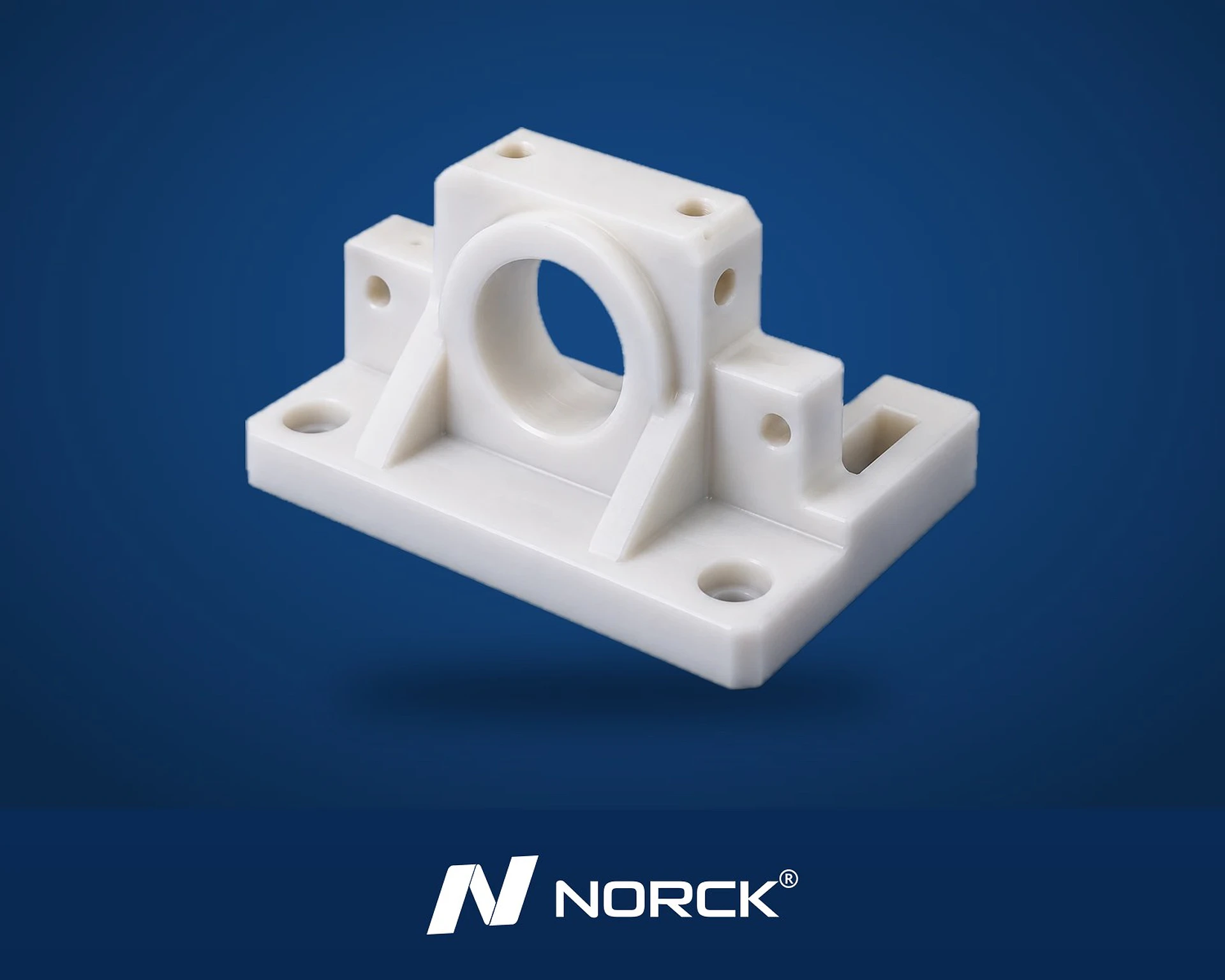
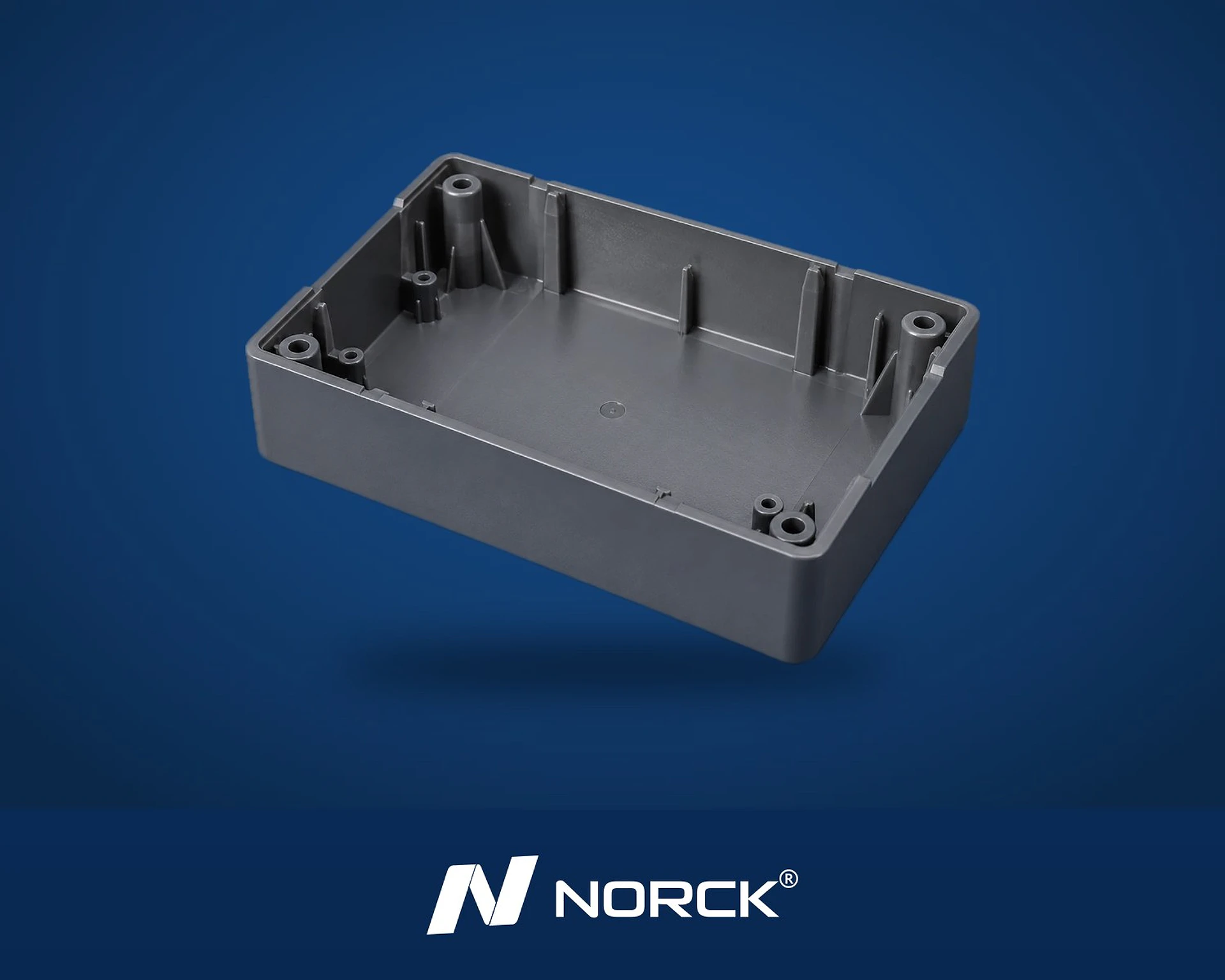
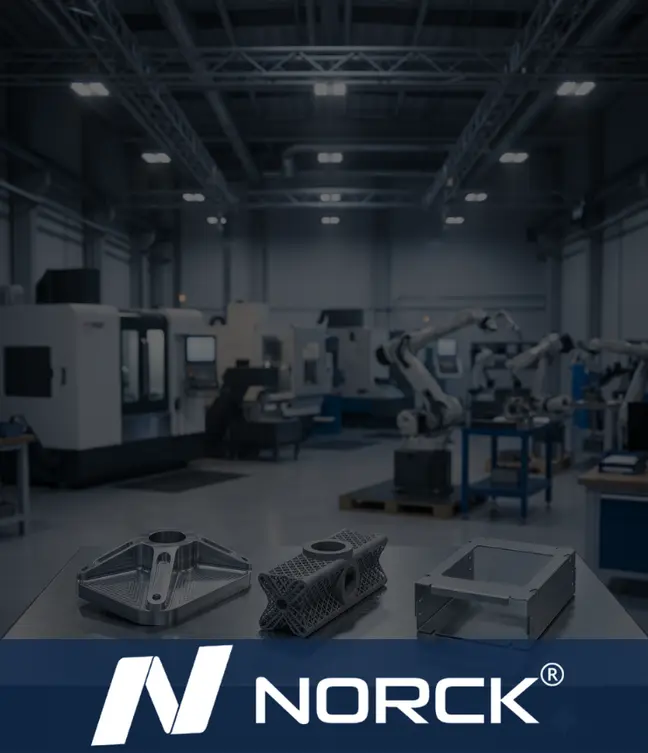
Custom plastic part manufacturing designates a set of fabrication methods used to manufacture a custom parts made out of various plastic materials. At Norck, we manufacture custom plastic parts for a wide range of industries including:
Trusted by Engineers and Researchers at Fortune 500 Companies for Precision Manufacturing
Trusted manufacturing experience with leading global companies.
Lockheed Martin
Nucor Insulated Panel Group
Sumitomo Electric Interconnect Products
Saint-Gobain Performance Plastics Pampus GmbH
3M
FritoLay
Parker Hannifin Corporation
Lear Corporation
Boston Scientific
General Dynamics – OTS Canada
Land O'Lakes
ITW Food Equipment
KLA-Tencor
Fastenal
Volvo Construction Equipment
Saft Batteries
Hemlock Semiconductor
How does Norck fabricate custom plastic parts?
There are several manufacturing processes Norck follows to produce custom plastic parts. These processes can be divided into three broad categories:
1. Additive manufacturing
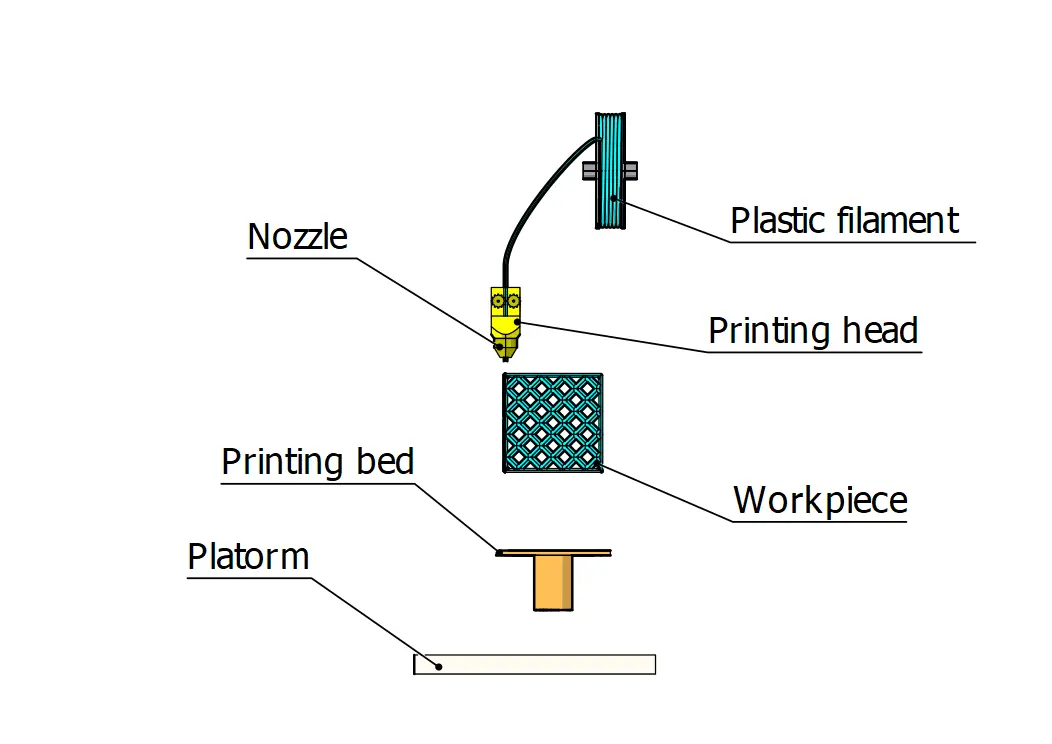
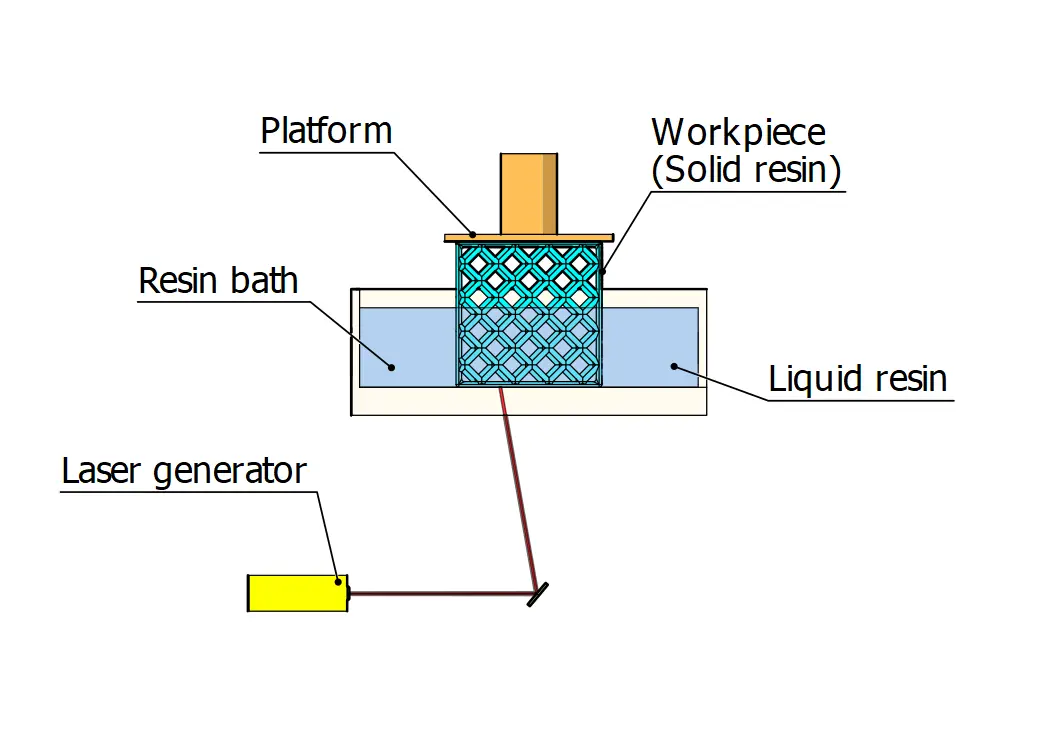
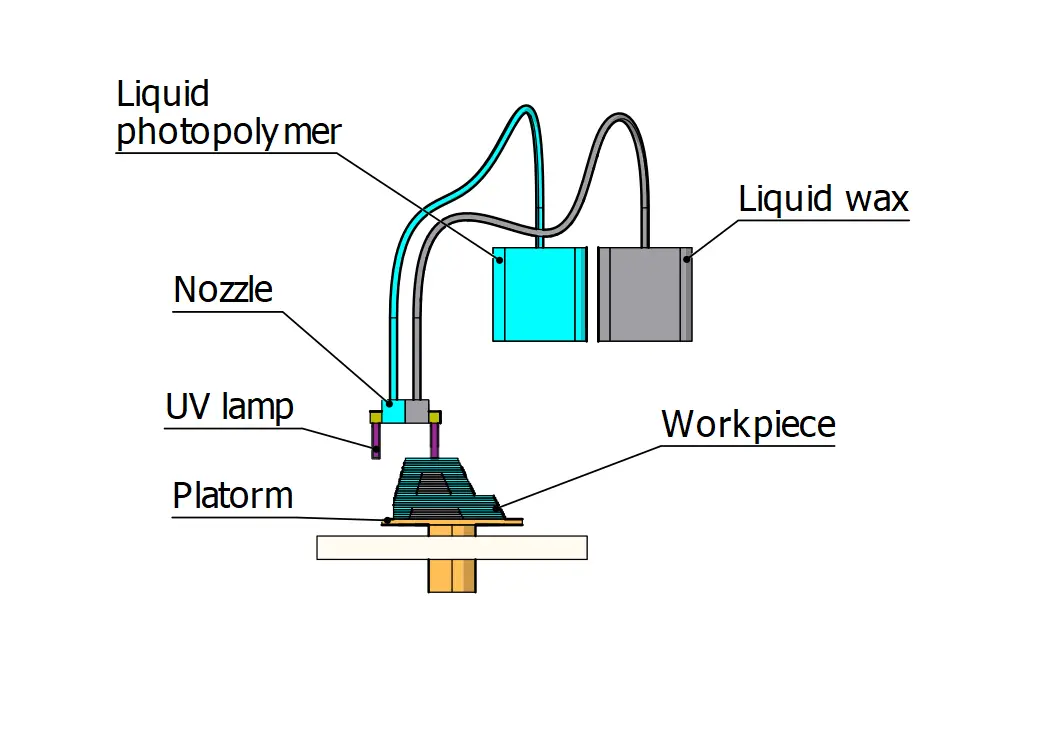
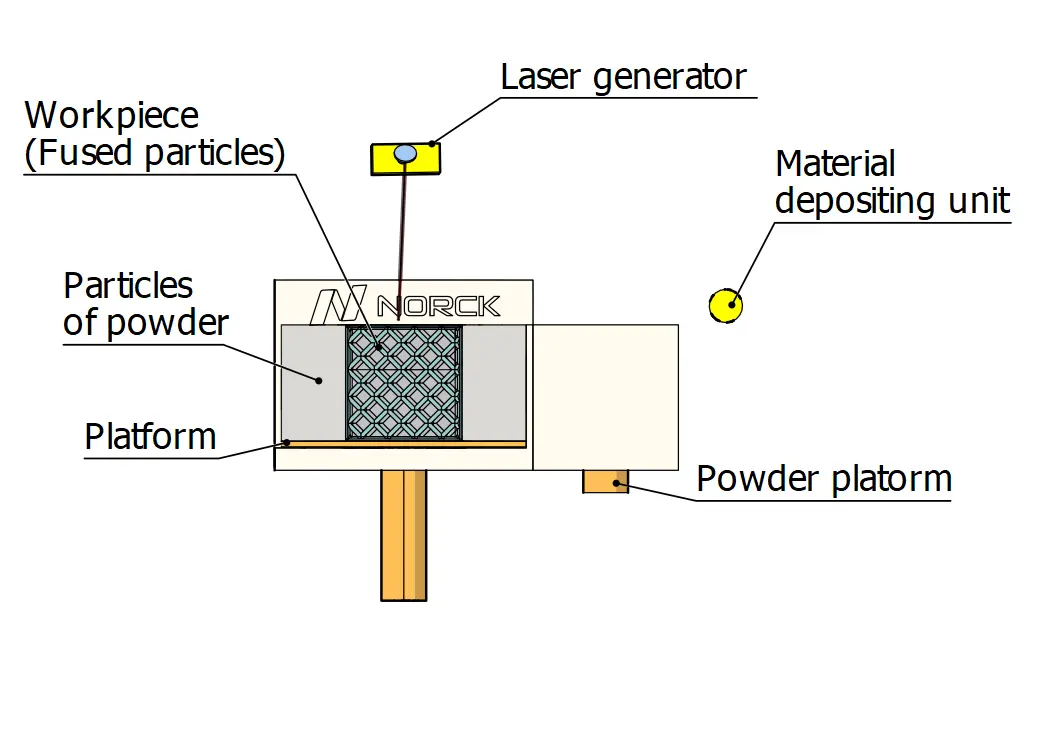
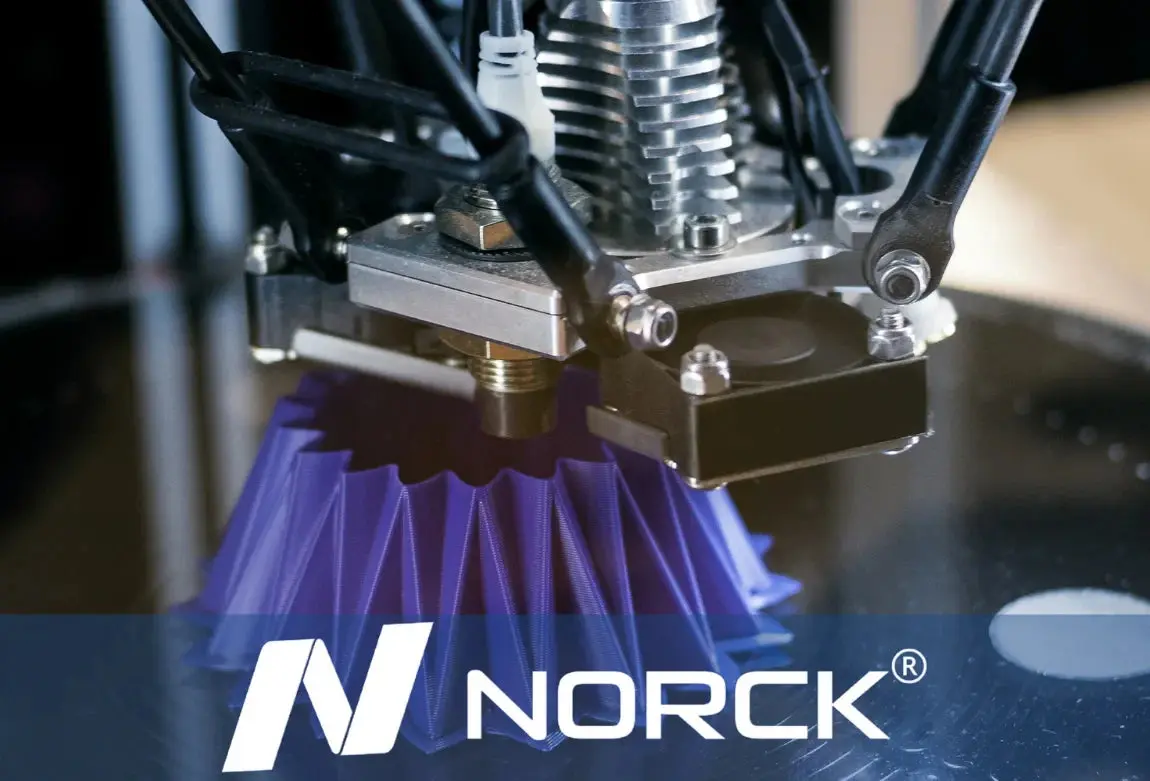
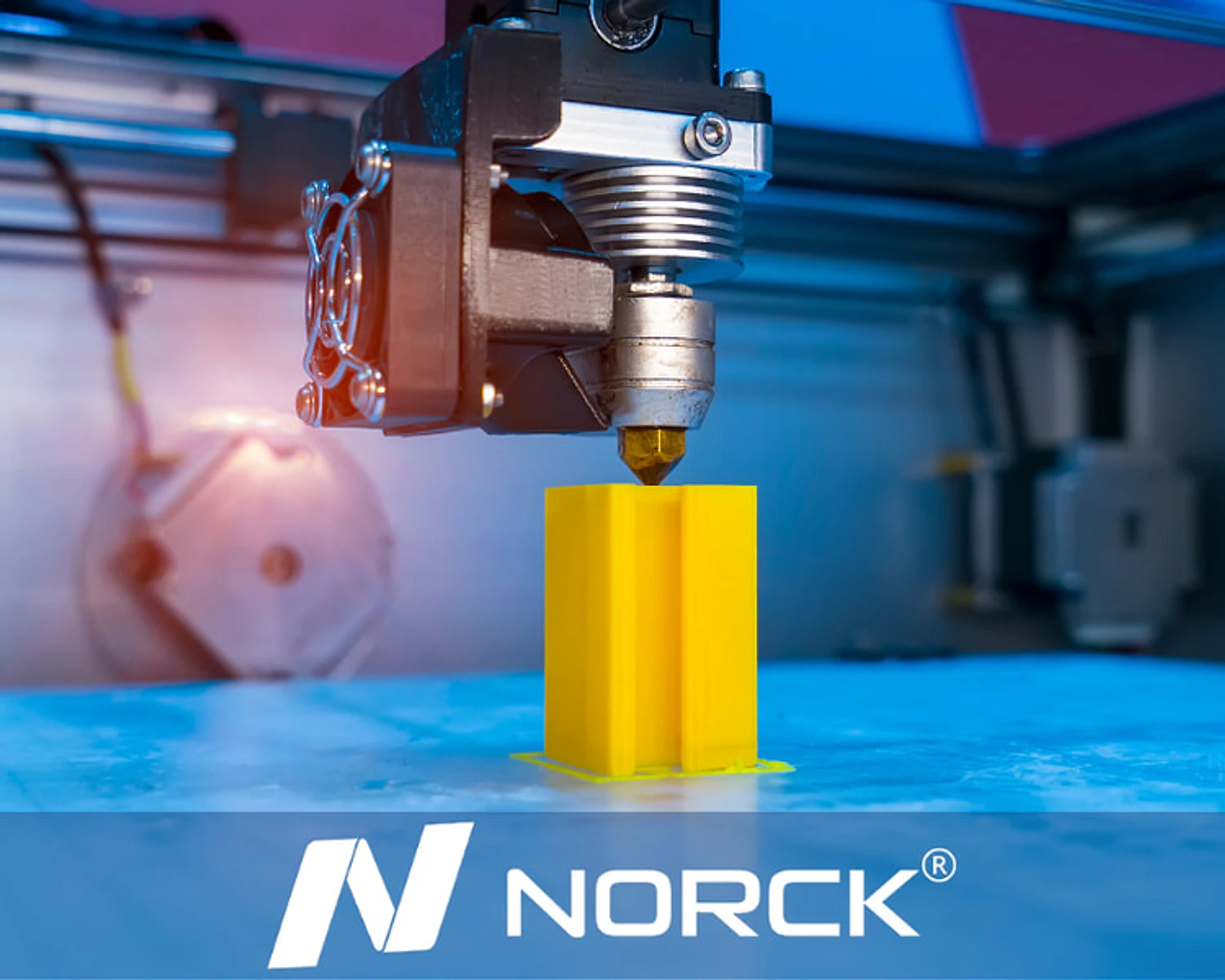
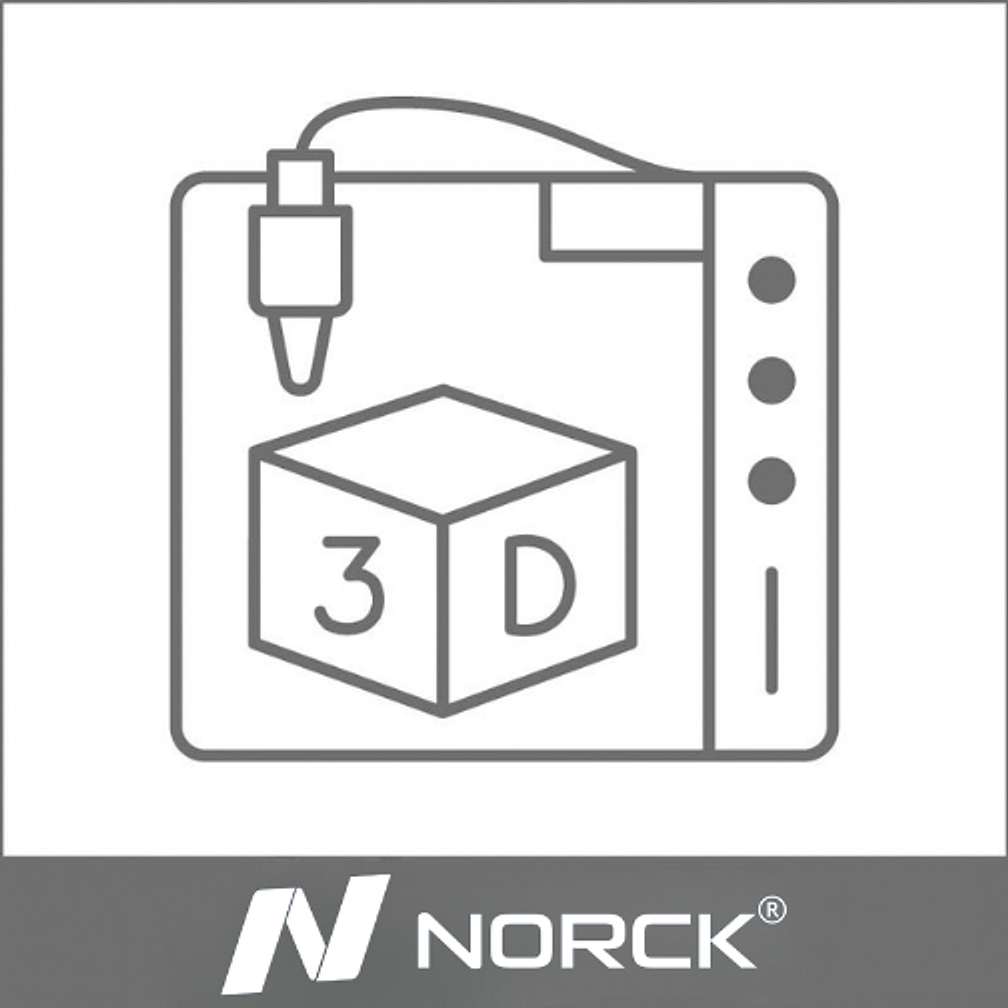
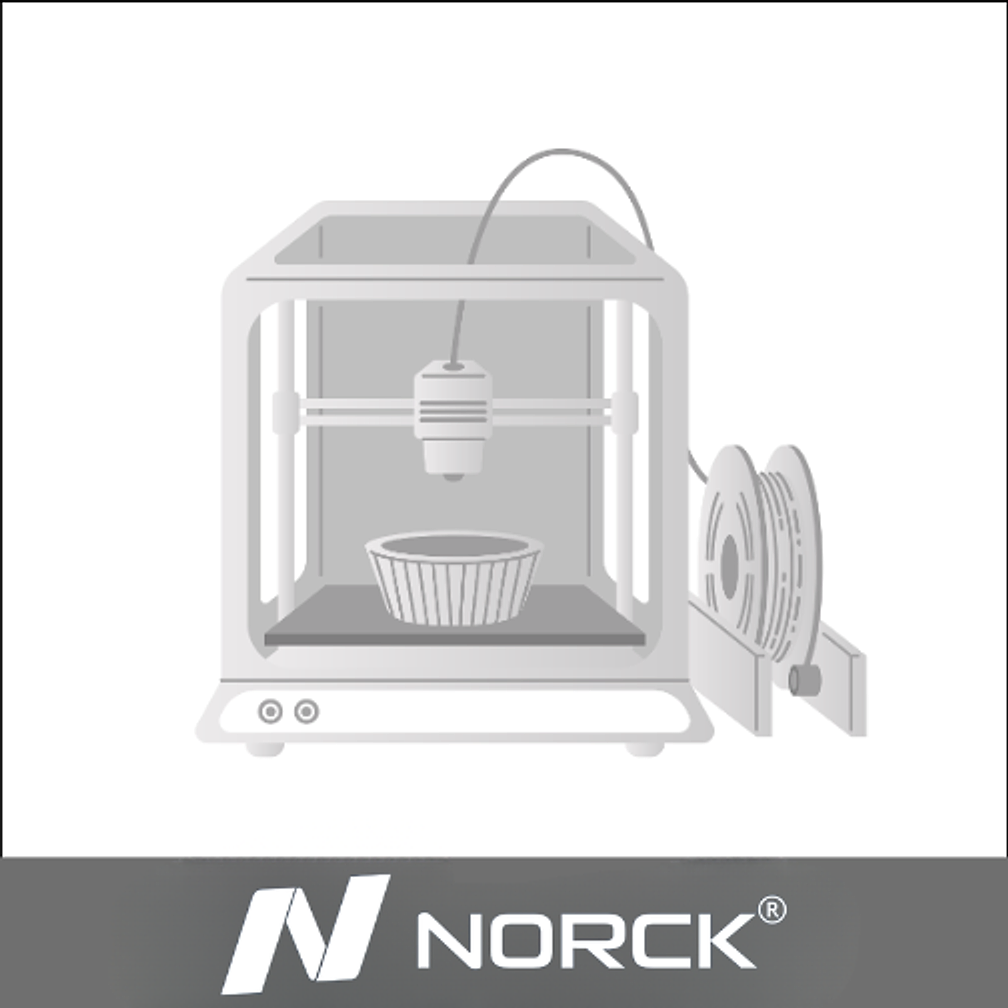
• Plastic 3D Printing:It is a process used to produce custom parts by printing layers of plastic materials. Plastic 3D Printing uses multiple methods to create custom plastic parts, and it is evolving. At Norck, we offer numerous 3D printing methods, such as FDM, SLA, SLS, Polyjet, Carbon DLS, and HP multijet fusion.
Fused Deposition Modeling
Stereolithography
Polyjet
Selective lasersintering
• Used plastic materials include: - ABS Like (resin) - PC Like (resin) - PP - PP Like (resin) - Nylon - Silicone - TPU
• Application:It is mainly used in the earliest stages of product development and can be used in conceptual models, functional prototypes, tooling, electronics, jewelry, and medical industries.• Advantages and disadvantages: + Cost-effective process with a vast choice of plastic and elastomeric materials- Weaker results compared to other plastic manufacturing processes.
2. Subtractive manufacturing
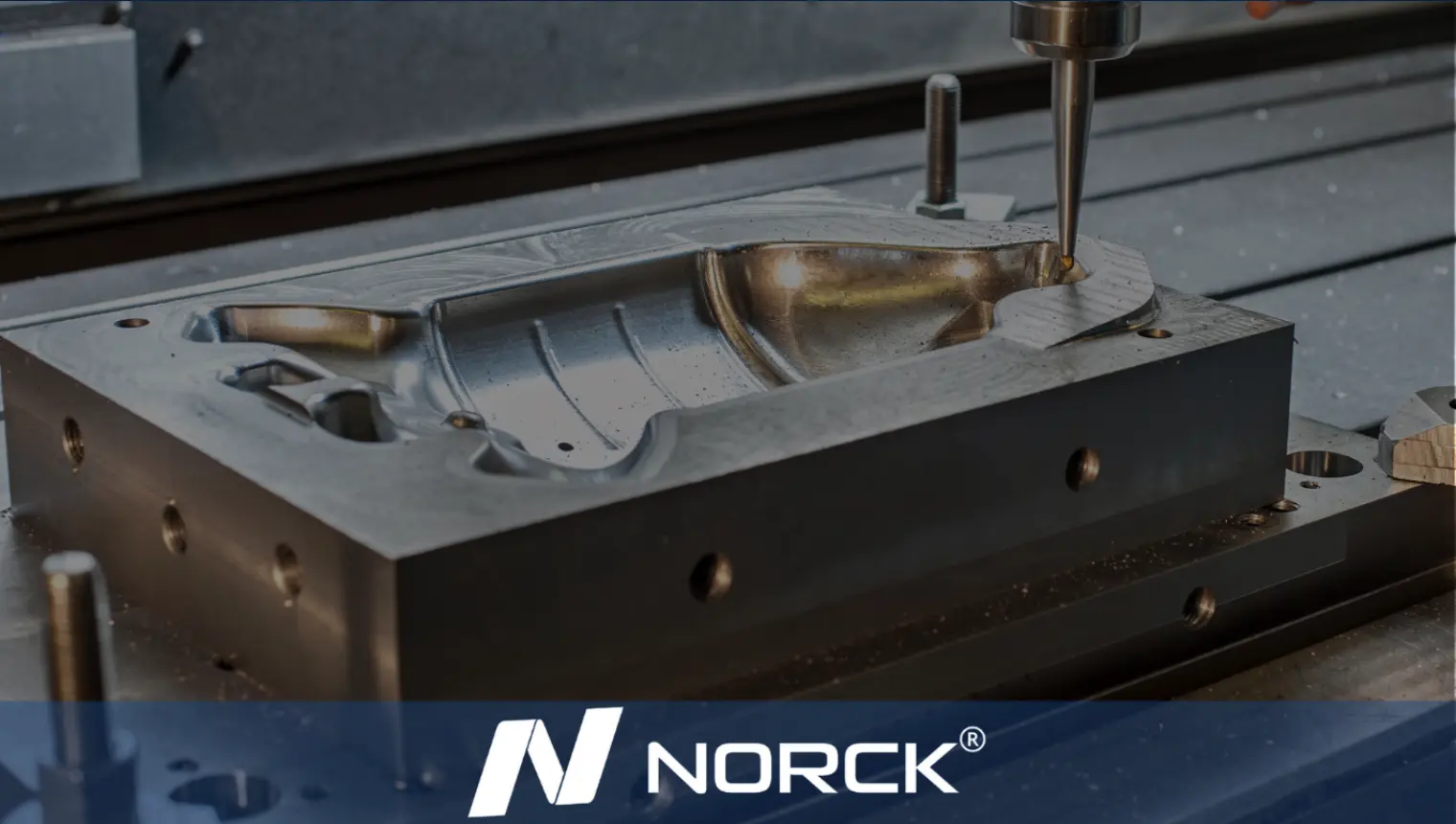
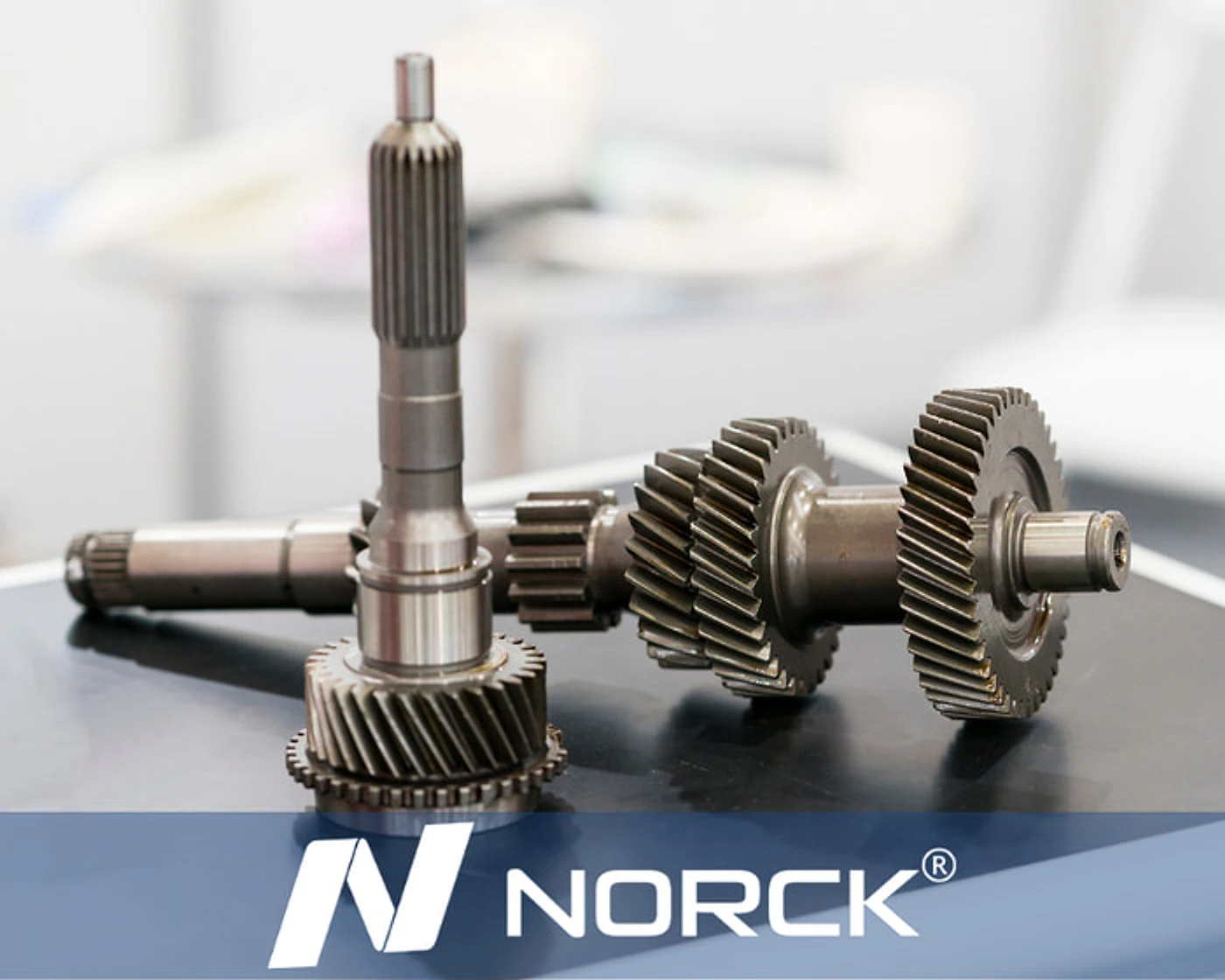
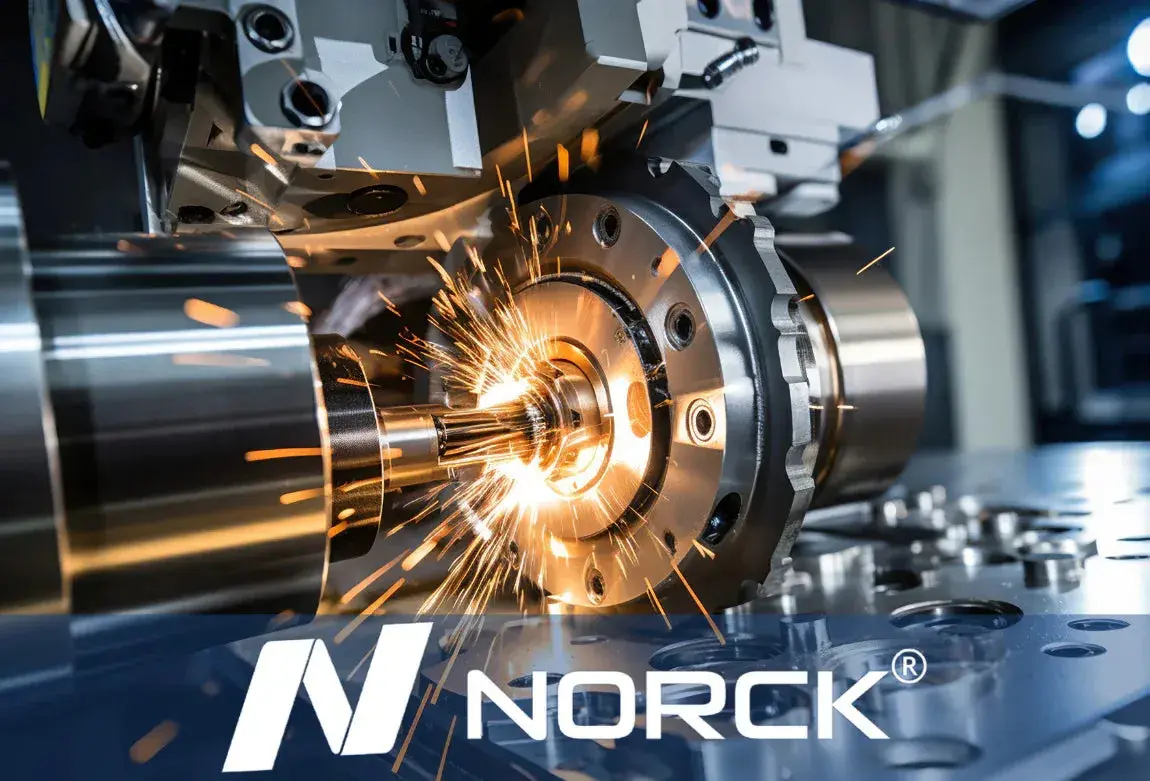
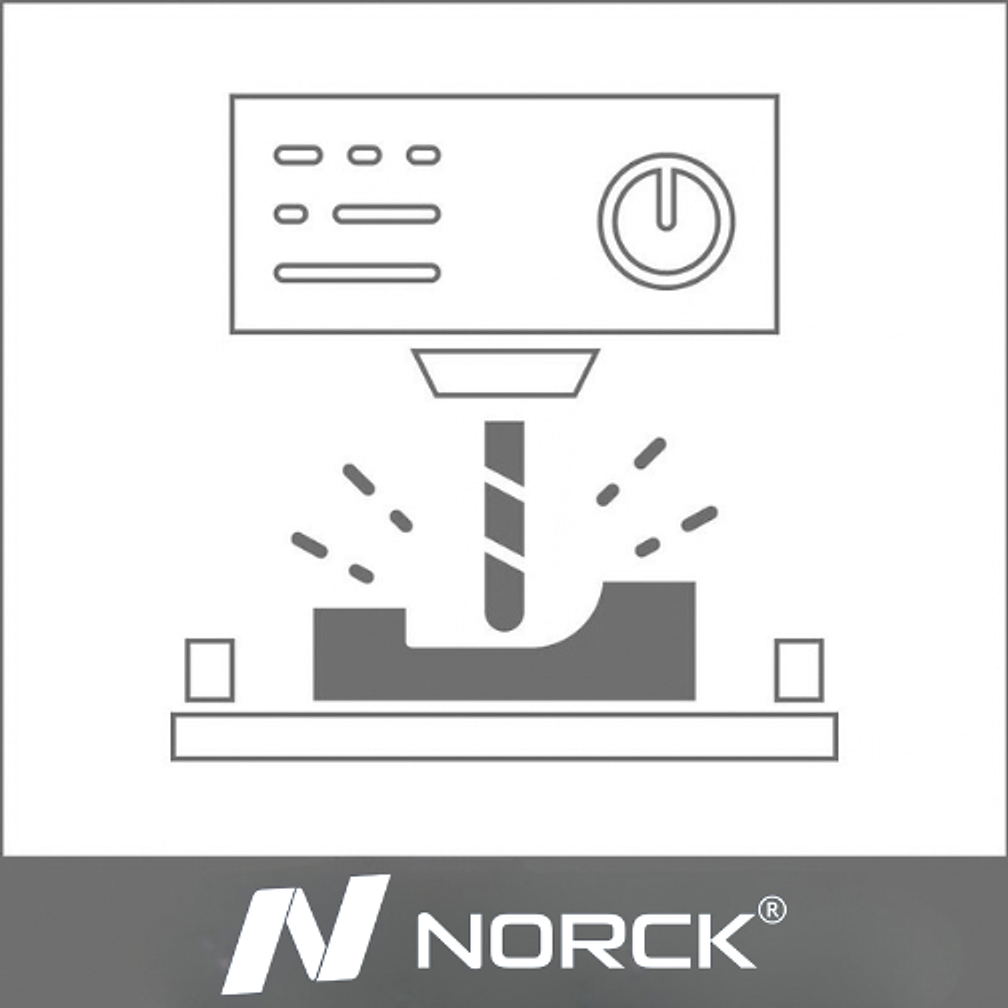
• CNC machining: CNC machining (Computer Numerical Controlled machining) designates a process that uses a computer to control the trajectory of the machining tool. It employs many machining techniques, such as milling, drilling, and cutting.
Taping
Counterboring
Countersinking
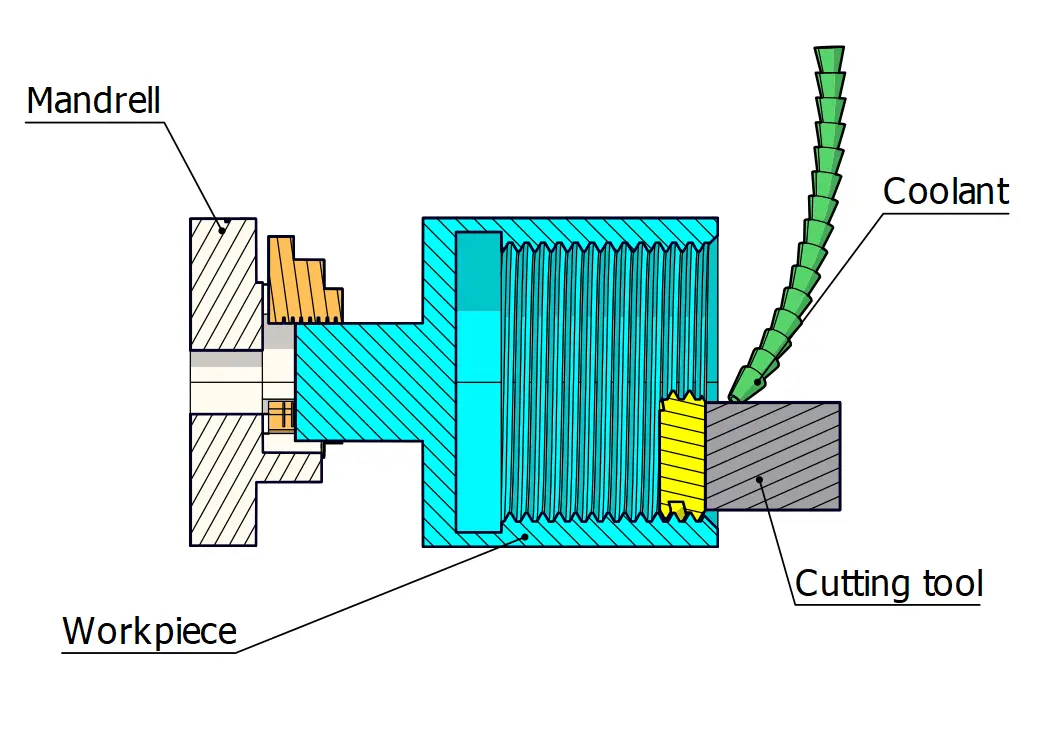
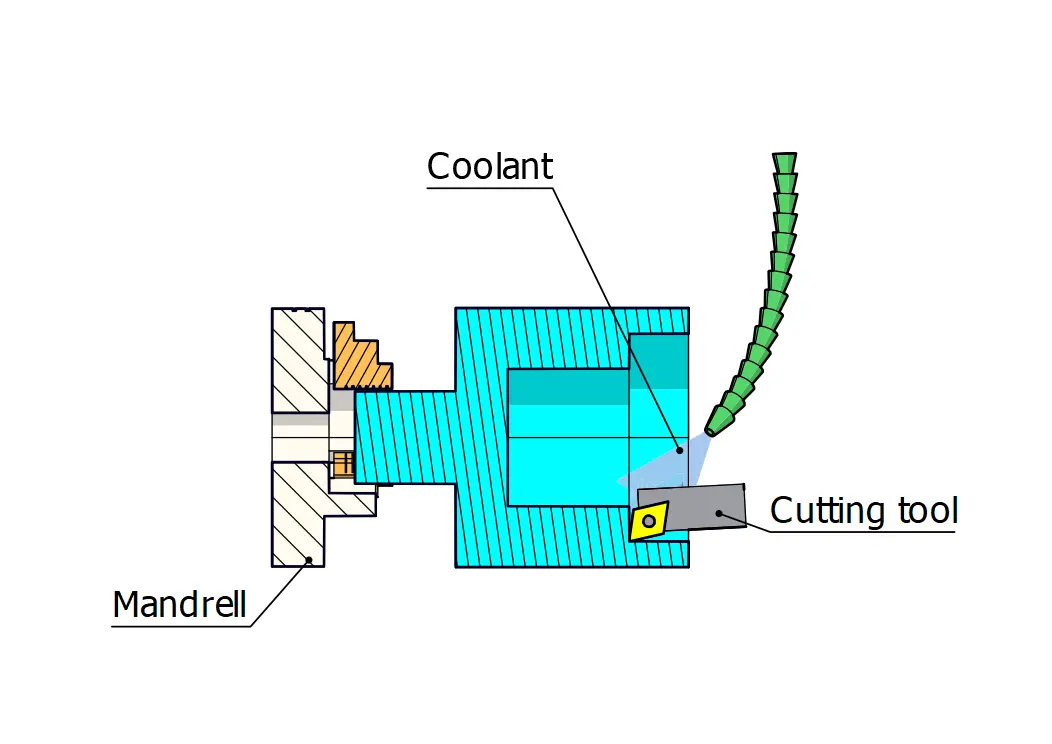
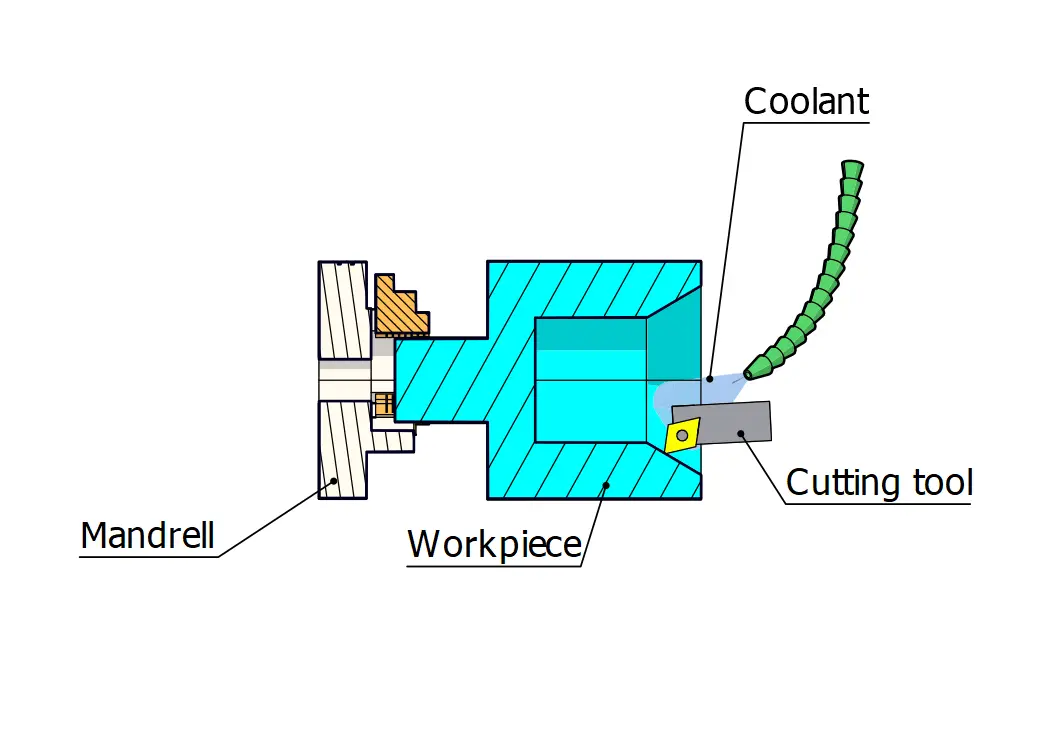
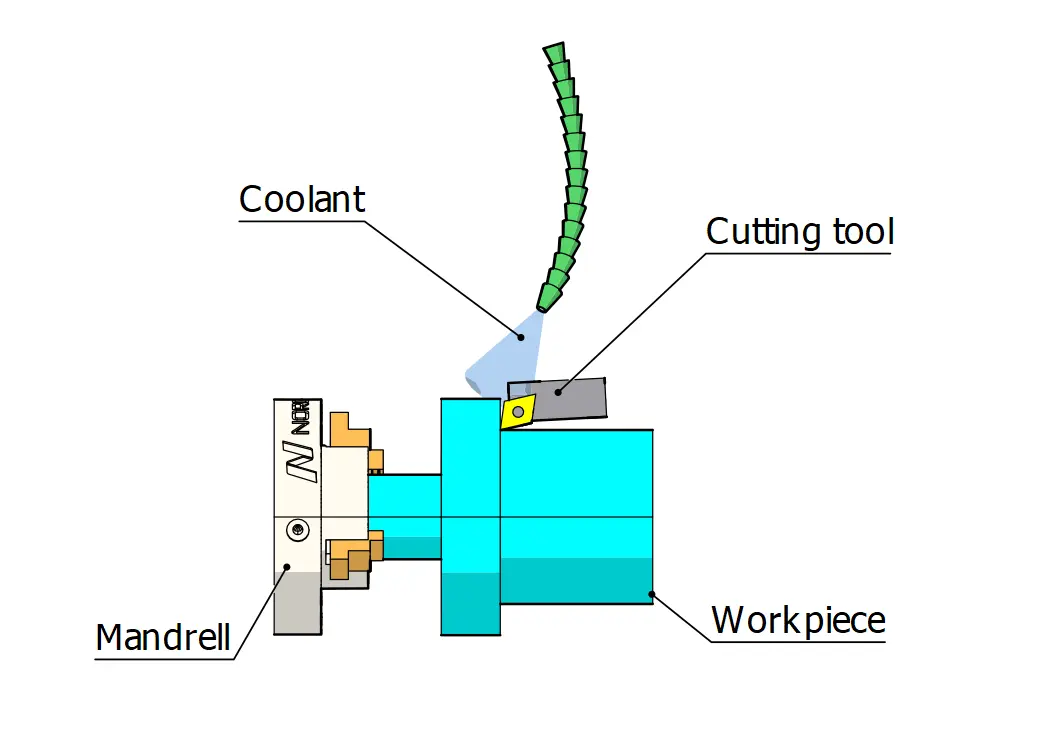
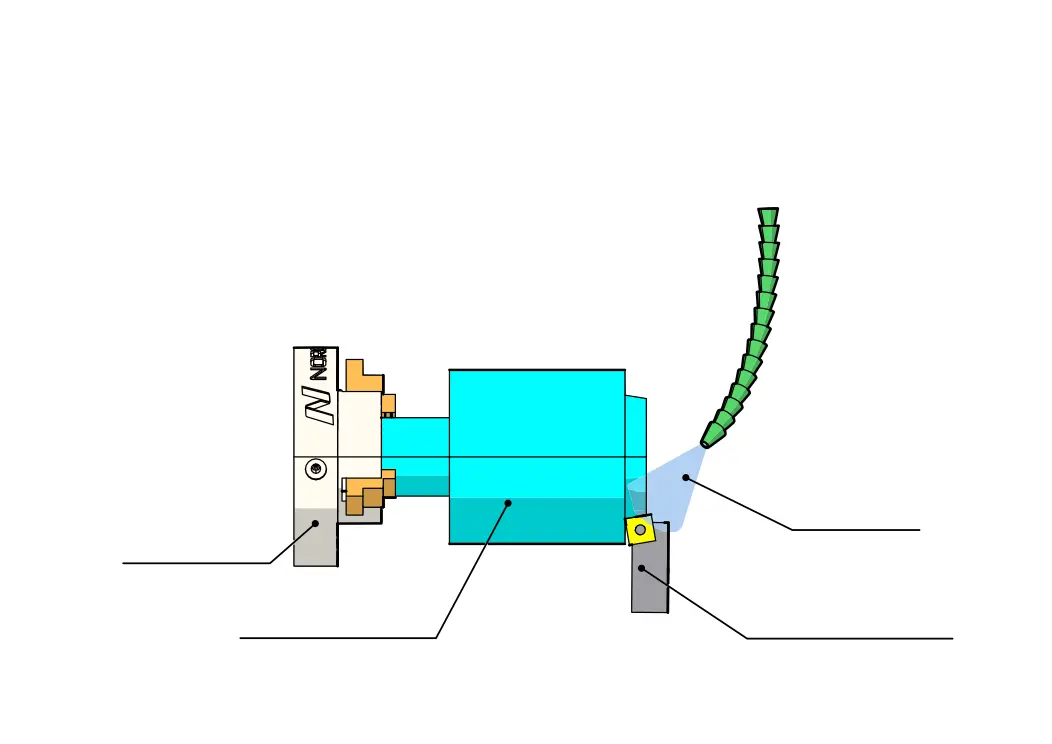
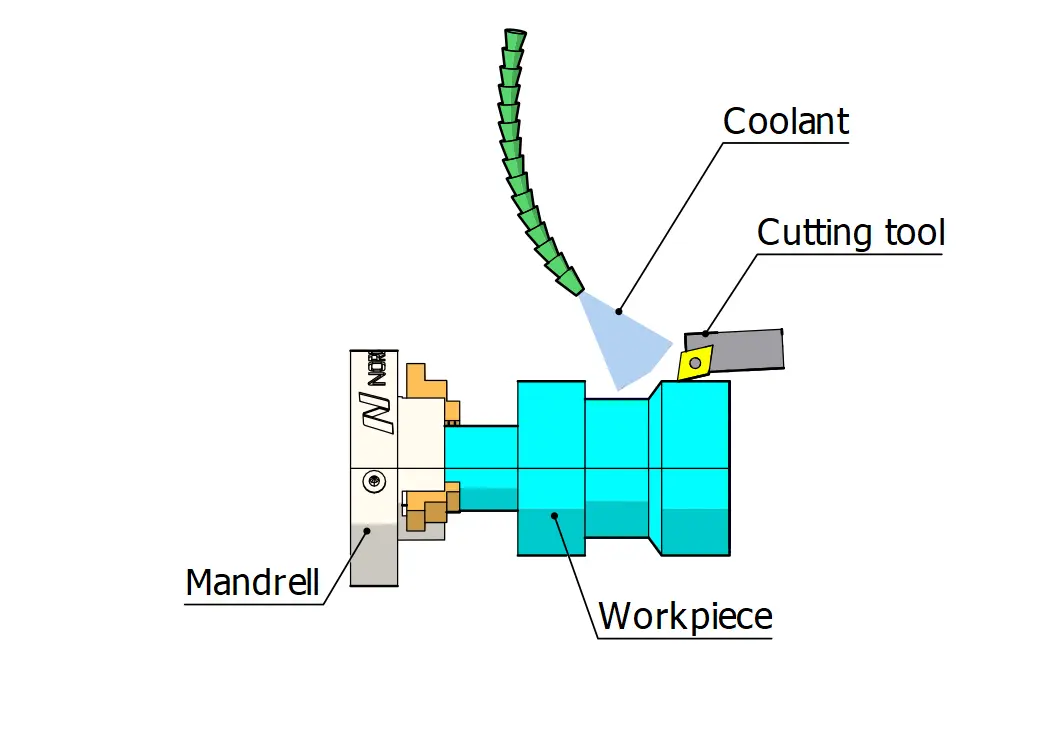
• CNC Turning: This method uses a lathe to turn workpieces at high speeds and a tool with a special shape to remove layers of material from the workpiece. The workpiece shape is generally revolutionary. If the workpiece is long enough, an extra part is used to support the weight of the workpiece.
Longitudinal turning
Facing
Forming
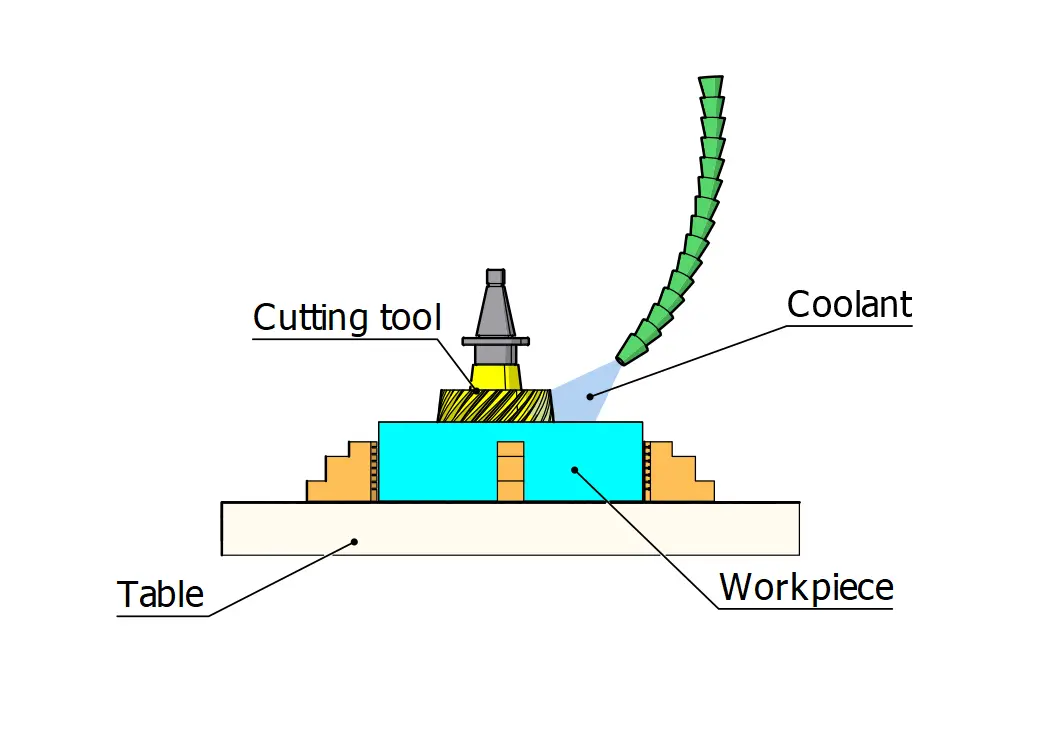
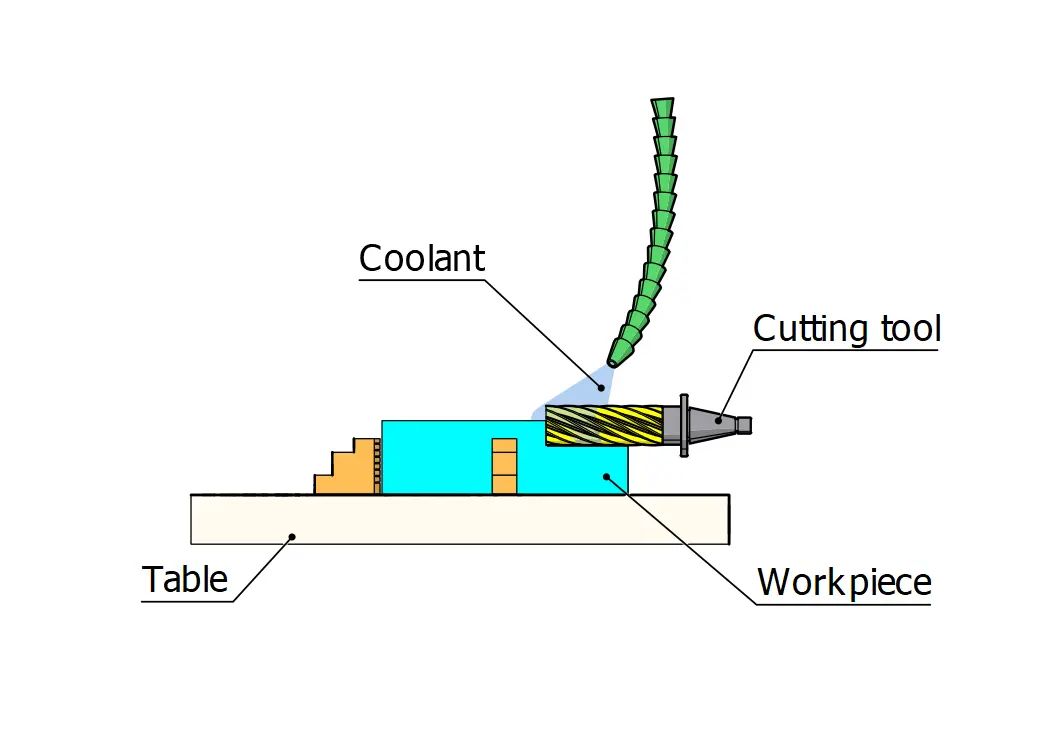
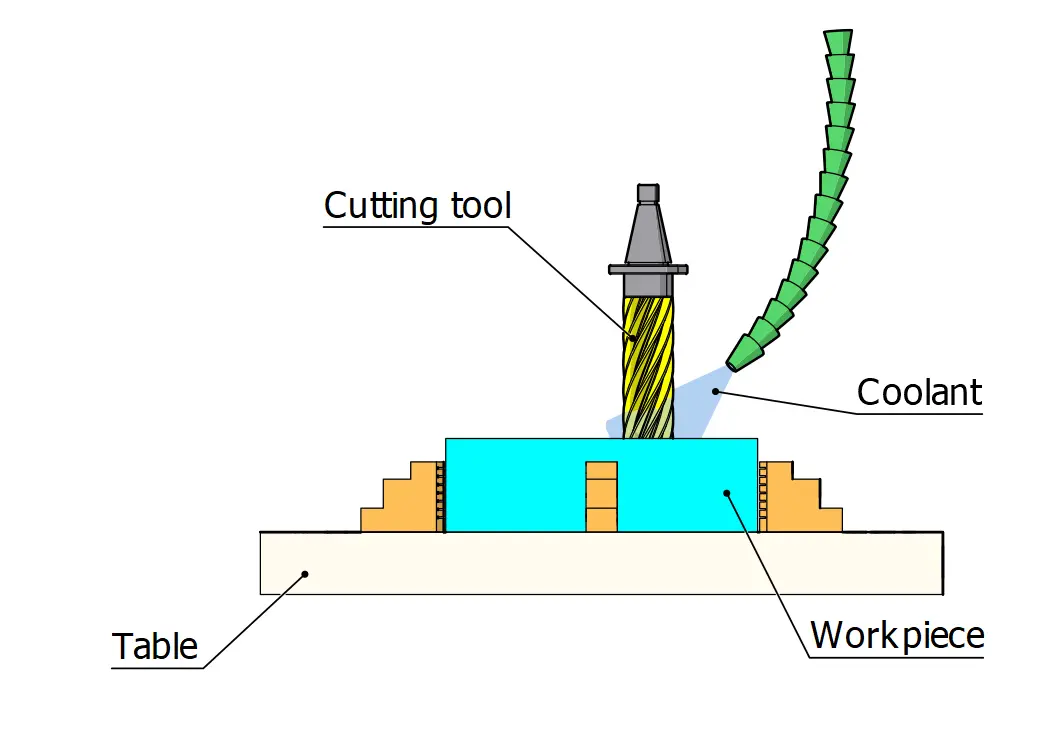
• CNC Milling:Milling is a process that uses a rotating tool to remove material from the fixed workpiece. There are two types of milling, horizontal and vertical milling.
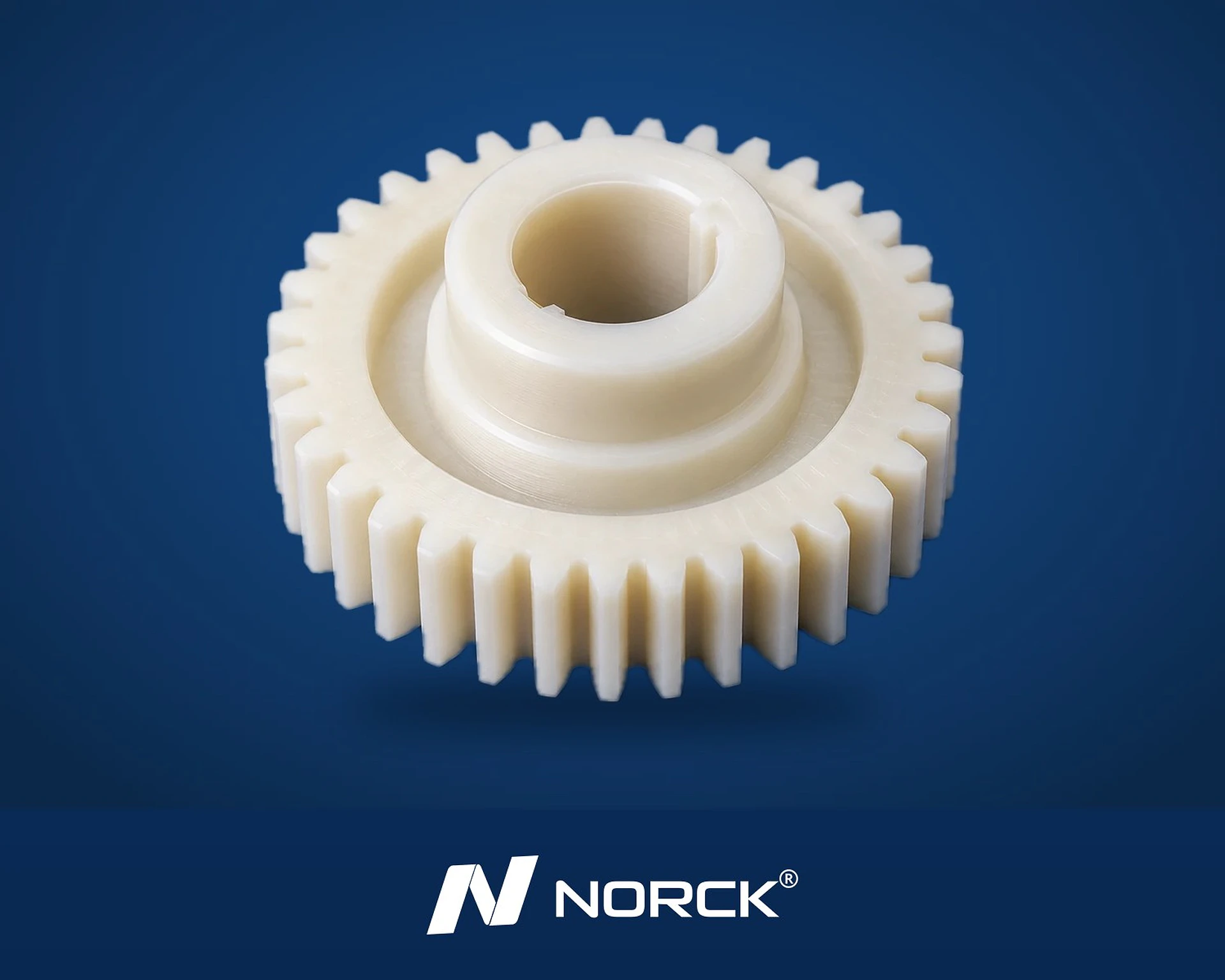
• Applications of subtractive manufacturing:It is widely used in various sectors such as Aerospace, automotive, medical, and oil and gas. It makes gears, jigs and fixtures, and elastomer seals.
• Advantages and disadvantages: + Accurate process with lower fabrication costs- Manufacturabilité is limited to simple shape
3. Formative manufacturing
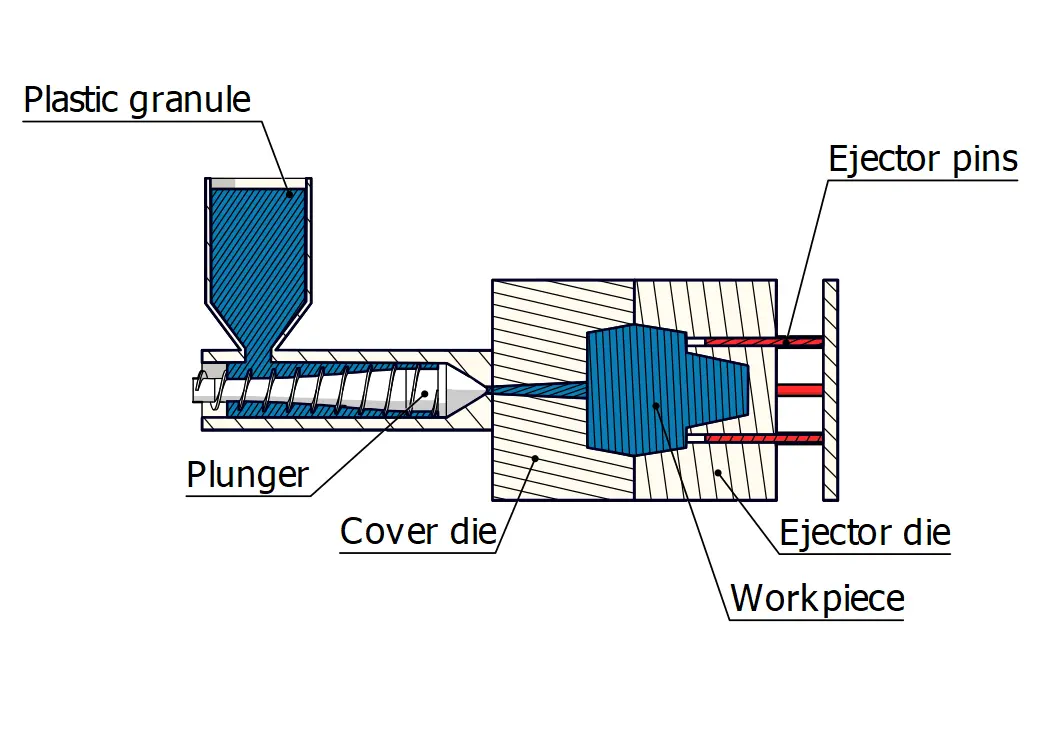
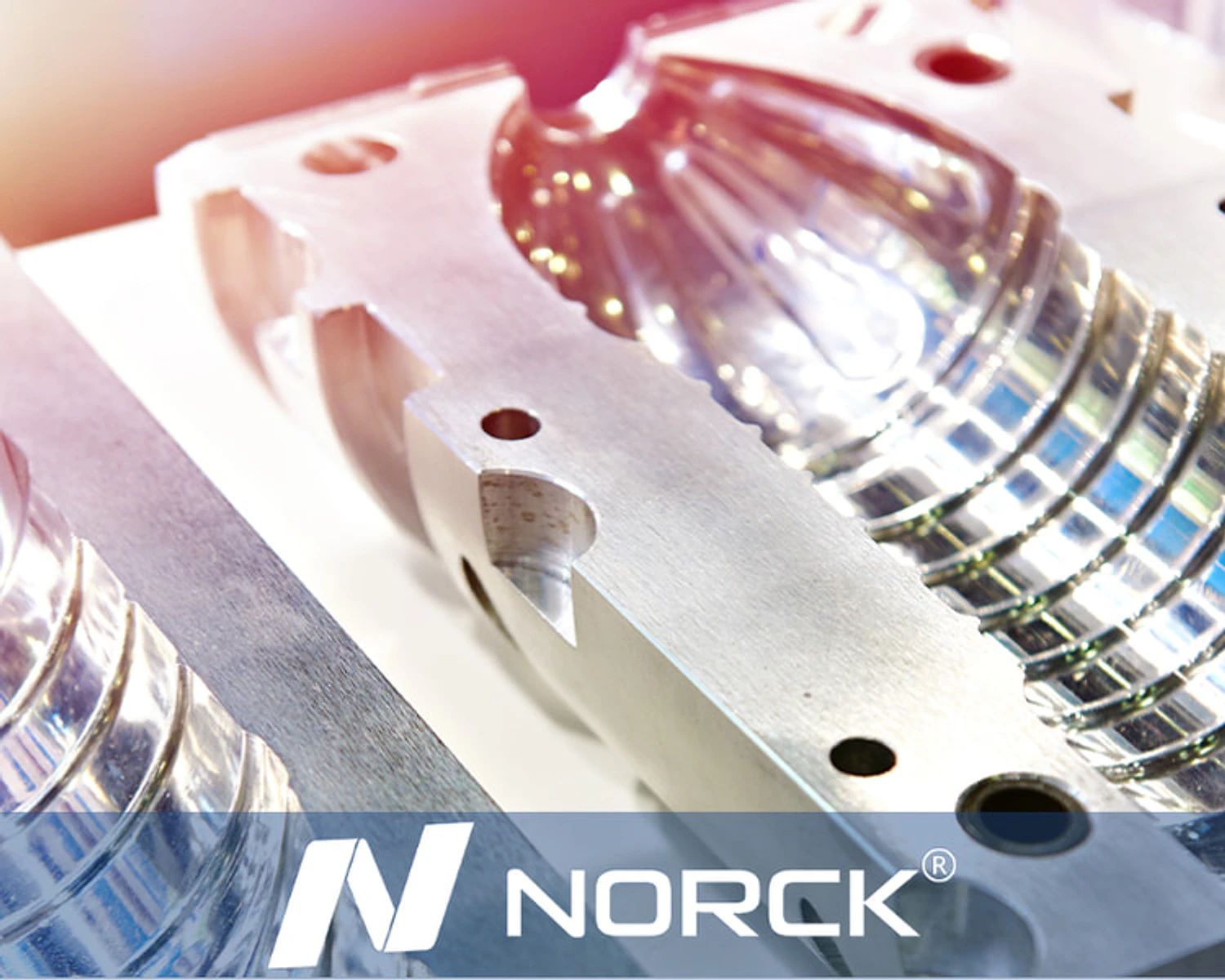
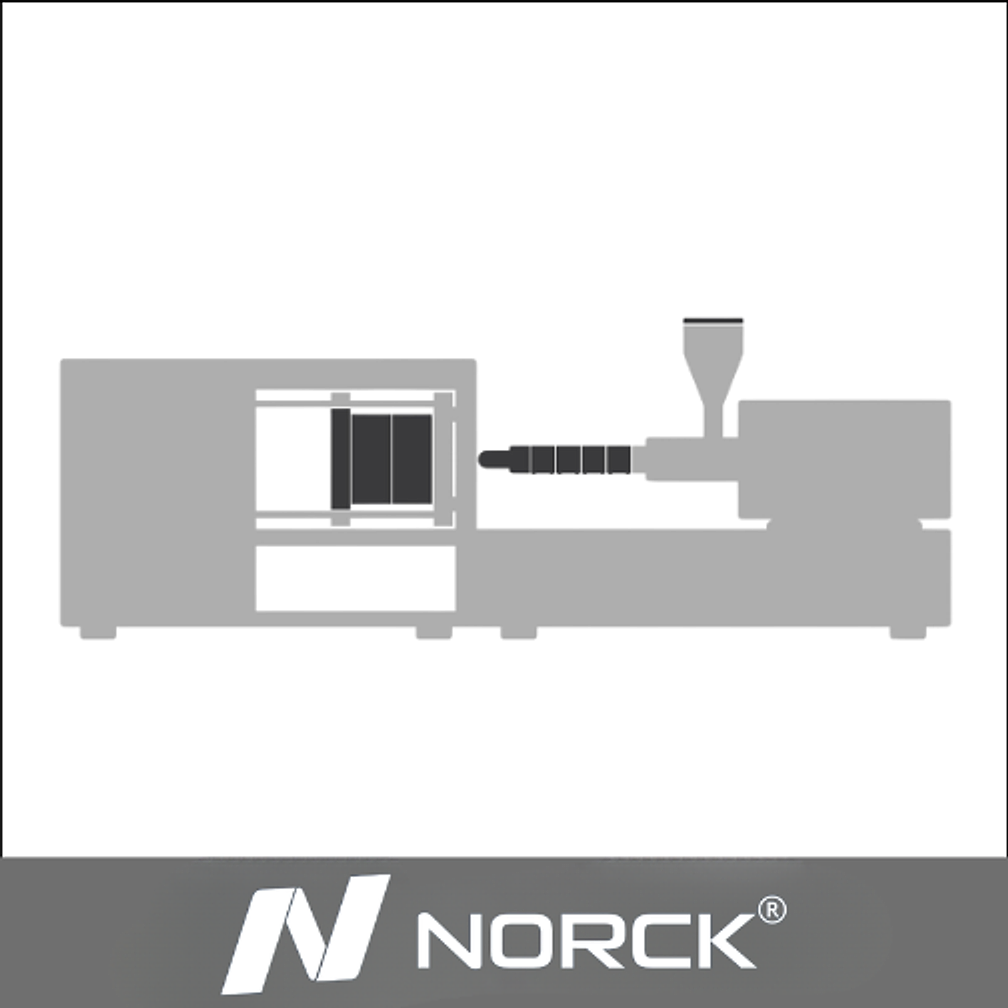
• Injection molding:In injection molding, molten plastic pellets are fed into a mold cavity under high pressure. After the plastic solidifies, the mold is opened, and the part is ejected. Mold is made from hardened steel and contains the shape of the part to be molded. The Injection molding process is used for high and medium-volume production.
Injection molding
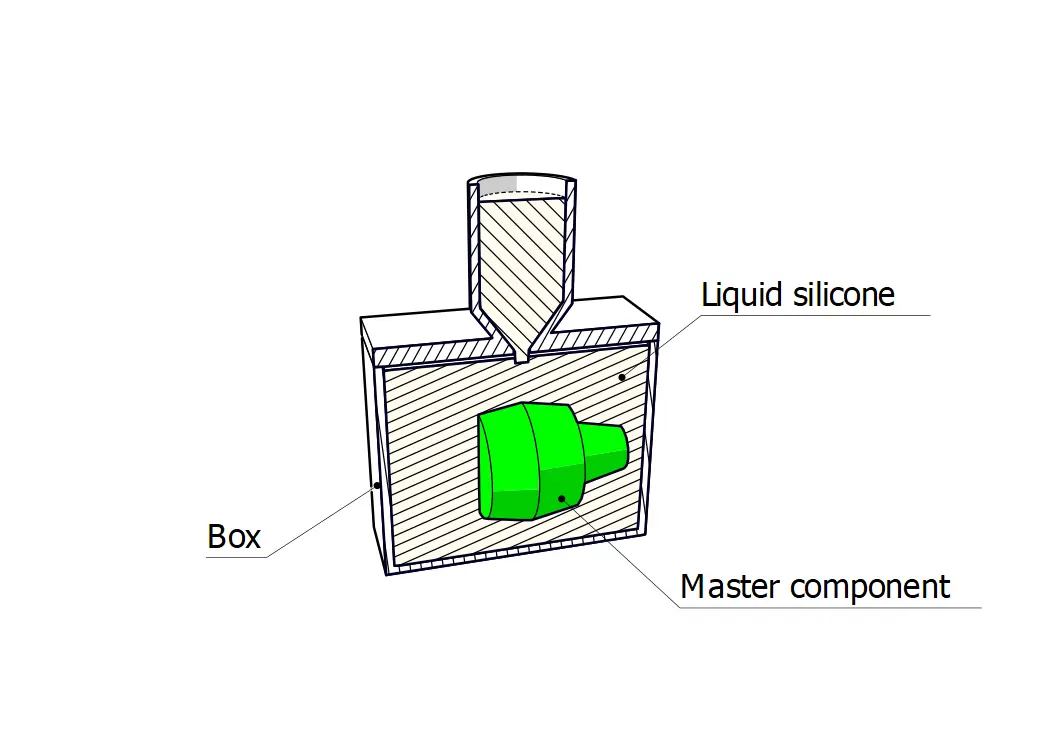
• Urethane Casting:Urethane Casting is a plastic molding process used to duplicate a master component submerged into liquid silicone. After the silicone mold solidifies, it is opened, and the master part is extracted. The mold is closed and injected with urethane, then gets heated to harden the urethane and extracted. Urethane Casting is used for low-volume production.
Urethane Casting
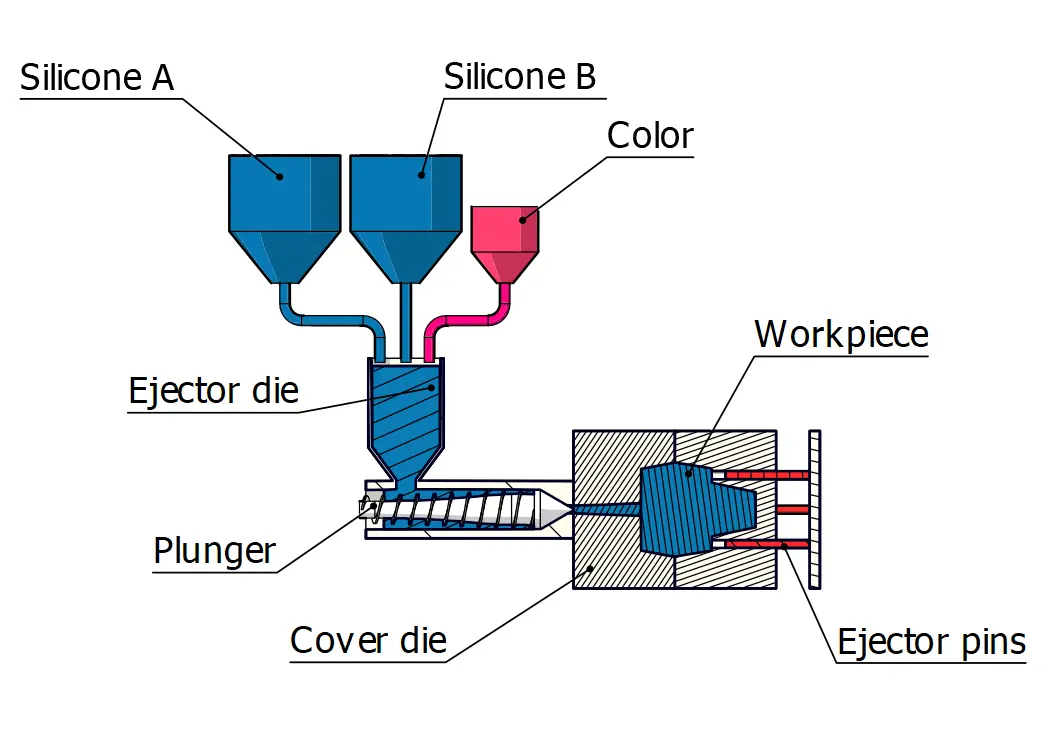
•Liquid silicone rubber molding:It is a rubber molding process that injects silicone and color into a mold, which is heated to solidify, then the part gets ejected. The mold is made from hardened steel and contains the body of the part to be molded. The liquid silicone rubber molding process is used for high and medium-volume production.
Liquid SiliconeRubber Molding
• Application:It is widely used in various sectors such as Aerospace, automotive, medical, oil, and gas. It is used to make enclosures, handles, switches, jigs, and fixtures, electronics.
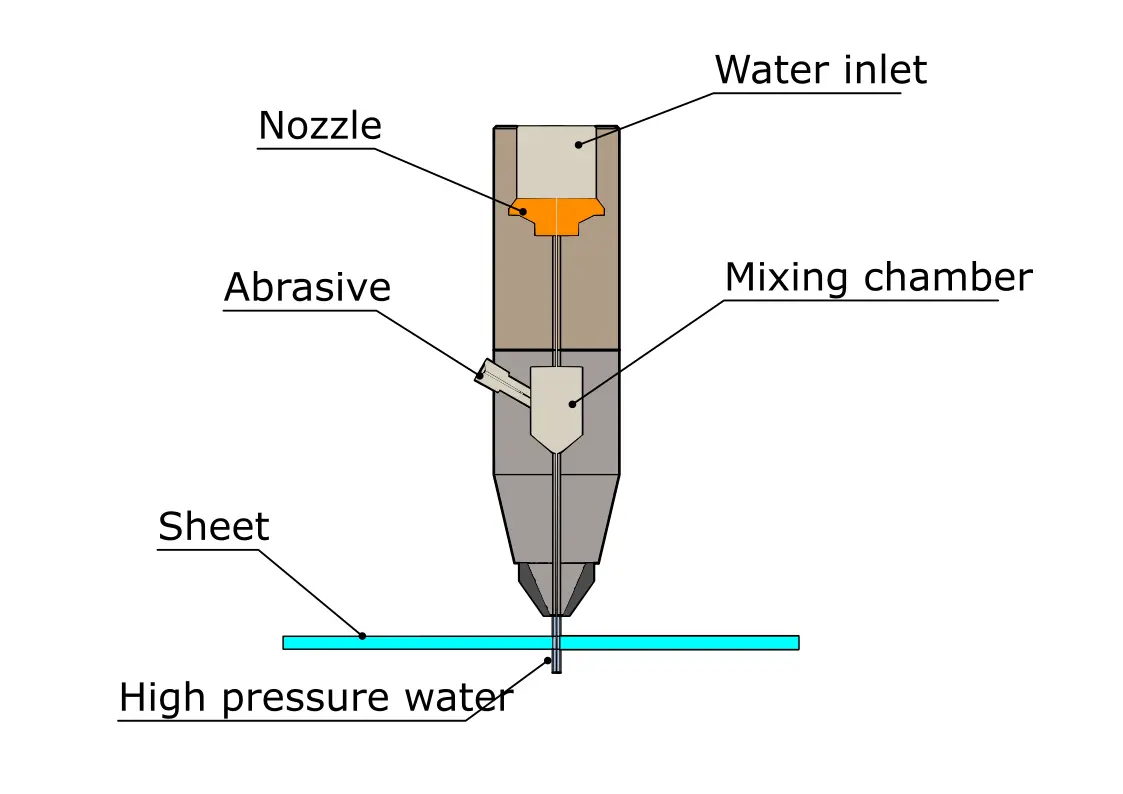
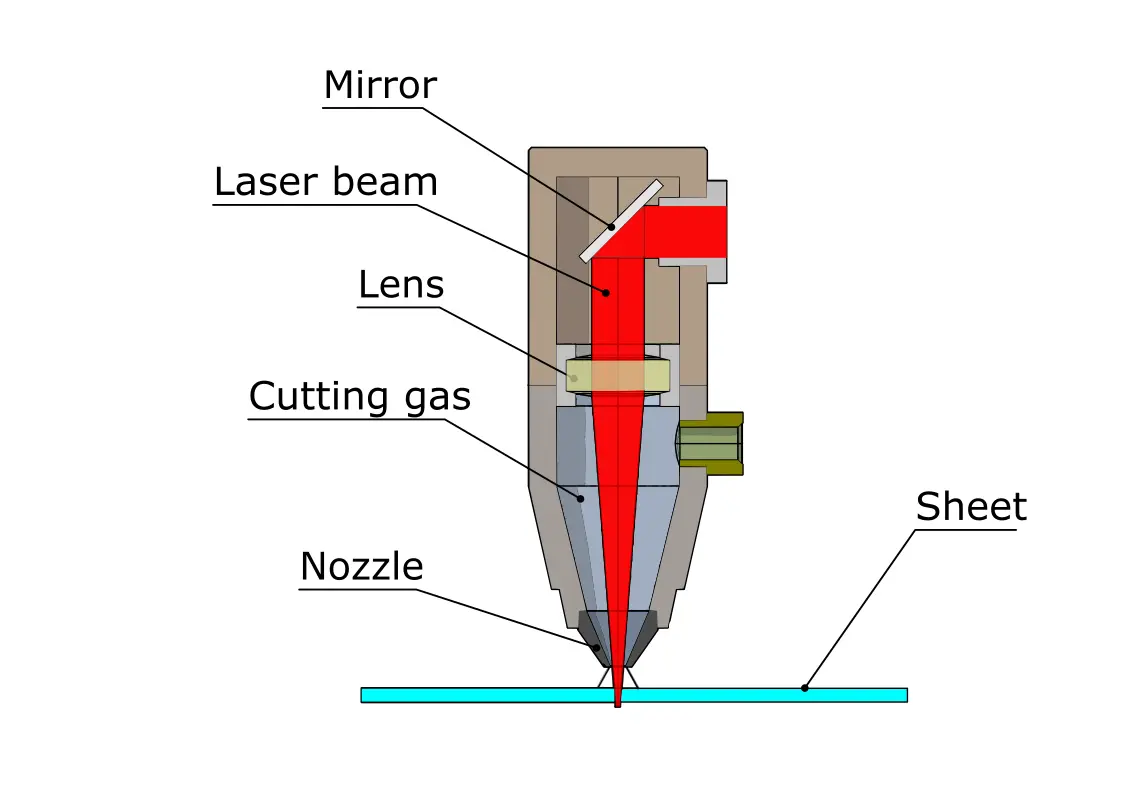
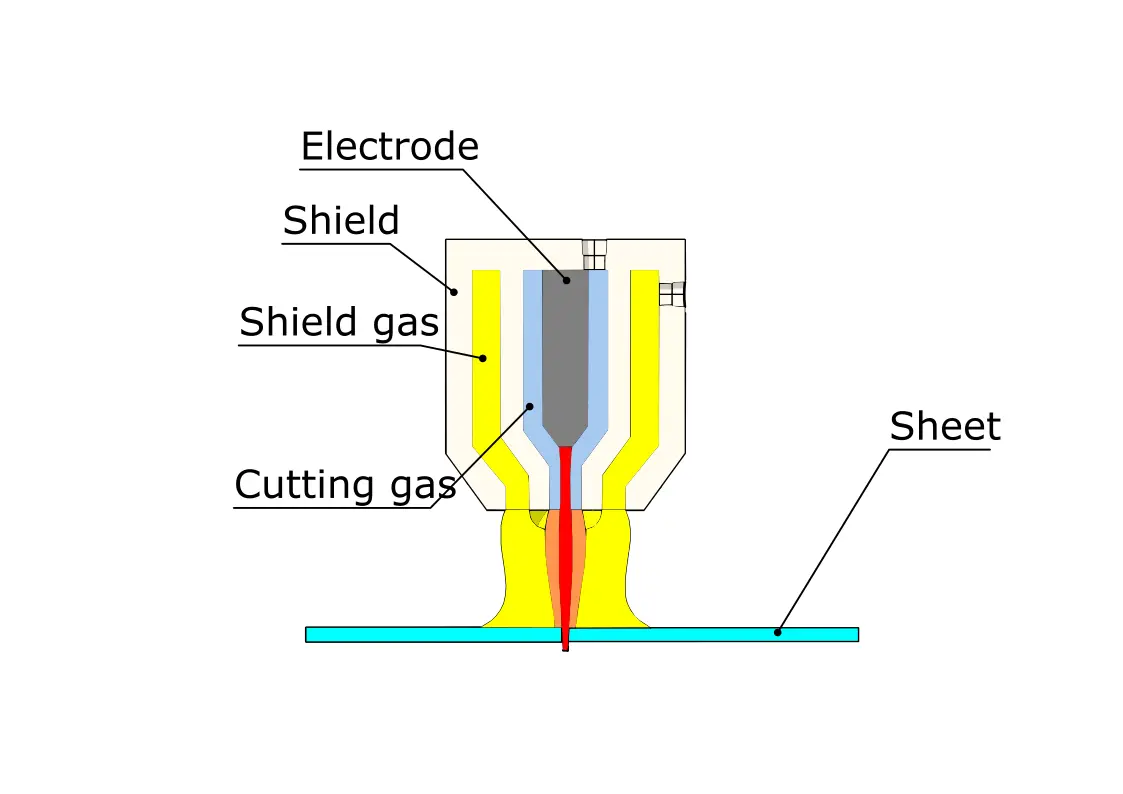
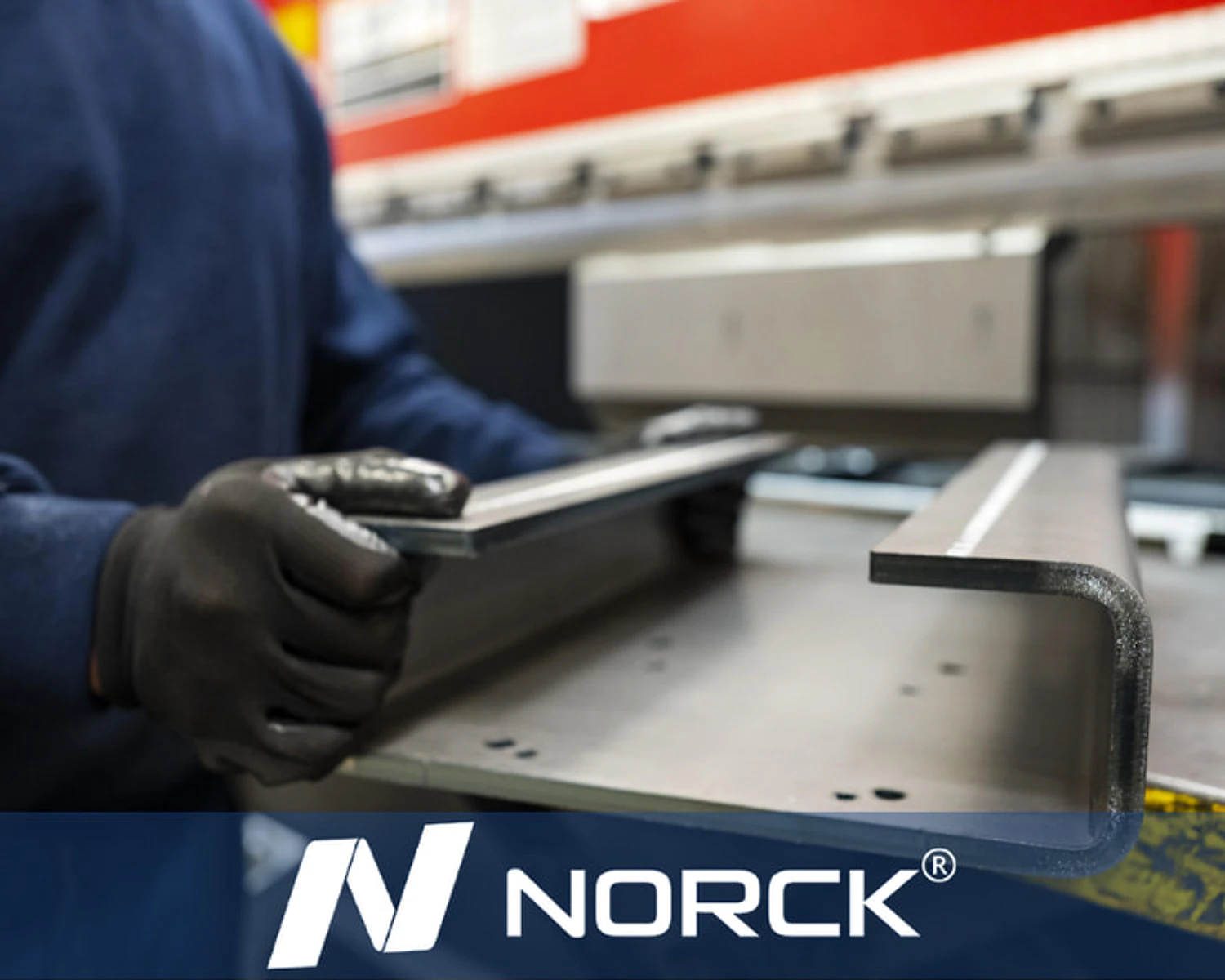
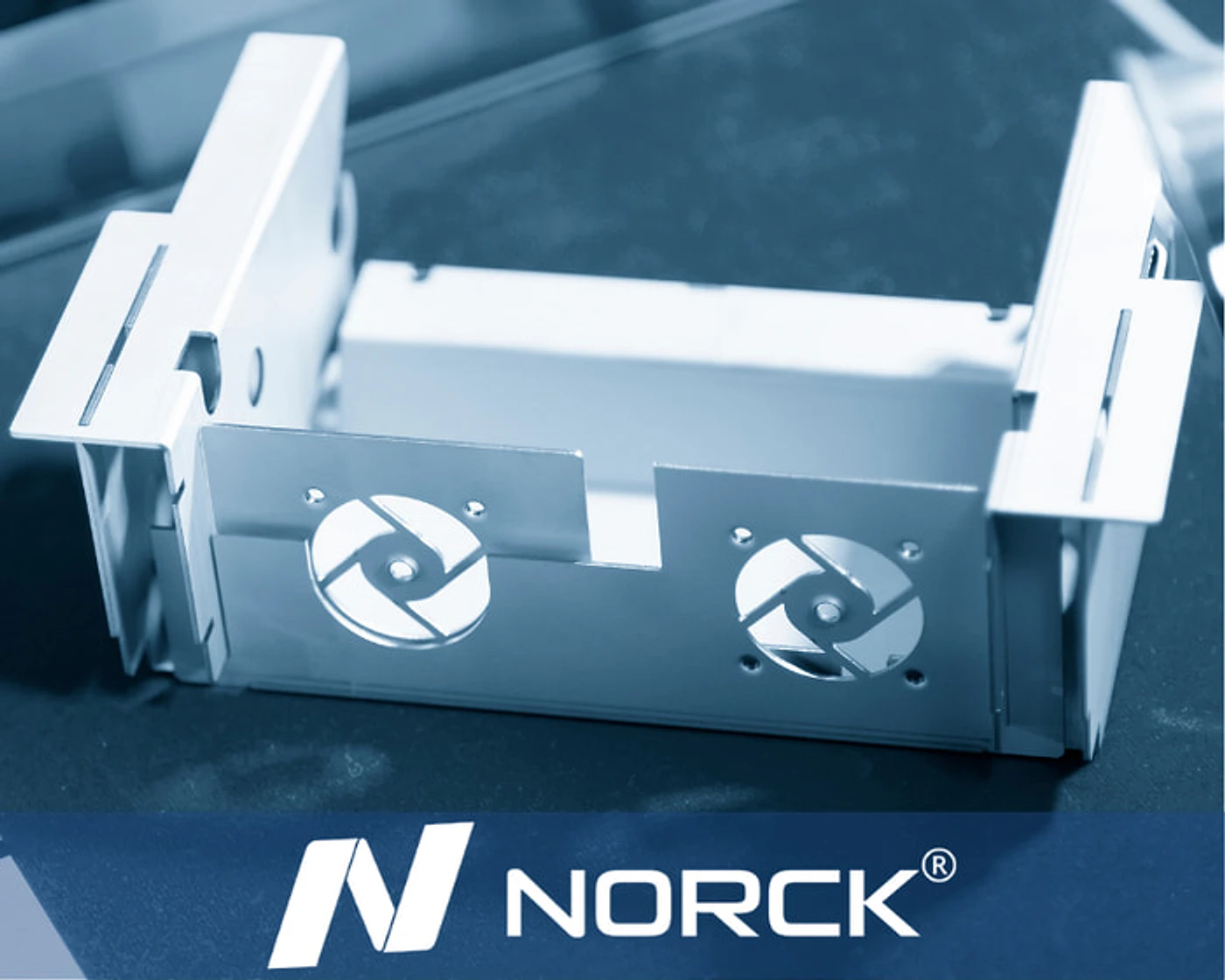
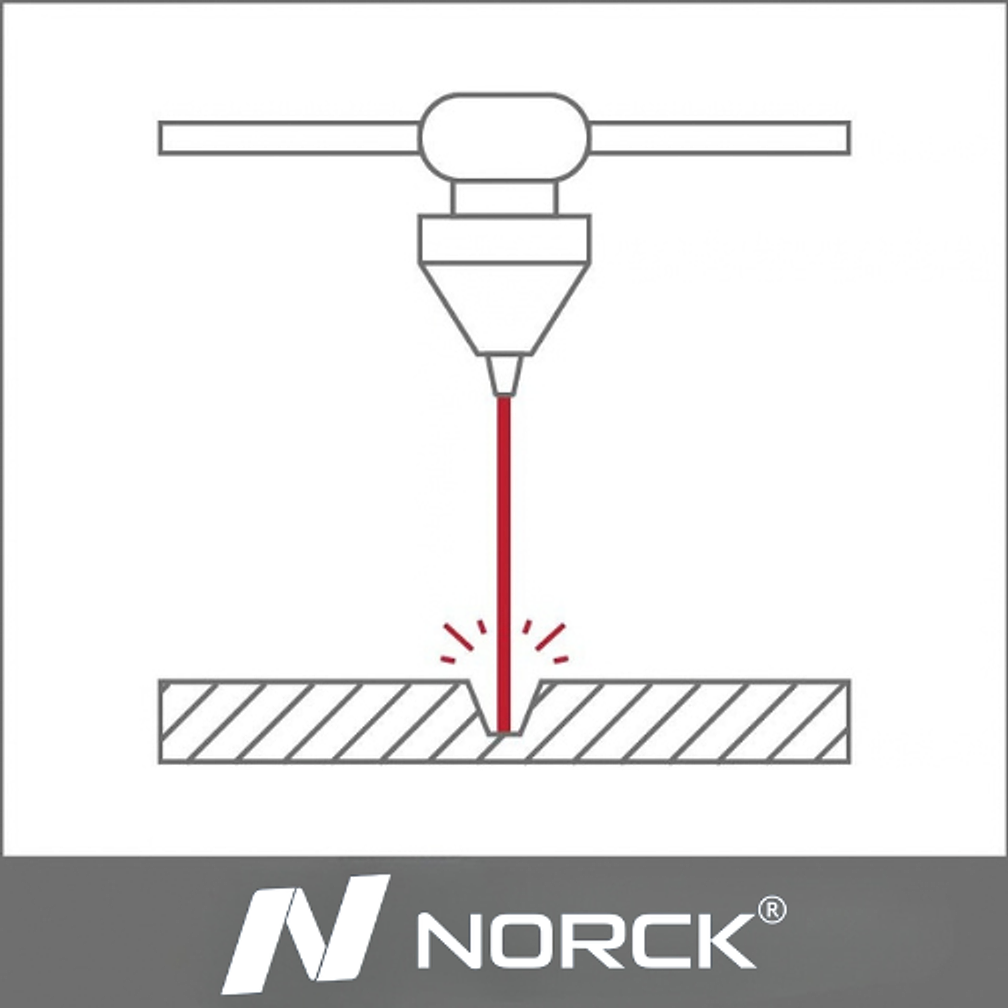
• Advantages and disadvantages: + Accurate process with a vast choice of materials and colors+ lower fabrication costs- High cost of tooling and often long cycle time• Waterjet, laser, and plasma cutting:It is a set of cutting methods that use heat or water to cut through almost any type of material to produce a part or product.
Waterjet cutting
Laser cutting
Plasma cutting
• We offer the following finishes for custom-manufactured parts:
Norck: Your Partner for Precision Custom Plastic Part Manufacturing
Expertly manufactured custom plastic parts, using CNC machining, injection molding, and 3D printing for aerospace, automotive, medical, electronics, and other high-tech sectors.
Our engineers, cutting-edge technologies, and rigorous quality processes ensure exceptional strength, dimensional accuracy, and surface quality.
Advanced plastic cnc machining for high-precision, complex geometries.
Scalable production through custom plastic injection molding and custom plastic molding processes.
Durable, high-performance custom made plastic parts tailored to exact specifications, from rapid prototyping to high-volume manufacturing.
Consistent quality, tight tolerances, and reliable results across a wide range of demanding applications.
Norck: Your Data-Driven Partner for On-Demand Manufacturing Excellence
Norck is a technology-powered manufacturing leader specializing in CNC machining, 3D printing, sheet metal fabrication, and injection molding. Our intelligent, data-driven approach ensures exceptional quality, optimized costs, and seamless supply chain management for companies worldwide.
AI-Powered Manufacturing: Smarter, faster production with optimized quality and costs.
Scalable Capacity: Reliable low to high-volume output via our U.S. and European network.
Expert Support: Engineers and data scientists ensure your designs are manufacturable and successful.
One-Stop Solution: Simplify your supply chain with streamlined, just-in-time production. Fast, Custom Plastic Parts: Easy online access to high-quality, made-to-order parts—locally or globally.
Frequently Asked Questions
1. What is custom plastic part manufacturing, and when should I choose it for my project?
Custom plastic part manufacturing is the process of producing plastic components according to customer drawings, CAD files, and technical specifications. It is the right solution when standard parts do not meet your design, performance, or application requirements. Norck manufactures custom made plastic parts for both prototype and production projects. If you have a new design, you can submit your project requirements to request a customized quotation.
2. What factors should I consider before choosing a custom plastic manufacturing solution?
When selecting a manufacturing solution, consider your part geometry, material requirements, tolerances, production quantity, and application. These factors help determine the most appropriate process for your project. Depending on your specifications, Norck can help identify a suitable custom plastic molding solution. You can share your project details with the Norck team to request a customized quotation.
3. Can Norck manufacture custom plastic parts using different manufacturing processes?
Yes. Norck manufactures custom made plastic parts according to customer drawings and technical specifications using manufacturing processes selected for your project requirements. Depending on the design and application, this may include plastic CNC machining, custom plastic injection molding, or other appropriate manufacturing methods. You can submit your drawings or CAD files to receive a customized quotation.
4. How do I choose the right manufacturing process for a custom plastic part?
The most appropriate manufacturing process depends on your design, material selection, production volume, and application requirements. Different manufacturing methods are suited to different project specifications. Norck reviews your requirements to help determine the most appropriate manufacturing solution for your custom plastic components.
5. What should I look for when choosing a custom plastic parts manufacturer?
When selecting a manufacturing partner, consider engineering expertise, manufacturing capabilities, quality standards, and the ability to manufacture components according to your drawings and specifications. Choosing an experienced custom plastic parts manufacturer helps support consistent quality from prototype through production. If you are planning a new project, you can contact the Norck team to discuss your requirements and request a customized quote.
Norck uses strictly necessary cookies to run this site. With your permission, we would also use Google Analytics to see how the site is used, and Google Ads to measure our advertising. We do not sell your data.
You can change your choices at any time under Privacy choices at the foot of every page, or by writing to info@norck.com. See the privacy statement for details.


 English
 Deutsch
 Español
 Français
 Italiano
 Nederlands
 Dansk
 Svenska
 Norsk
 Czech
 Polski
 Português