

Find the Right Material for Your CNC Machining, Sheet Metal and 3D Printing Project
At Norck, we offer a comprehensive range of high-performance materials tailored to meet the rigorous demands of modern engineering. From aerospace manufacturing services grade alloys to specialized engineering plastics and resilient elastomers, our material selection ensures optimal durability, precision, and functionality for your custom components.
1. Metals
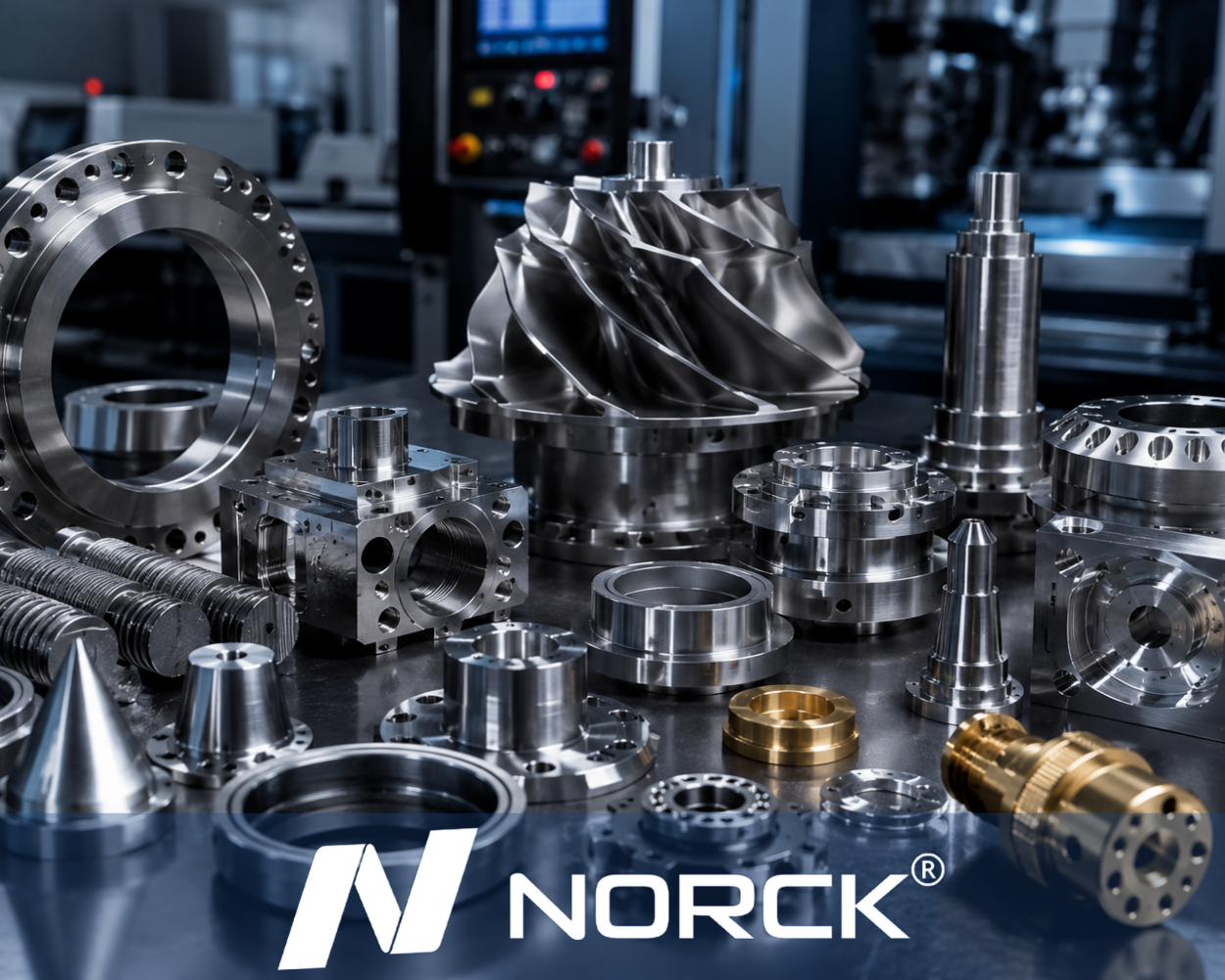
Metals form the backbone of industrial manufacturing, valued for their structural integrity, thermal conductivity, and versatility. Our selection includes everything from lightweight aluminum to ultra-hard carbides, ensuring the right mechanical properties for every application, whether it requires high-speed cutting or extreme corrosion resistance.
- Titanium: Titanium material is a superior performance metal that provides unmatched strength-to-weight ratios, corrosion resistance, and biocompatibility; it is used in titanium CNC machining, titanium machining services and custom titanium parts or precision titanium parts for aerospace, medical and high performance industrial parts.
- Tool Steel: Tool steel material is a hardenable alloy steel suitable for use in cutting tools and industrial blades, or molds; it is commonly used by a tool steel supplier, and tool steel machining can be performed to create tool steel parts or machining equipment.
- Stainless Steel: Stainless steel material is an alloy steel characterized by high corrosion resistance, it is used in stainless steel CNC machining, CNC machining stainless steel parts, stainless steel fabrication services, or custom stainless steel parts or components; it can also be used by a stainless steel parts manufacturer for food processing equipment, medical parts and industrial parts.
- High Speed Steel: High speed steel material is an alloy steel commonly used in the creation of cutting tools and machining tools, it is broadly implemented in the construction of high speed steel tools or HSS cutting tools, holding its hardness at higher temperatures to maintain industrial cutting applications in heavy machinery parts manufacturing.
- Carbide: Carbide material is typically composed of Tungsten Carbide and is highly wear resistant as it is the hardest natural occurring substance; it is extensively implemented in Tungsten carbide parts, carbide cutting tools and Carbide inserts created by a carbide inserts manufacturer.
- Steel Alloy: Steel alloy material is a composition of iron and other materials designed to enhance its strength and durability; it is used in alloy steel machining and alloy steel fabrication for industrial components, structural parts and heavy machinery parts.
- Spring Steel: Spring steel material is designed for high elasticity and fatigue resistance, and is broadly applied in spring steel parts or spring steel fabrication for automobile systems and industrial mechanical assemblies.
- Aluminum: Aluminum material is a metal with an optimal combination of machinability and corrosion resistance; it is broadly implemented in aluminum CNC machining, custom aluminum parts, or precision aluminum parts for use in aerospace, electronic components and lightweight industrial parts.
- Cold Rolled Steel: Cold rolled steel material provides a superior surface finish and dimensional accuracy; it is commonly used in cold rolled steel sheet, or cold rolled steel parts for industrial and precision metal fabrication components.
- Pre-Plated Steel: Pre-plated steel material has a plating of a metal such as zinc over steel to increase corrosion resistance and is applied to create pre-plated steel components, metal coatings and industrial sheet metal parts.
- Brass: Brass material is a copper-zinc alloy with the characteristics of excellent machinability and conductivity, making it popular in brass CNC machining, brass machining services and the production of custom brass parts or precision brass components; it is frequently utilized by a brass fittings manufacturer for creation of valves and fittings and electronic components.
- Zinc: Zinc material is widely used in zinc die casting and the creation of industrial components requiring corrosion resistance, while zinc die casting manufacturers create highly precision parts with plated metal components for use in automobile systems and electronics.
- Magnesium: Magnesium material is one of the lightest structural metals and as such, used in high tech applications; it is widely implemented in magnesium CNC machining, custom magnesium parts and provided by a magnesium parts manufacturer for creation of lightweight industrial components or aircraft applications.
- Copper: Copper material is the most electrically and thermally conductive of all the base metals, and is broadly implemented in copper CNC machining, copper machining services and the creation of custom copper parts for electrical connections and high performance electrical parts, or for heat exchangers.
2. Plastics
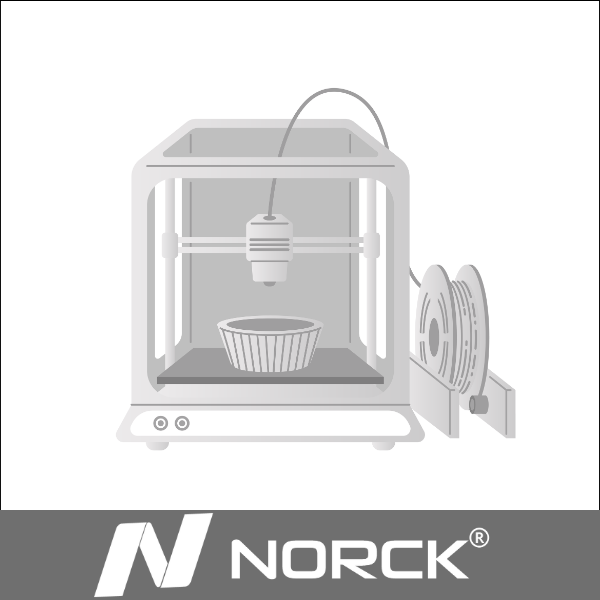
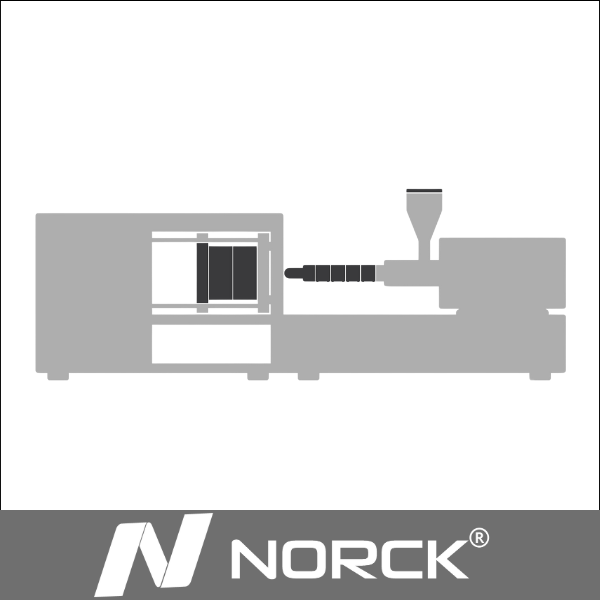
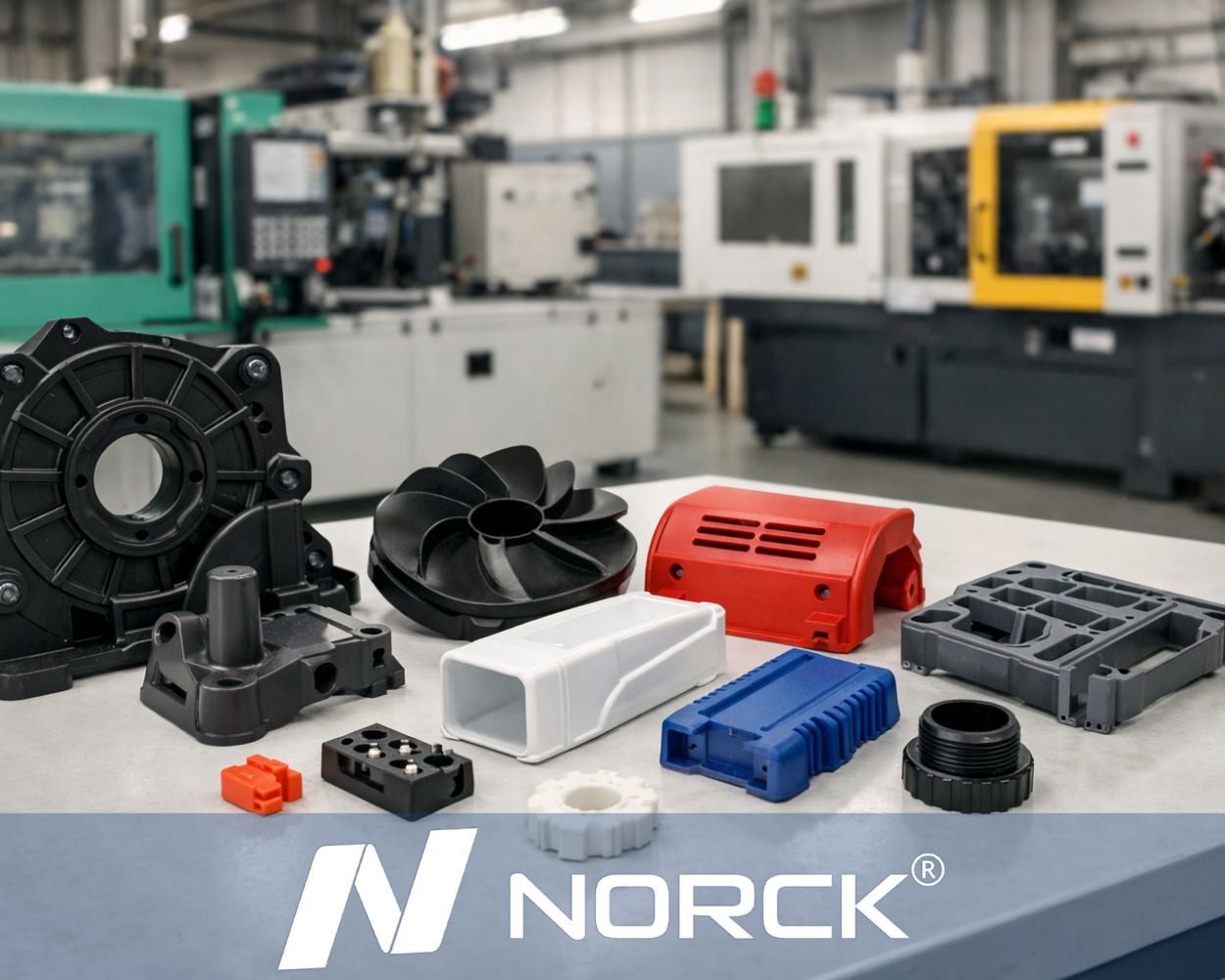
Engineering plastics offer a diverse range of properties, including chemical resistance, low friction, and exceptional strength-to-weight ratios. This category covers advanced thermoplastics used in high-precision CNC machining, injection molding, and 3D printing to create everything from medical components to complex mechanical gears.
- Delrin (POM): Delrin material also known as POM plastic is an engineering thermoplastic having high stiffness, low friction and high dimensional stability. Delrin CNC machining and custom delrin parts are utilized to produce high-precision plastic gears, bearings, bushings and mechanical parts for machinery and automotives and industrial machinery applications.
- PEEK: PEEK material is a high performance thermoplastic with superior chemical resistance and heat and temperature resistance. PEEK CNC machining is extensively used for aerospace parts, medical parts, medical components, and aerospace plastic components for industrial applications.
- ABS: ABS material is an engineering thermoplastic that widely uses ABS 3D printing, ABS injection molding and ABS CNC machining applications. ABS plastic is ideal for functional prototypes, industrial enclosures, and automotives parts and injection molded plastic parts.
- ABS Like: ABS-like material is an engineering resin that uses plastic applications in 3D printing and rapid prototypes application, ABS like material imitates the ABS plastic strength and surface quality and surface finish for rapid prototyping applications and prototype development.
- ABS/PC: ABS PC material provides ABS part impact resistance and PC heat resistance and is widely utilized for automotives parts, electronic housing and injected plastic parts for industrial manufacturing and injection molded components.
- CPVC: CPVC material is a thermoplastic that has heat resistance and is chemical stable for CPVC plastic components that are used for industrial pipings and piping parts and chemical processing industry and industrial piping systems.
- HDPE: HDPE material is an engineering plastic with a polyethylene composition that provides high impact resistance and chemical resistance. HDPE CNC machining is commonly used for industrial containers, industrial plastic liners, conveyor parts and industrial piping components and industrial plastic components.
- LCP: LCP material which stands for liquid crystal polymer is a high performance plastic with exceptional dimensional stability and heat resistance. LCP plastic is widely utilized for electronic connector and micro parts and electronic plastic parts and precision electronic components.
- LDPE: LDPE is an engineering plastic that provide impact and chemical resistance. LDPE plastic components are utilized for industrial packaging materials, packaging, tubing and pipings.
- PC (Polycarbonate): PC material known as polycarbonate is an engineering thermoplastic that offer impact resistance and clarity. PC machining is widely used for protective cover, lenses, and optical lenses for electronics applications and electronic housings.
- PC Like: PC like material is a photopolymer resin developed for high strength and clarity plastic parts in 3D printing application. It is utilized in additive manufacturing and rapid prototype application and 3D printing applications.
- PP (Polypropylene): PP material or polypropylene is an engineering plastic that offers great fatigue, chemical resistance and durability for plastic part applications in the automotive industry. Polypropylene CNC machining and injection molding for injection molded parts and food containers.
- PP Like: PP like material provides low flexibility, high chemical and fatigue resistance for prototype plastic parts and prototype components. It is utilized in additive manufacturing and prototype application and functional prototypes.
- PVC: PVC material is an engineering plastic that provides high chemical resistance and is also well known for its electrical insulation properties. PVC plastic components used for industrial pipings components and industrial piping components.
- PPS: PPS material or Polyphenylene Sulfide is a high temperature plastic component used for high-stress application where resistance to chemicals and high temperature are needed. PPS plastic component applications includes: automotives and industrial manufacturing machinery parts and industrial machinery.
- PS: PS material or Polystyrene is a commonly utilized engineering plastic that is easy to fabricate and paint. PS plastics are used for consumer parts, consumer products, and molded parts using plastic fabrication techniques.
- PSU: PSU material is an engineering plastic that provides superior thermal stability and chemical resistance. PSU plastic components are widely utilized in medical and filtration system applications and medical equipment.
- PEI: PEI material, known as Polyetherimide has an exceptional heat, and flame resistance. PEI CNC machining parts are used in high-performance industrial application and aerospace application and aerospace components.
- PET: PET material or Polyethylene Terephthalate offers high strength and is chemical resistant, it also utilizes PET plastic injection molding processes, PET 3D printing. It is widely used for the consumer package industry, food containers, and PET components for mechanical parts.
- PETG: PETG material has high strength, clarity, toughness and is chemically resistance. PETG 3D printing and PETG injection molding applications in food packaging, display parts and medical packaging parts and medical packaging materials.
- PMMA (Acrylic): PMMA material or Acrylic plastic is a transparent plastic that is used for display panels and precision plastic components in optics industries. PMMA machining application includes display screen, optical lenses, and optics lens.
- PTFE (Teflon): PTFE material is a fluoropolymer plastic component, known for its high level of chemical resistance and low friction for demanding application. PTFE CNC machining for sealing applications such as gaskets, seals and O-rings and PTFE parts manufacturer solutions.
- UHMW: UHMW material is a highly durable engineering plastic used in wear resistance plastic part applications and conveyor components for industrial industry. UHMW machining is utilized for conveyor plastic parts and wear resistant plastic components and industrial liners.
- Nylon (PA): Nylon material known as polyamide plastic provides excellent wear resistance and is easy to machine for industrial parts such as gears, bushings and bearings plastic components in automotive and manufacturing parts. Nylon CNC machining for plastic mechanical components and custom nylon parts.
3. Elastomer & Liquid Silicone
Elastomers and silicones are essential for applications requiring flexibility, sealing, and vibration damping. This category highlights materials designed for extreme environments, ranging from biocompatible liquid silicone for medical devices to high-durability thermoplastic elastomers for automotive and consumer electronics.
- Silicone: Silicone material is a unique thermoset elastomer that is flexible and composed of a special material known for its good heat resistance, chemical inertness and elasticity. Custom silicone components and other silicone rubber parts commonly find applications in either the medical manufacturing or industrial manufacturing industry. Medical silicone components are used in various applications from seals and gaskets to other important flexible parts in the medical industry due to their dependability and performance. Silicone is also used in the industrial manufacturing field for high temperature silicone parts and chemically resistant silicone components to be able to withstand extreme application environments.
- LSR (Liquid Silicone Rubber): Liquid Silicone Rubber (LSR) material is a type of high-purity elastomer commonly used in precision injection molding, LSR injection molding. LSR silicone components, liquid silicone rubber components, and custom molded silicone components are common in the medical device/medical manufacturing and high-performance flexible components. Silicone components like the seals and gaskets are perfect with the LSR as it delivers superior consistency and accuracy.
- TPE (Thermoplastic Elastomer): TPE (Thermoplastic Elastomer) material provides the elasticity of rubber along with the processing of plastic. TPE components, thermoplastic elastomer products and custom TPE components are used extensively in the manufacturing of Automotive components, consumer products and industrial components. It has superior elasticity, making it suitable for a variety of flexible components and protective parts, soft-touch surfaces & multi-material manufacturing.
- TPU (Thermoplastic Polyurethane): TPU material is a robust elastomer with excellent abrasion resistance, mechanical properties and physical strength. Components and bespoke TPU components made from thermoplastic polyurethane are commonly employed in automotive components, industrial components and protective parts. TPU is best used for high-performance robust flexible components and components that need high levels of reliability in industrial engineering and manufacturing environments.
4. Composites
Composite materials represent the cutting edge of engineering, combining İtwo or more constituent materials to achieve physical properties that no single material can provide alone. At Norck, we utilize these advanced materials to deliver solutions where extreme strength, lightweight performance, and high-impact resistance are critical. Our expertise in composite manufacturing allows us to deliver high-quality carbon fiber products and specialized components for the most demanding industries.
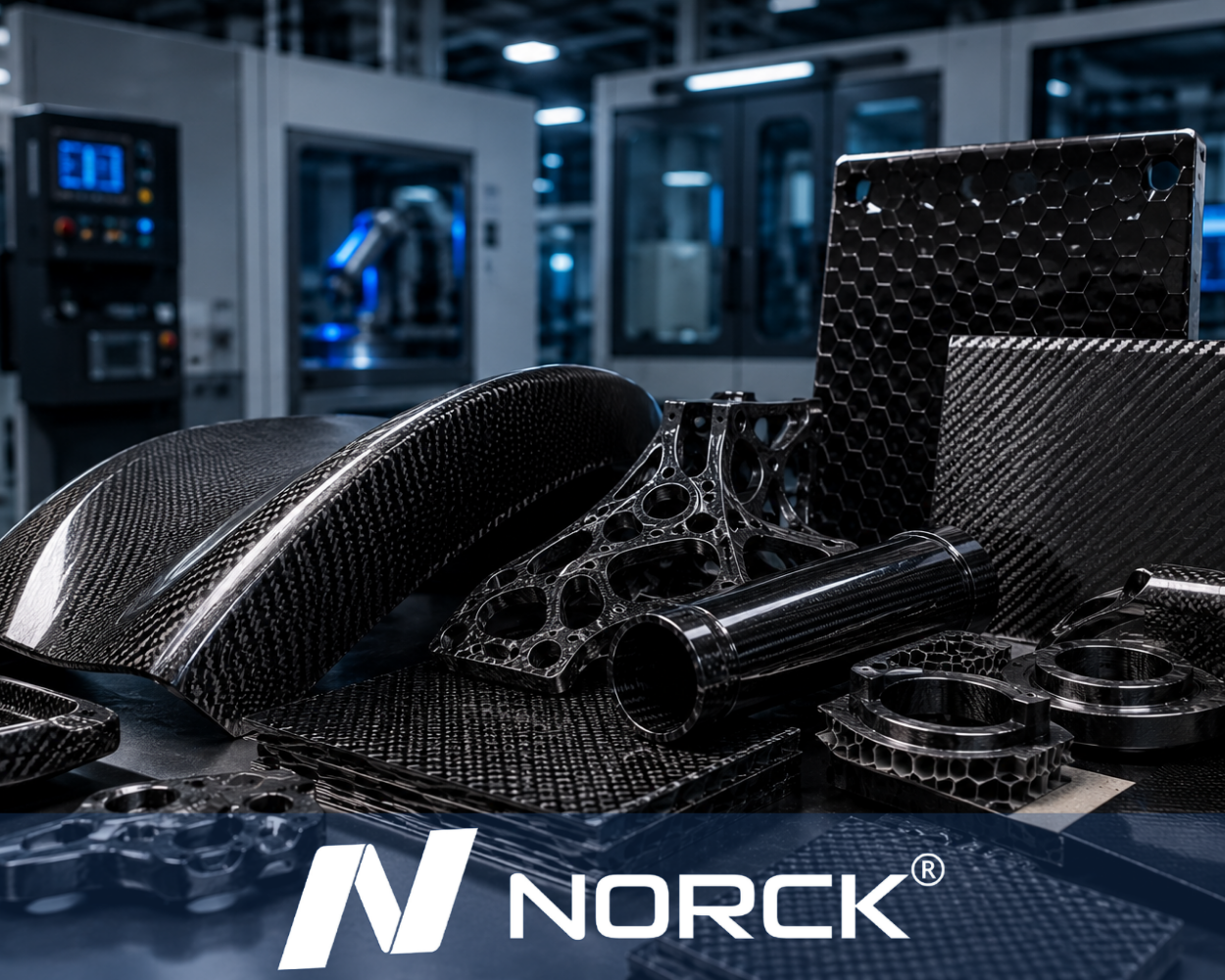
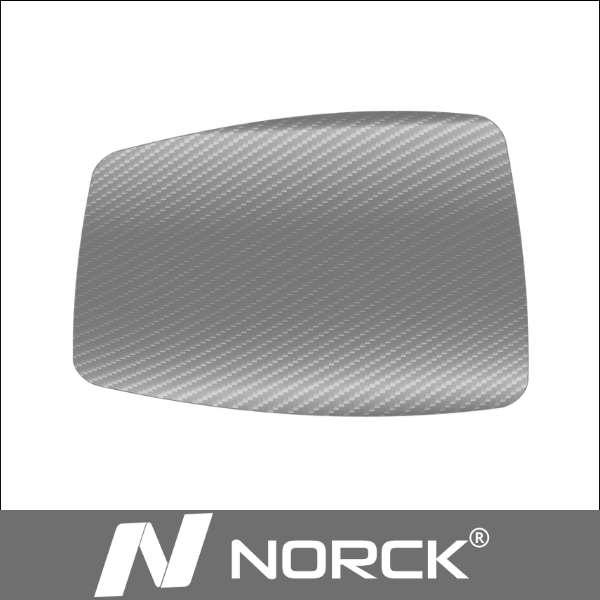
- Carbon Fiber Reinforced Polymer (CFRP): CFRP is a high-performance material renowned for its exceptional strength-to-weight ratio and rigidity. As leading carbon fiber suppliers, we offer precision-engineered custom carbon fiber parts designed for aerospace, automotive, and sporting goods where weight reduction and structural integrity are paramount.
- Glass Fiber Reinforced Polymer (GFRP/Fiberglass): GFRP, commonly known as fiberglass, provides excellent durability, electrical insulation, and corrosion resistance at a lower cost than carbon fiber. It is widely used in the production of lightweight structural panels, marine components, and industrial enclosures that require high impact strength.
- Aramid/Kevlar Fiber Reinforced Plastics (AFRP): Aramid reinforced plastics are characterized by their incredible toughness and resistance to heat and abrasion. AFRP is the material of choice for high-impact applications, such as ballistic protection, specialized aerospace components, and protective gear where energy absorption is vital.
- Metal Matrix Composites (MMCs): MMCs combine a metallic base with reinforcing fibers or particles to enhance properties like thermal conductivity, wear resistance, and stiffness. These composites are frequently implemented in high-temperature environments and advanced mechanical systems, including engine components and high-performance braking systems.

Norck is certified with the ISO 9001:2015 quality management system, showcasing its dedication to excellence. Key aspects include:
- International Standards: Ensuring all processes align with globally recognized quality benchmarks.
- Customer-Centric Approach: Prioritizing customer satisfaction through consistent and reliable service.
- Continuous Improvement: Emphasizing the optimization of operations and workflows.
- Operational Excellence: Maintaining efficiency and reliability in all activities.
This certification reflects Norck’s ongoing commitment to quality and performance.
Click here to view Norck's ISO certification.

OUR SERVICES
English