 English
 Deutsch
 Español
 Français
 Italiano
 Nederlands
 Dansk
 Svenska
 Norsk
 Czech
 Polski
 Português
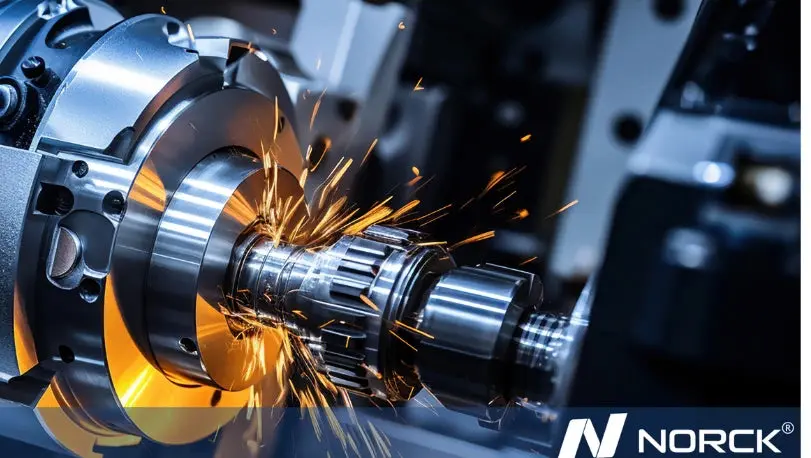
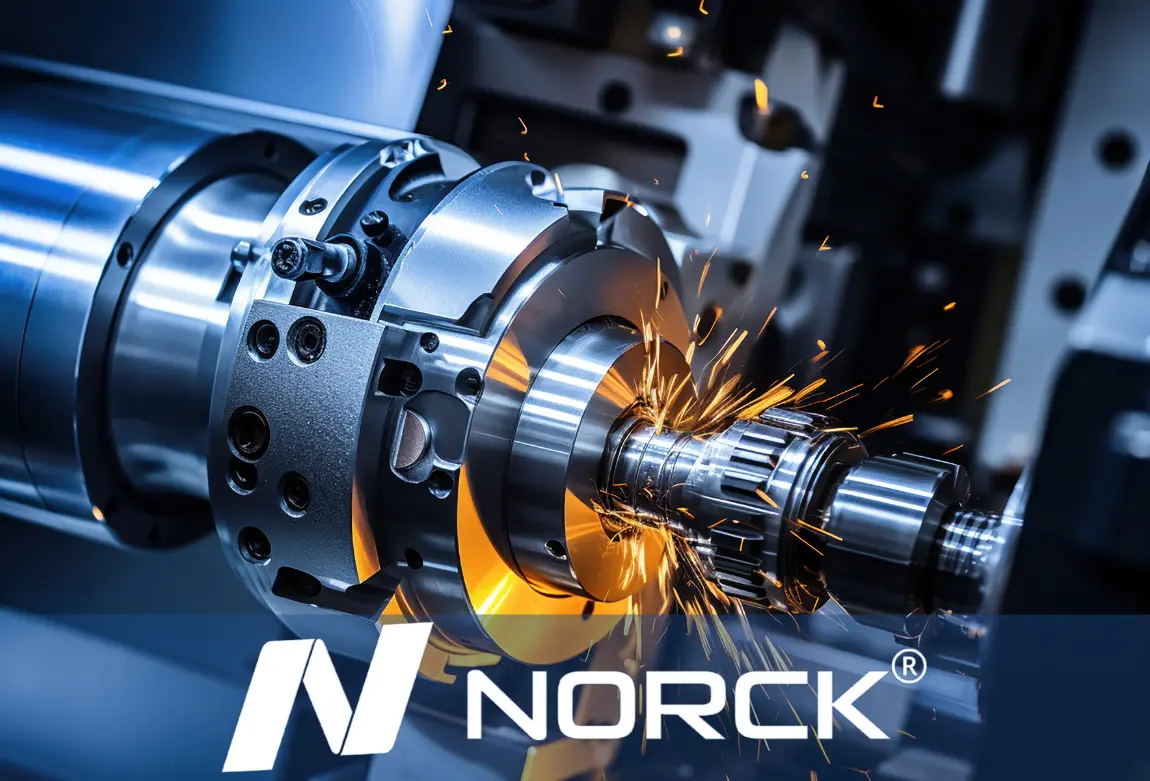
Top CNC Machining Tools Advancements Transforming Manufacturing in 2026
The latest innovations in CNC machining technology are changing how parts are designed, cut and checked. Across the machine tool industry, AI, automation and precision cutting tools now deliver faster cycles, tighter tolerances and less waste. Europe remains a key player, producing around 32.8% of the world's machine tools in 2024 (CECIMO).
Below are ten advancements that matter most for engineers and buyers in Europe and the US.
Table of Contents
- Artificial Intelligence (AI) and Machine Learning
- Automation and Robotics in CNC Machining
- CNC + Robot Autonomous Cells
- Multi-Axis CNC Machines
- Advanced CNC Cutting Tools
- In-Machine Inspection and Probing
- Digital Twins and Simulation
- Custom CNC Machining and Personalisation
- Additive Manufacturing Integration with CNC
- Sustainable and Energy-Efficient Machining
- Conclusion
- Frequently Asked Questions
1. Artificial Intelligence (AI) and Machine Learning
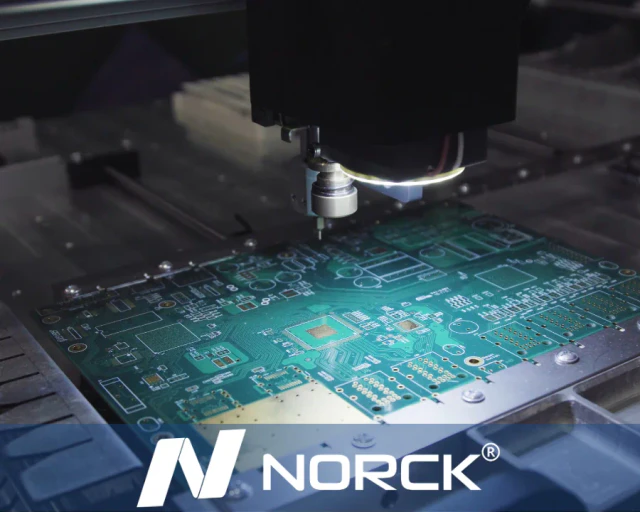
AI-enabled CNC machines learn from past jobs. They read spindle load, vibration and temperature data in real time. They then predict tool wear and adjust feeds and speeds before errors appear. According to McKinsey, predictive maintenance typically cuts machine downtime by 30–50% and extends machine life by 20–40% (McKinsey).
Key benefits of AI in CNC machining
- Predictive maintenance: fixes problems before they stop the machine.
- Longer tool life: tools are changed based on real wear, not fixed intervals.
- Adaptive control: feeds and speeds adjust automatically to the cut.
- Higher quality: fewer scrapped parts and more consistent tolerances.
- Faster programming: AI-assisted CAM suggests toolpaths and cutting data.
These gains matter most in critical sectors such as aerospace and medical, where one defect can reject a whole batch.
2. Automation and Robotics in CNC Machining
Robots now load and unload parts, change tools and run quality checks. This keeps spindles turning with less manual work. Demand remains high: 542,000 industrial robots were installed worldwide in 2024, including 85,000 in Europe (IFR).
Lights-out production
"Lights-out" production means machines run unattended, often overnight or over weekends. Pallet changers, tool magazines and robot loaders feed the machine, while sensors and remote monitoring flag any issue. For buyers, lights-out machining means lower unit costs and shorter lead times, especially for high-volume production.
3. CNC + Robot Autonomous Cells
An autonomous cell combines one or more CNC machines, a robot, a part buffer and inspection in one compact unit. The cell loads raw stock, machines it, measures the result and stores the finished part without operator input. Modern cells are easier to program, so they now suit small batches as well as long runs.
Adoption is broad. The global stock of industrial robots in operation reached 4,664,000 units in 2024 (IFR). Robot cells also need precise grippers, brackets and housings. Norck supplies these parts through its robotics manufacturing services.
4. Multi-Axis CNC Machines
A 3-axis machine moves the tool along X, Y and Z. A 5-axis machine adds two rotary axes, so the tool can reach almost any face in one setup. This makes complex shapes such as turbine blades, impellers and structural brackets faster and more accurate to produce.
In one DMG MORI example, moving a part from 3-axis to 5-axis cut setups from more than five to two, and cycle time from 48 to 33 minutes (DMG MORI).
3-axis vs 5-axis CNC machining
| Feature | 3-Axis CNC | 5-Axis CNC |
|---|---|---|
| Axes of motion | X, Y, Z (linear) | X, Y, Z + two rotary axes |
| Setups per part | Several for multi-sided parts | Often one or two |
| Part complexity | Prismatic, simple features | Complex curves, undercuts, deep cavities |
| Accuracy across faces | Lower; each re-clamp adds error | Higher; fewer re-clamps |
| Surface finish | Good on flat faces | Better on curved faces (shorter tools, ideal angle) |
| Programming | Simpler | Needs advanced CAM |
| Machine cost | Lower | Higher |
| Typical uses | Plates, brackets, housings | Turbine blades, impellers, implants, moulds |
Norck offers both CNC milling and CNC turning, so each part is matched to the right process.
5. Advanced CNC Cutting Tools
Modern precision cutting tools use carbide, ceramic and polycrystalline diamond (PCD). Coatings such as titanium nitride (TiN) and diamond-like carbon (DLC) reduce friction and wear. The result is longer tool life, fewer tool changes and a better surface finish. These tools are also essential for machining wear-resistant parts from hardened steels and tough alloys.
Tooling is also becoming more sustainable. Making new tools from recycled solid carbide needs 70% less energy than using virgin raw materials (Sandvik Coromant via Today's Medical Developments).
Smart, sensor-enabled tooling
The newest tool holders and boring bars include built-in sensors. They measure vibration, temperature and cutting forces at the cutting edge, then send the data wirelessly to the operator or the machine control. The machine can then reduce chatter, adjust cutting data or call a tool change before the edge fails. This protects expensive parts, extends tool life and gives clear data for process optimisation.
Tool materials and coatings compared
| Material / Coating | Type | Key properties | Best for |
|---|---|---|---|
| Carbide | Tool material | Hard, tough, versatile, cost-effective | Steel, stainless steel, cast iron, general machining |
| Ceramic | Tool material | Very high heat resistance, high cutting speeds, more brittle | Hardened steel, cast iron, nickel-based superalloys |
| PCD (polycrystalline diamond) | Tool material | Extreme hardness and wear resistance; not for ferrous metals | Aluminium, copper, composites, graphite |
| TiN (titanium nitride) | Coating | Higher surface hardness, lower friction, general-purpose | Drills, taps and end mills for steels |
| DLC (diamond-like carbon) | Coating | Very low friction, prevents material build-up | Aluminium, non-ferrous metals, plastics |
6. In-Machine Inspection and Probing
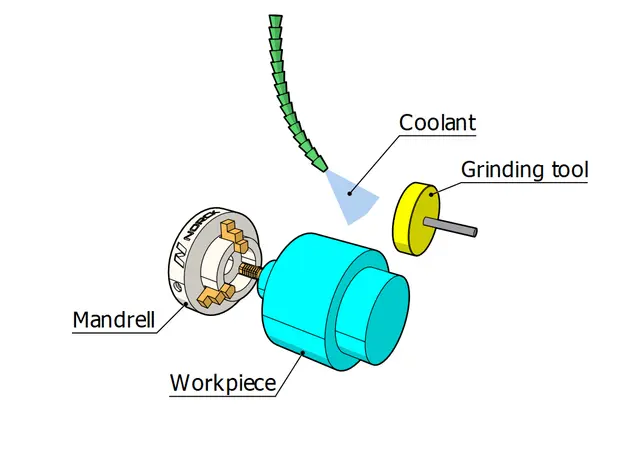
Touch probes and laser tool setters measure parts and tools inside the machine. Probes locate the workpiece, check features between operations and confirm final dimensions before the part is unclamped. This removes manual setup errors and catches problems early. In a Renishaw case study, an Indian machine shop cut part setup from one hour to three minutes. It also reduced tool-offset setting time by 80% and raised machine utilisation by 20% (Renishaw).
Probing also supports traceability. Measurement data can be stored with each part, which helps meet strict aerospace and medical quality standards.
7. Digital Twins and Simulation
A digital twin is a virtual copy of a machine, process or part. Engineers simulate toolpaths, clamping and machine movement before cutting any metal. This prevents collisions, finds the best cutting strategy and shortens trial runs. McKinsey reports that digital twins have cut total development times by 20–50% for some users (McKinsey).
Simulation works best early in the design stage. Norck's engineering support team can review your design for manufacturability before production starts.
8. Custom CNC Machining and Personalisation
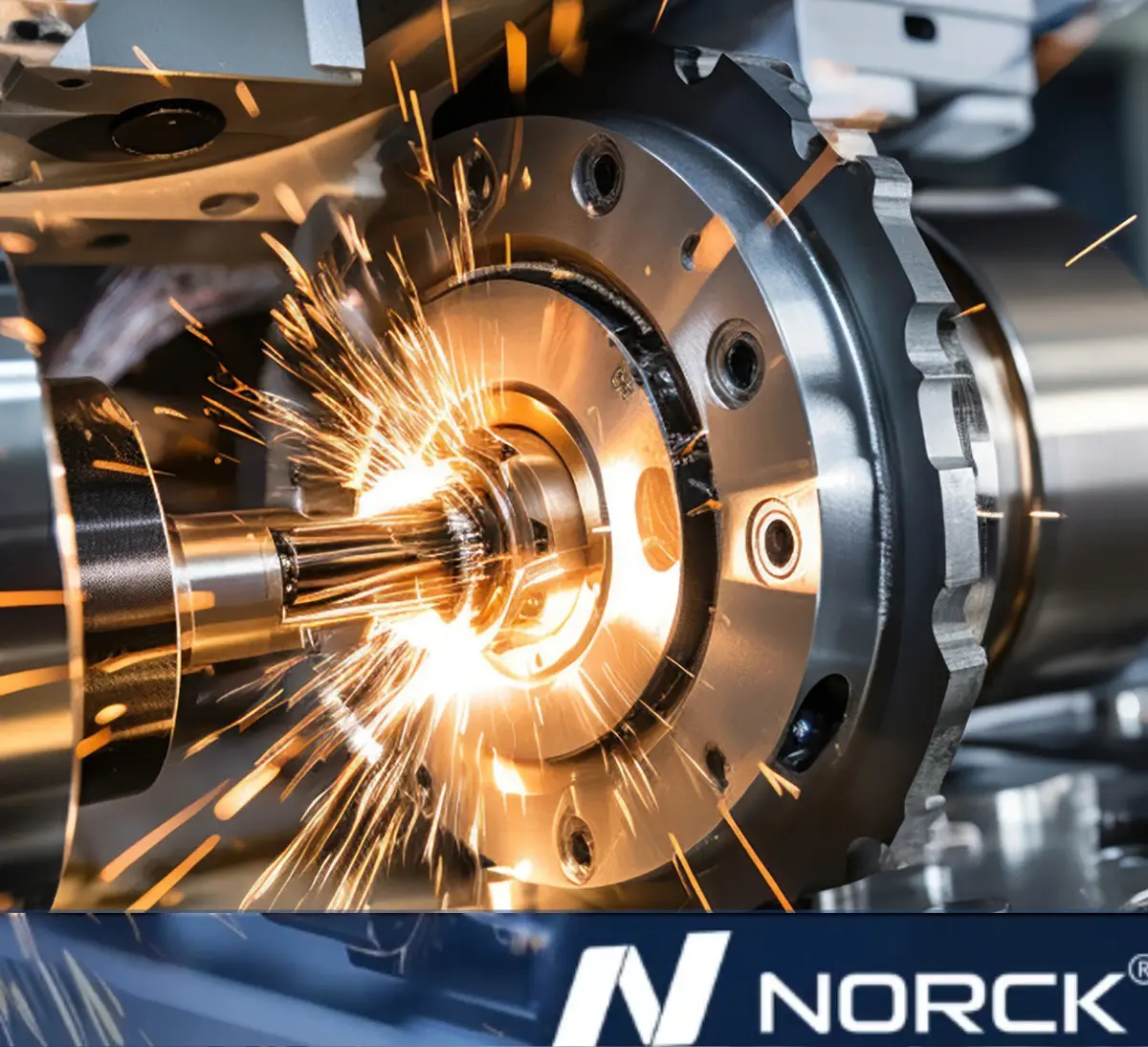
Demand for low-volume, complex and personalised parts keeps growing. Medical technology is a clear example. Many of them need small batches of implants, surgical instruments and device housings.
Online manufacturing platforms make this easier. Engineers upload a CAD file, get a fast quote and receive finished parts with short lead times. Norck supplies custom components to customers across Europe and the US. You can get a quote for your custom CNC parts online.
9. Additive Manufacturing Integration with CNC
Hybrid machines combine 3D printing and CNC machining in one platform. The printer builds near-net shapes with complex internal channels. The CNC spindle then finishes critical surfaces to tight tolerances. This reduces material waste, saves weight and speeds up tooling and prototypes.
Explore Norck's metal 3D printing and rapid prototyping services to test designs before full production.
10. Sustainable and Energy-Efficient Machining
Energy use and carbon footprint now influence buying decisions, especially in Europe. Much of a machine tool's energy goes to auxiliary systems such as pumps, coolant, hydraulics and controls, not to the cut itself. An MIT study found that actual material removal used as little as 14.8% of the total energy on an automated machining line (Gutowski et al., MIT).
Manufacturers are responding with:
- Standby modes that switch off pumps and drives during idle time.
- Regenerative drives that recover braking energy from spindles and axes.
- Minimum quantity lubrication (MQL) and dry machining to cut coolant use.
- Tool recycling: producing tools from recycled carbide emits 40% less CO₂ (Sandvik Coromant via Today's Medical Developments).
- Optimised toolpaths that shorten cycle times and reduce scrap.
Conclusion
AI, robotics, digital twins, smart tooling and hybrid manufacturing are raising the bar for speed, precision and sustainability. Companies that adopt these innovations, or work with suppliers who do, gain shorter lead times, better quality and lower costs. Whether you need prototypes or production runs, Norck's CNC machining services can help. Get a quote today.
Frequently Asked Questions
What are the latest innovations in CNC machining technology?
The main innovations are AI-driven process control, robotic automation, lights-out production, 5-axis machining, smart cutting tools, in-machine probing and digital twins. Hybrid machines that combine 3D printing with CNC are also growing. Together, they improve speed, accuracy and sustainability.
What is the difference between 3-axis and 5-axis CNC machining?
A 3-axis machine moves the tool along X, Y and Z only. A 5-axis machine adds two rotary axes, so it can machine complex shapes in fewer setups. This usually means higher accuracy and shorter lead times for complex parts.
What is lights-out manufacturing in CNC machining?
Lights-out manufacturing means CNC machines run without operators, often overnight or at weekends. Robots, pallet changers and sensors handle loading, tool changes and monitoring. It lowers unit costs and increases machine utilisation.
Which cutting tool material is best for hard metals?
Carbide is the most versatile choice for steels and stainless steels. Ceramic tools suit hardened steels and superalloys at high speeds. PCD is ideal for aluminium and composites, but it is not used for ferrous metals.
How do digital twins improve CNC machining?
Digital twins simulate the machine, toolpath and part before cutting starts. They prevent collisions, optimise cutting strategies and reduce trial runs. According to McKinsey, they can cut development times by 20–50% for some users.
About the author
Rose Bennet is a Content Specialist at Norck. She writes about CNC machining, 3D printing and sheet metal fabrication. Her articles help engineers and procurement teams in Europe and the US understand new manufacturing technologies and choose the right process for their parts.