 English
 Deutsch
 Español
 Français
 Italiano
 Nederlands
 Dansk
 Svenska
 Norsk
 Czech
 Polski
 Português
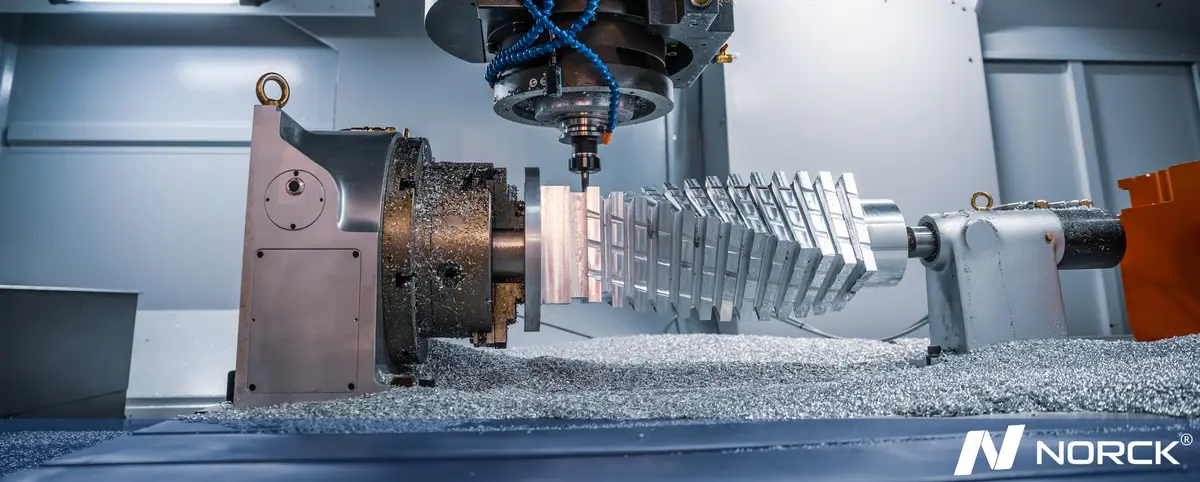
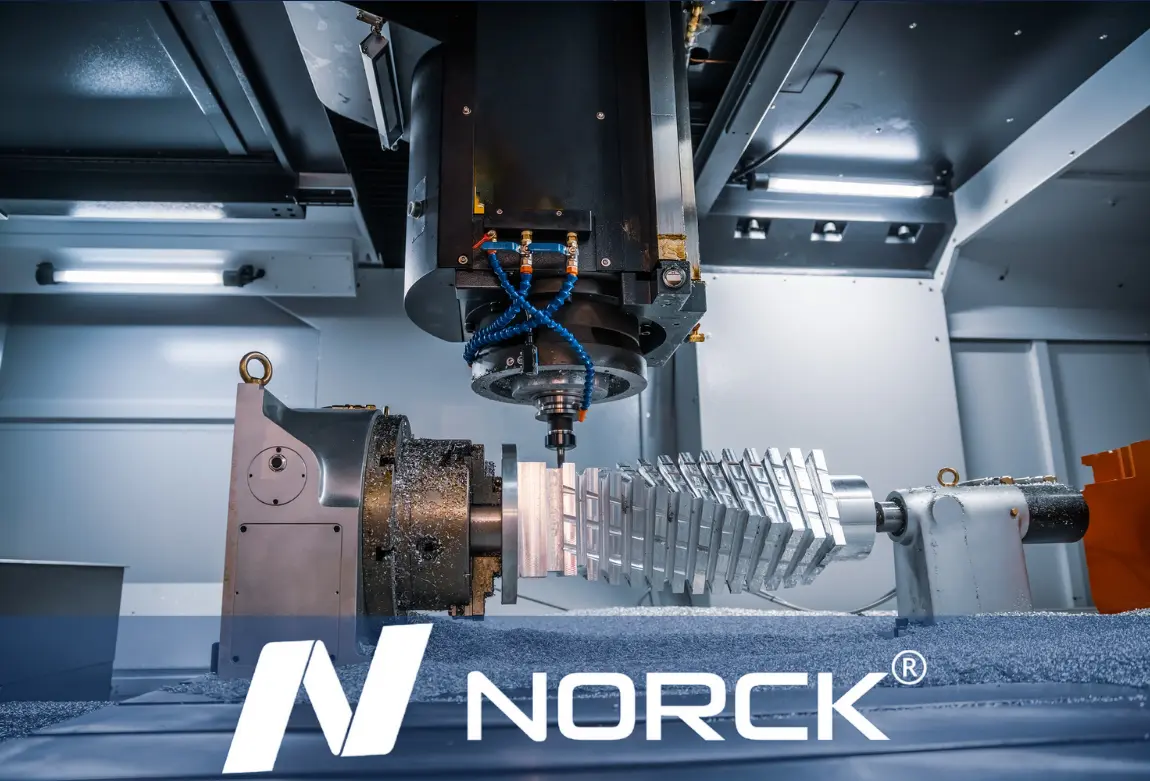
Top 10 CNC Milling Materials for Precision Manufacturing: An Ultimate Guide (2025)
The 10 most common materials used in CNC machining are aluminum, stainless steel, brass, titanium, copper, carbon steel, PEEK, nylon, Delrin (acetal) and magnesium. Aluminum is the best all-round choice. Stainless steel and titanium are the most durable materials for demanding parts. PEEK, nylon and Delrin are the plastics to use when you need light weight, low friction or electrical insulation.
Choosing the right CNC machining materials affects part performance, lifetime and cost. This guide explains each material, compares them side by side and shows which ones work best for precision machined parts. See all options on our materials page. Most custom metal parts are made from aluminum, stainless steel or brass.
Table of Contents
- Aluminum
- Stainless Steel
- Brass
- Titanium
- Copper
- Carbon Steel
- PEEK (Polyether Ether Ketone)
- Nylon
- Delrin (Acetal)
- Magnesium
- Metals Comparison: Quality and Durability
- Plastics Comparison: PEEK vs Nylon vs Delrin
- Most Durable Materials for CNC Machining
- Tools and Materials Needed for a CNC Milling Project
- Best Materials for CNC Milling in Contract Manufacturing
- Materials Used in Precision Machined Parts
- Best Materials for Micro Precision Components
- Conclusion
- Frequently Asked Questions
1. Aluminum – The Most Versatile Choice
Aluminum is light, easy to machine and naturally corrosion-resistant. It is the most widely used CNC milling material, common in aerospace, automotive and electronics. Grade 6061 offers a good balance of strength and machinability. Grade 7075 is much stronger and suits high-load parts. Aluminum 6061-T6 has a tensile strength of 310 MPa and a density of only 2.7 g/cm³ (ASM Aerospace Specification Metals datasheet).
Key facts: Grades: 6061 (EN AW-6061), 7075 (EN AW-7075), 5083 | Machinability: excellent | Best use: housings, brackets, prototypes, aerospace parts | Watch-out: soft surface scratches easily, so anodize parts that need wear resistance.
2. Stainless Steel – High Strength and Corrosion Resistance
Stainless steel combines strength with excellent corrosion resistance. Grades 304 and 316 are standard in medical, food processing and marine parts. It is harder to machine than aluminum, but parts last much longer. Annealed 316L has a tensile strength of 515 MPa (ASM / MatWeb), while 304 reaches 505 MPa (ASM Aerospace Specification Metals datasheet).
Key facts: Grades: 303, 304 (1.4301), 316L (1.4404), 17-4 PH | Machinability: moderate; 303 is easiest | Best use: medical devices, food equipment, marine hardware | Watch-out: work-hardens quickly, so it needs sharp tools and steady feeds.
3. Brass – Excellent Machinability and Conductivity
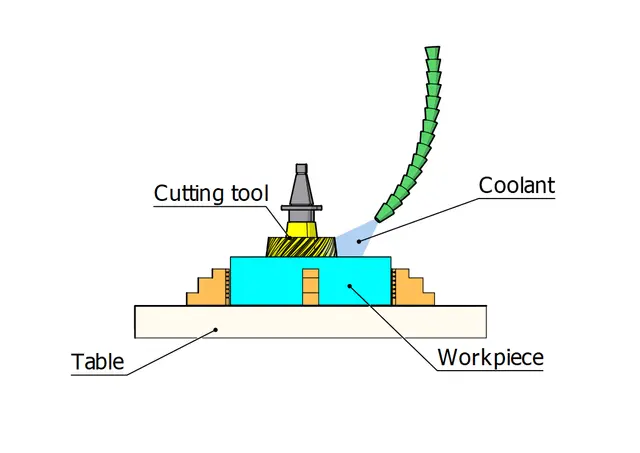
Brass is one of the easiest metals to machine. It conducts electricity and heat well, resists corrosion and has an attractive gold color. Common uses include electrical connectors, plumbing fittings, valves and decorative parts. Brass causes little tool wear, so it is very efficient for production runs. Free-cutting brass C36000 has a tensile strength of 338–469 MPa, depending on temper (Smith Metal datasheet).
Key facts: Grades: C36000 / CW603N (free-cutting brass) | Machinability: excellent, the benchmark for copper alloys | Best use: connectors, fittings, valves, small precision parts | Watch-out: leaded grades may be restricted in drinking water and under some EU RoHS/REACH rules, so check compliance.
4. Titanium – Lightweight and Exceptionally Strong
Titanium offers an outstanding strength-to-weight ratio and excellent corrosion resistance. It is also biocompatible, which makes it ideal for medical implants. Aerospace uses it for airframe and engine parts. Titanium is difficult to machine and needs rigid setups and special tooling. Ti-6Al-4V (Grade 5) has a tensile strength of 950 MPa with a density of only 4.43 g/cm³ (ASM / MatWeb).
Key facts: Grades: Grade 2 (commercially pure), Grade 5 / Ti-6Al-4V (3.7165) | Machinability: difficult | Best use: implants, aerospace parts, high-performance components | Watch-out: low heat conductivity concentrates heat at the cutting edge, so use lower speeds and plenty of coolant.
5. Copper – Outstanding Electrical and Thermal Conductivity
Copper has the highest electrical and thermal conductivity of all common engineering metals. It is used for bus bars, electrical contacts, heat sinks and heat exchangers. Copper is soft and gummy, so tight tolerances need sharp tools and careful fixturing. Copper C11000 reaches 101% IACS electrical conductivity. Its machinability rating is only 20 on the copper-alloy scale, where free-cutting brass is 100 (Copper Development Association).
Key facts: Grades: C11000 / Cu-ETP (CW004A), C10100 (oxygen-free) | Machinability: poor to fair | Best use: bus bars, electrodes, heat sinks, RF parts | Watch-out: forms burrs easily and is costly, so choose brass when full conductivity is not required.
6. Carbon Steel – Strength at a Low Cost
Carbon steel offers good strength and machinability at a low price. It is a standard choice for shafts, gears, fixtures and structural parts. Grade 1018 is easy to machine and weld. Grade 1045 has more carbon, so it is stronger and can be hardened. AISI 1018 has a tensile strength of 440 MPa, while 1045 reaches 565 MPa (AZoM – 1018; AZoM – 1045).
Key facts: Grades: 1018, 1045 (C45 / 1.0503), 4140 alloy steel | Machinability: good | Best use: shafts, gears, jigs, fixtures, machine parts | Watch-out: rusts without protection, so plan for plating, painting or oiling.
7. PEEK (Polyether Ether Ketone) – High-Performance Plastic
PEEK is one of the strongest engineering plastics. It resists high temperatures, chemicals and wear. Aerospace, medical and semiconductor companies use it to replace metal where weight or insulation matters. Unfilled PEEK has a melting point of 343 °C and a tensile strength of 98 MPa (Victrex PEEK 450G datasheet).
Key facts: Grades: unfilled, glass-filled, carbon-filled, medical grade | Machinability: good, but it needs sharp tools | Best use: medical parts, seals, insulators, metal replacement | Watch-out: one of the most expensive plastics; parts may need annealing to relieve internal stress.
8. Nylon – Tough and Wear-Resistant
Nylon is light, tough and wear-resistant. It has low friction and absorbs impact well. This makes it a good choice for gears, bushings, rollers and wear pads. Nylon 6/6 has a tensile strength at yield of 12,000 psi (about 83 MPa) (Protolabs datasheet). However, it can absorb up to 8.5% water at saturation, which changes its dimensions.
Key facts: Grades: PA6, PA6/6, glass-filled PA | Machinability: good | Best use: gears, bushings, rollers, wear strips | Watch-out: absorbs moisture and swells, so avoid it for tight-tolerance parts in humid environments.
9. Delrin (Acetal) – Precision and Dimensional Stability
Delrin is the brand name for acetal homopolymer (POM-H). It is stiff, has low friction and keeps its shape very well. It is one of the easiest plastics to machine to tight tolerances. Typical parts include gears, bearings, bushings and valve components. Delrin 150 absorbs only 0.9% water at saturation and has a dynamic friction coefficient of 0.2 (Plastics International datasheet).
Key facts: Grades: Delrin 150 (POM-H), acetal copolymer (POM-C) | Machinability: excellent | Best use: precision gears, bearings, bushings, fixtures | Watch-out: long-term service is limited to about 85 °C (185 °F), and it is hard to bond with adhesives.
10. Magnesium – The Lightest Structural Metal
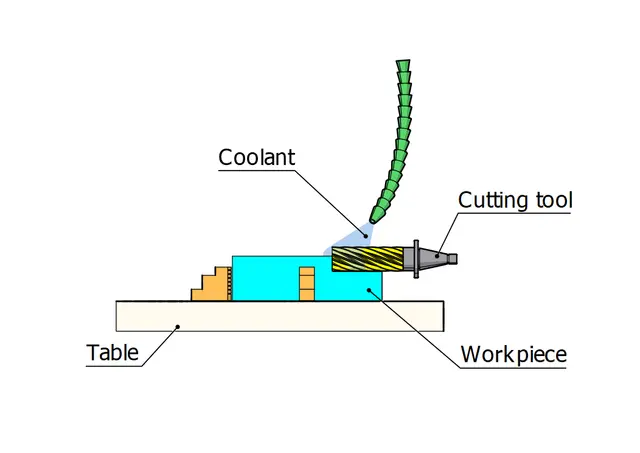
Magnesium is the lightest structural metal. It is about one-third lighter than aluminum and still offers good strength for its weight. Aerospace, automotive and electronics makers use it where every gram counts. AZ31B magnesium has a density of 1.77 g/cm³ and a tensile strength of 290 MPa (TechSteel datasheet).
Key facts: Grades: AZ31B, AZ91D | Machinability: excellent | Best use: lightweight housings, aerospace and automotive parts, electronics enclosures | Watch-out: fine chips and dust are flammable, so machining needs proper chip control and no water-based coolant on fines.
Metals Comparison: Quality and Durability
| Metal | Common grade | Tensile strength | Hardness | Corrosion resistance | Relative cost |
|---|---|---|---|---|---|
| Aluminum | 6061-T6 | 310 MPa | 95 HB | Good | Low |
| Stainless steel | 304 / 316L | 505–515 MPa | 123–149 HB | Excellent | Medium |
| Brass | C36000 | 338–469 MPa | Medium | Good | Medium |
| Titanium | Ti-6Al-4V | 950 MPa | 334 HB | Excellent | High |
| Copper | C11000 | ~220 MPa (hot rolled) | Low | Good | Medium–high |
| Carbon steel | 1018 (cold drawn) / 1045 (hot rolled) | 440–565 MPa | 126–163 HB | Poor (needs coating) | Low |
| Magnesium | AZ31B | 290 MPa | 73 HB | Poor (needs coating) | Medium |
Sources: the datasheets linked in each material section above, plus TechSteel for magnesium hardness. Cost ratings are relative and change with market prices.
Plastics Comparison: PEEK vs Nylon vs Delrin
| Plastic | Heat resistance | Wear resistance | Relative cost |
|---|---|---|---|
| PEEK | Very high: melting point 343 °C | Excellent | High |
| Nylon 6/6 | Medium: melting point 255–260 °C, deflection temperature 90–93 °C | Very good (but absorbs moisture) | Low |
| Delrin (POM-H) | Medium: about 85 °C long-term | Excellent, low friction | Low–medium |
Most Durable Materials for CNC Machining
The most durable materials combine strength, wear resistance and corrosion resistance:
- Titanium (Ti-6Al-4V): highest strength-to-weight ratio, and it resists corrosion and fatigue.
- 316 stainless steel: excellent corrosion resistance in salt water and chemicals.
- Alloy steel (4140): can be heat-treated for high strength and toughness.
- PEEK: the most durable plastic, resisting heat, chemicals and wear.
For parts exposed to abrasion, see our wear-resistant parts.
Tools and Materials Needed for a CNC Milling Project
A successful CNC milling project needs four groups of tools and materials:
- Cutting tools: end mills, face mills, drills and taps, usually made of carbide with TiN, TiAlN or DLC coatings.
- Workholding: machine vises, custom fixtures, clamps and vacuum tables that hold the part rigidly.
- Measuring tools: calipers, micrometers, height gauges, in-machine probes and a CMM for final inspection.
- Raw stock: bar, plate or block in the right grade and size. It should come with material certificates, such as EN 10204 3.1, for traceability.
Learn more about our CNC milling and CNC turning services.
Best Materials for CNC Milling in Contract Manufacturing
In contract manufacturing, the best materials are easy to source, quick to machine and stable in price. Aluminum 6061, stainless steel 304/316L, brass C36000, carbon steel 1045 and Delrin are the most popular choices. They are available in standard sizes across Europe and the US, machine predictably and keep unit costs low. Use them for rapid prototyping and then scale the same material to high-volume production.
Materials Used in Precision Machined Parts
The right material for precision machined parts depends on three groups of requirements:
- Mechanical needs: for strength, stiffness and wear, choose steel, stainless steel or titanium. Choose aluminum when weight matters.
- Thermal needs: for heat transfer, choose copper or aluminum. For high operating temperatures, choose titanium, stainless steel or PEEK. Remember that plastics expand more with heat than metals.
- Electrical needs: for conductivity, choose copper or brass. For insulation, choose PEEK, Delrin or nylon. See our precision plastic parts.
Best Materials for Micro Precision Components
Micro precision components need materials that hold very tight tolerances and give clean, burr-free edges:
- 316 stainless steel: corrosion-resistant and biocompatible for medical micro parts.
- Brass: the easiest metal to machine at small sizes, ideal for connectors and pins.
- Titanium: strong and biocompatible for implants and dental parts.
- PEEK: a stable, insulating plastic for micro medical and electronic parts.
Conclusion – Choosing the Right Material for CNC Milling
The right material depends on strength, weight, corrosion resistance, thermal and electrical needs, and budget. Aluminum is the most versatile choice. Titanium and stainless steel offer the highest durability. PEEK leads among high-performance plastics. If you are unsure, our engineering support team can help you choose the right material for your design. Norck supplies precision CNC parts in a wide range of materials across Europe and the US. Get a quote for your next project.
Frequently Asked Questions
What are the most common materials used in CNC machining?
The most common materials are aluminum, stainless steel, brass, titanium, copper and carbon steel, plus plastics such as PEEK, nylon and Delrin. Aluminum is the most popular because it is light, affordable and easy to machine.
What are the most durable materials for CNC machining?
Titanium, 316 stainless steel and heat-treated alloy steel are the most durable metals. PEEK is the most durable plastic. These materials resist wear, corrosion and high loads over long service lives.
What tools and materials are needed for a CNC milling project?
You need cutting tools (end mills, drills, taps), workholding (vises, fixtures, clamps), measuring tools (calipers, micrometers, probes, CMM) and certified raw stock. The CAD model and CAM program guide the machine.
What are the best materials for CNC milling in contract manufacturing?
Aluminum 6061, stainless steel 304/316L, brass C36000, carbon steel 1045 and Delrin are the best choices. They are easy to source, machine predictably and keep unit costs low from prototype to production.
What are the best materials for micro precision components?
316 stainless steel, brass, titanium and PEEK are the best materials for micro precision parts. They hold tight tolerances, produce clean edges and suit medical, electronic and connector applications.
About the author
Rose Bennet is a Content Specialist at Norck. She writes about CNC machining, 3D printing and sheet metal fabrication. Her articles help engineers and procurement teams in Europe and the US choose the right materials and processes for their parts.
Get a Quote